Buying a luxury car in 2026 is about more than choosing an expensive badge. With vehicle prices rising, hybrid powertrains gaining attention, and luxury SUVs dominating American shoppers’ consideration, finding a vehicle that delivers genuine value has become just as important as finding one that feels special.
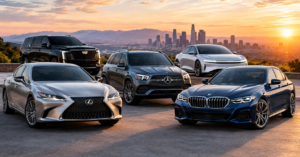
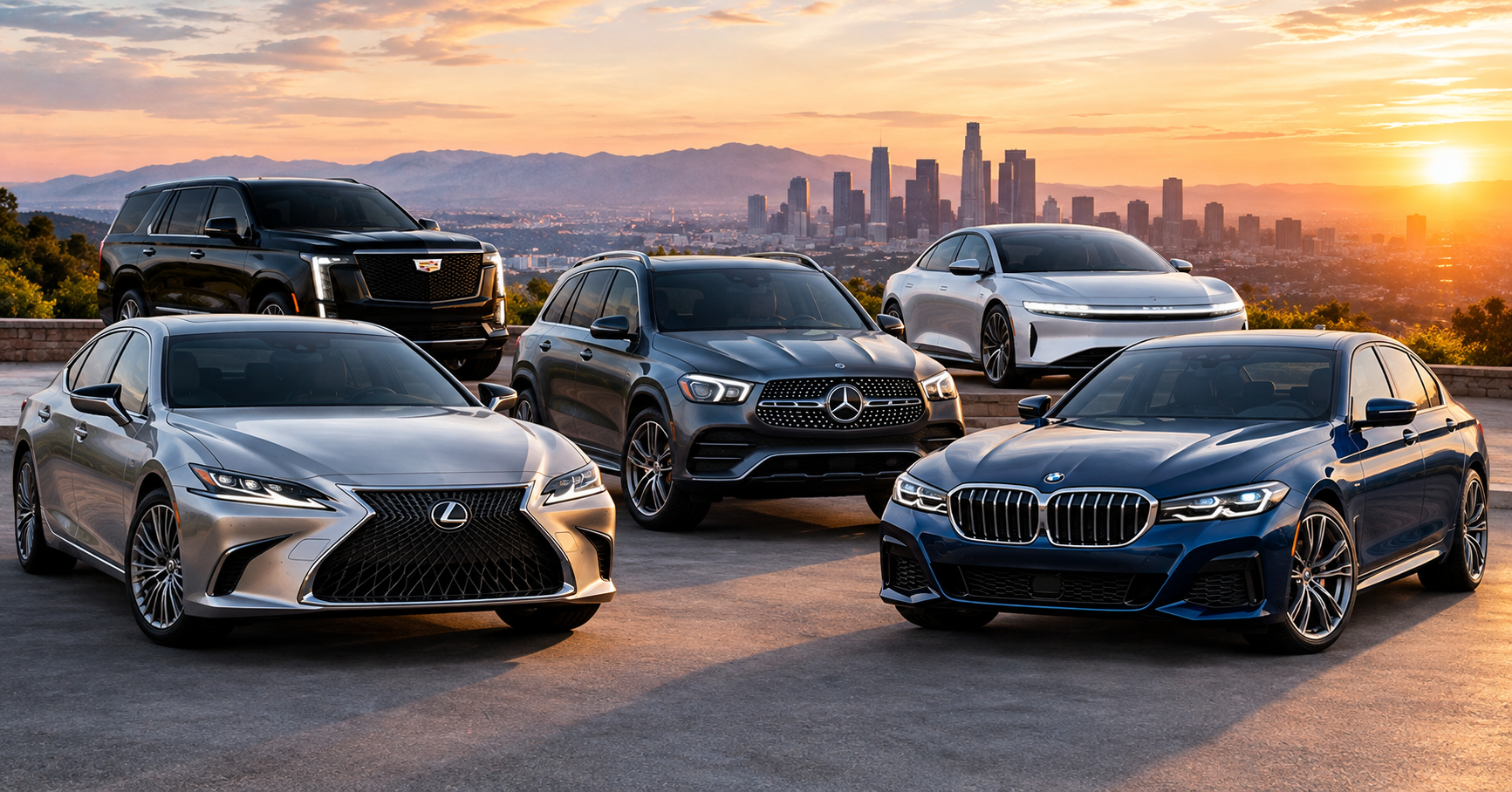
That variety matters because there is no single luxury vehicle that suits every buyer. A driver who wants a comfortable daily commuter may be better served by the Lexus ES, while someone who needs a spacious family vehicle could prefer the Mercedes-Benz GLE or Cadillac Escalade. Drivers seeking an electric luxury experience have compelling alternatives in the Lucid Air, BMW i5, and Cadillac Escalade IQ.
This guide examines 10 luxury vehicles worth considering for the 2026 model year, drawing on automotive research, published editorial rankings, market data, and model-specific strengths and limitations. The goal is not to identify the most expensive cars available. It is to help shoppers understand which luxury vehicles deserve a place on their shortlist and what they should consider before buying.
What Makes the Best Luxury Cars in 2026 Worth Buying?
The American luxury market is changing. According to Cox Automotive’s first-half 2026 Brand Watch research, luxury SUV consideration reached a record 79%, while luxury-car consideration fell to 39%. Nine of the 10 most-considered luxury models were SUVs.
Those figures reveal an important distinction between popularity and suitability. SUVs dominate shopper interest, but a luxury sedan can still be the better purchase for someone who prioritizes a refined commute, a traditional car profile, or an engaging driving experience.
Powertrain choice is another major consideration. Hybrid interest reached a new high in the same research, while consideration of vehicles powered exclusively by electricity softened. That does not make luxury EVs less relevant. Instead, it highlights why buyers should match a vehicle’s powertrain to their driving habits, charging access, and expectations.
The Criteria Behind Our Selections
This list brings together vehicles with different strengths rather than ranking them solely by price or performance. The evaluation framework emphasizes the following factors:
- Comfort and refinement: Cabin quality, ride comfort, quietness, and the overall premium experience.
- Value for the price: Starting price where available, standard features, and the vehicle’s intended market position.
- Powertrain variety: Gasoline, hybrid, plug-in hybrid, and fully electric options where available.
- Practicality: Passenger space, cargo usefulness, everyday maneuverability, and suitability for different lifestyles.
- Driving experience: Handling, acceleration, power delivery, and driver engagement.
- Technology and usability: Infotainment, available driver assistance, and the ease of using the vehicle’s controls.
- Reliability considerations: Available brand-level research and the importance of checking vehicle-specific reliability information before purchasing.
These recommendations synthesize the available research and cited editorial assessments. They do not represent a new independent road test or a claim that every vehicle has been evaluated under identical conditions.
Best Luxury Cars 2026: Quick Picks
Each vehicle below serves a different type of luxury buyer. These categories are editorial recommendations based on the research, not a claim that every model has won a corresponding award.
- Best luxury sedan to consider: Lexus ES
- Best luxury SUV to consider: Mercedes-Benz GLE
- Best sporty luxury sedan: BMW 3 Series
- Best executive sedan and EV alternative: BMW 5 Series / i5
- Best full-size luxury sedan: Genesis G90
- Best compact luxury SUV: Genesis GV70
- Best full-size luxury SUV: Cadillac Escalade / Escalade IQ
- Best luxury EV for road trips: Lucid Air
- Best luxury wagon alternative: Audi A6 Allroad
- Best high-performance luxury sedan: Cadillac CT5-V Blackwing
1. Lexus ES: A Strong All-Around Luxury Sedan
Best for: Buyers seeking comfort, a premium daily driver, and a choice between hybrid and electric power.
The redesigned 2026 Lexus ES is one of the most compelling starting points for shoppers researching the best luxury cars 2026 has to offer. Edmunds selected it as its Best Luxury Car of 2026, recognizing a redesign that expands the model’s powertrain choices and moves it into a new phase of development.
One of the biggest changes is the availability of both hybrid and fully electric versions. The electric model is particularly significant because it marks the first time a Lexus four-door has offered a fully electric powertrain.
According to the supplied research, the base electric version produces 221 horsepower and offers up to 307 miles of range. Its starting price is listed at $48,895, placing it below the average transaction price reported for conventional luxury cars in May 2026.
Why the Lexus ES Deserves Attention
The ES makes sense for buyers who want a premium sedan without automatically stepping into the higher prices associated with many full-size luxury models. The choice of hybrid and electric powertrains also allows shoppers to consider different ownership needs within the same model family.
For someone with a long daily commute, a hybrid may offer a useful middle ground between conventional gasoline power and a fully electric vehicle. Buyers with convenient charging access may find the electric version more appealing, particularly if its published range suits their regular journeys.
However, the redesigned cabin may not please everyone. Edmunds notes that its minimalist, screen-heavy interior could disappoint buyers who prefer traditional controls and a more conventional dashboard layout.
Who Should Buy It?
Consider the Lexus ES if your priorities are everyday comfort, a premium sedan experience, and powertrain flexibility. Before choosing a version, compare the equipment, charging requirements, and pricing of the hybrid and electric models rather than assuming that one configuration will suit every buyer.
2. Mercedes-Benz GLE: A Versatile Luxury SUV
Best for: Buyers who want an upscale SUV with a broad range of powertrain choices.
The Mercedes-Benz GLE earns its place on this list because it combines the body style most American luxury shoppers are considering with a wide selection of powertrains. Edmunds named it Best Luxury SUV of 2026, making it a strong candidate for shoppers who want one vehicle to handle commuting, family duties, and longer journeys.
The GLE’s appeal comes partly from its range. The research describes options extending from four-cylinder engines to AMG V8 power and plug-in hybrid configurations. That spread gives buyers different ways to approach luxury ownership, from conventional everyday use to more performance-focused driving.
Why the GLE Stands Out
Its position in the market is especially relevant in 2026. With luxury SUV consideration reaching 79% in Cox Automotive’s first-half research, shoppers are increasingly focused on vehicles that combine premium interiors with a more practical body style.
The GLE provides a choice of powertrain philosophies within one model line. Buyers who prefer conventional operation can consider a gasoline version, while those interested in electrification can examine the plug-in hybrid offering.
The starting price supplied for the 2026 GLE is $63,500. That figure offers a useful point of reference, although the final cost depends on the selected configuration and equipment.
What Should Buyers Consider?
Timing is an important caveat. The supplied research indicates that a refreshed GLE is expected for the 2027 model year. Buyers who need a vehicle now may still find the 2026 model attractive, but shoppers who are not in a hurry may want to compare the current model with the expected update before committing.
It is also worth comparing the specific powertrain and equipment packages rather than choosing solely by the Mercedes-Benz badge. A luxury SUV can offer an impressive specification while still costing more than a buyer originally intended.
Who Should Buy It?
The GLE is worth considering for drivers who want a versatile premium SUV and value the ability to choose among different powertrain configurations. It is particularly relevant to buyers who prioritize an SUV over a traditional luxury sedan.
3. BMW 3 Series: A Driver-Focused Luxury Sedan
Best for: Drivers who want sporty handling and a premium everyday car.
The BMW 3 Series remains a key contender for buyers who believe luxury should involve more than a comfortable cabin and an impressive badge. Its appeal is closely connected to the driving experience, including its engines, handling, interior, and usable technology.
Car and Driver highlights those strengths in its 2026 luxury-car selections. Cox Automotive’s first-half 2026 research also places the 3 Series in a distinctive position: it was the only car in the overall top 10 most-considered luxury models.
That distinction matters in a market where SUVs dominate shopper consideration. The 3 Series demonstrates that a well-established luxury sedan can remain relevant even as consumer interest shifts toward taller vehicles.
What Makes the 3 Series Appealing?
For a driver who spends much of the week commuting but still enjoys an engaging drive, the 3 Series offers a different proposition from a larger luxury SUV. Its sedan format and driving-focused character make it a natural option for shoppers who do not need the additional space of a full-size vehicle.
The model also gives buyers a way to enter the premium German sedan market without moving directly to a larger executive car. That can be useful for people who prioritize driving character and everyday usability over maximum passenger space.
Potential Drawbacks
Car and Driver identifies limitations involving steering feedback and manual-transmission availability. Options can also increase the purchase price, making configuration an important part of the buying process.
Shoppers should examine the actual equipment included in the vehicle they intend to buy. A model’s advertised starting price may not reflect the cost of the features they consider essential.
Who Should Buy It?
The BMW 3 Series is a strong candidate for drivers who want a compact luxury sedan with an emphasis on handling and engine performance. It is less compelling for someone whose first priorities are maximum cargo capacity or the elevated seating position of an SUV.
4. BMW 5 Series and i5: Executive Luxury With an EV Option
Best for: Buyers looking for a larger executive sedan, with the option of electric power.
The BMW 5 Series and electric BMW i5 offer a useful comparison for shoppers deciding how they want their next luxury vehicle to be powered. The 5 Series maintains the traditional executive-sedan proposition, while the i5 brings electric acceleration into a similar luxury-car context.
The 5 Series remains a frequently considered model in the supplied Cox Automotive research. Car and Driver also recognizes the appeal of the i5, particularly for buyers who want electric performance alongside BMW’s driving character.
Why Consider the 5 Series or i5?
The central question is whether you prefer conventional power or a fully electric driving experience. Buyers interested in the i5 should assess their charging arrangements and typical mileage, while those considering a conventional 5 Series should compare the available configuration with their driving needs.
For drivers moving up from a compact luxury sedan, the 5 Series family offers a different executive-car proposition. It may be a better fit for someone who wants a more substantial sedan rather than a compact model or an SUV.
Important Limitations
Car and Driver notes that the i5’s electric components reduce trunk space. It also describes the infotainment system as potentially complex.
These considerations are particularly important for buyers who frequently travel with luggage or prefer straightforward controls. Before purchasing, inspect the cargo area and spend time using the infotainment system to determine whether its layout works for you.
Who Should Buy It?
Choose the 5 Series if you want a traditional executive luxury sedan, or investigate the i5 if electric power is a priority and its packaging meets your needs. Comparing the two directly can help clarify whether electrification is worth the trade-offs for your daily routine.
5. Genesis G90: A Full-Size Sedan Focused on Comfort
Best for: Buyers who prioritize a quiet cabin, upscale materials, and a refined full-size sedan.
The Genesis G90 deserves attention from shoppers who want traditional full-size luxury without limiting their search to established German brands. MotorTrend ranks it No. 1 among luxury full-size sedans in the supplied research, while Car and Driver highlights its quiet ride, cabin quality, and relative value.
Those strengths make the G90 a useful alternative for drivers who want a premium vehicle centered on comfort rather than a compact sedan’s more driver-focused character.
Where the G90 Makes Sense
Cabin refinement is central to the G90’s appeal. For people who spend significant time driving between appointments, commuting, or traveling on highways, a quiet and comfortable interior can be more valuable than a long list of performance features.
Its relative value is another reason to include it among the best luxury cars 2026 buyers should investigate. A luxury purchase should be judged by what the vehicle delivers, not simply by how much it costs or how recognizable its badge is.
The G90 gives shoppers a reason to compare Genesis with competing full-size sedans before making a decision. Its position in MotorTrend’s ranking offers additional editorial support for including it in a serious luxury-car shortlist.
What Are the Drawbacks?
The supplied Car and Driver assessment identifies a small trunk and less brand recognition than German rivals as limitations.
The cargo issue matters for buyers who frequently travel with several large bags. Brand perception is more personal, but shoppers who place considerable importance on traditional prestige may also want to compare the G90 with alternatives from Mercedes-Benz and BMW.
Who Should Buy It?
The Genesis G90 is worth considering if your priorities are a refined cabin, quietness, and full-size sedan comfort. Check cargo capacity in person and compare the equipment and pricing of competing models before choosing.
6. Genesis GV70: A Compelling Compact Luxury SUV
Best for: Buyers who want premium SUV practicality without moving to a full-size vehicle.
The Genesis GV70 occupies an important middle ground in the luxury market. It offers the elevated body style that many shoppers prefer while remaining in the compact luxury SUV category rather than moving to a much larger vehicle.
MotorTrend ranks the GV70 No. 1 among luxury compact SUVs in the supplied research. Its listed starting-price range is $50,480 to $72,590, illustrating how configuration can affect the cost of a single model line.
Why the GV70 Deserves a Place on Your List
Compact luxury SUVs appeal to buyers who want a combination of passenger practicality, a premium cabin, and manageable overall dimensions. Compared with a full-size luxury SUV, a compact model may be a more appropriate choice for someone who does not need the additional space.
The GV70 also provides an alternative to shoppers who might otherwise concentrate exclusively on German luxury brands. MotorTrend’s ranking makes it a model worth evaluating alongside competing premium compact SUVs.
For many buyers, this category represents a practical compromise. It can provide a luxury experience without requiring the physical footprint or purchase budget associated with some larger vehicles.
What Should Buyers Watch For?
Car and Driver notes that Sport versions can deliver a less polished ride. This is a reminder that a model’s sportier trim is not automatically the best choice for every owner.
If comfort is a priority, drive the specific version you intend to buy on the roads you use most often. A test drive can help establish whether the suspension and seating suit your preferences.
Who Should Buy It?
Consider the GV70 if you want a compact premium SUV and value a combination of everyday practicality and luxury appointments. Compare trim levels carefully, especially if the difference in price between versions is substantial.
7. Cadillac Escalade and Escalade IQ: Two Approaches to Full-Size Luxury
Best for: Buyers who need a large luxury SUV and want to compare gasoline and electric power.
The Cadillac Escalade is one of the most prominent names in the American luxury SUV market. Cox Automotive’s first-half 2026 Brand Watch research reports that it reclaimed the No. 1 position among considered luxury SUVs.
For buyers who want a large vehicle with a strong luxury presence, the Escalade deserves serious consideration. It also highlights the difference between choosing a luxury vehicle based on status alone and evaluating whether its size, operating costs, and powertrain suit everyday life.
Escalade Versus Escalade IQ
The gasoline-powered Escalade and all-electric Escalade IQ serve buyers with different priorities. The conventional model may appeal to shoppers who prefer a familiar gasoline-powered full-size SUV, while the Escalade IQ is aimed at buyers interested in an electric alternative in the same broad luxury category.
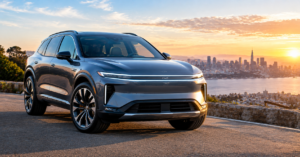
The electric model has received notable editorial recognition. According to the supplied research, Cars.com selected the Escalade IQ as its Best Luxury Car of 2026, and MotorTrend recognized it with SUV of the Year honors.
These distinctions make the Escalade IQ particularly relevant to shoppers researching the evolving luxury EV market. They do not mean that an electric SUV is automatically the best choice for every household.
Price, Size, and Running Costs
The supplied research lists a starting price of $93,995 for the Escalade. That puts it well above the starting prices listed for the Lexus ES and Genesis GV70.
Size is another consideration. A full-size SUV may suit buyers who need a substantial vehicle, but its dimensions can be inconvenient for people who regularly navigate tight parking spaces or narrow urban streets.
MotorTrend identifies relatively poor fuel economy as a drawback of the gasoline Escalade, listing figures as low as 15 mpg city and 19 mpg highway. Buyers should factor fuel consumption into their budget rather than considering the purchase price alone.
Who Should Buy It?
The Escalade is worth considering if you specifically need or want a full-size luxury SUV. The Escalade IQ deserves attention if electric power fits your lifestyle and charging arrangements. Compare their prices, operating requirements, space, and powertrain characteristics before making a decision.
8. Lucid Air: A Luxury EV for Long-Distance Driving
Best for: Drivers who want a premium electric sedan with a strong focus on range and acceleration.
The Lucid Air offers a different interpretation of luxury from the large gasoline-powered SUVs that dominate American shopper consideration. It is a fully electric sedan built around electric performance, refined design, and long-distance usability.
Car and Driver describes the Lucid Air as a leading choice for luxurious EV road-tripping, citing its range, quick acceleration, and refined styling. Those qualities make it a relevant alternative for buyers who want an electric luxury vehicle without moving into an SUV.
Why the Lucid Air Stands Out
Range is a central consideration when shopping for an electric vehicle. A model with strong range credentials can be attractive to drivers who regularly travel longer distances, although the practical suitability of any EV depends on the routes involved and the availability of charging.
The Lucid Air’s acceleration and design add to its appeal. Buyers who want the quiet, electric driving experience of a premium sedan may find it more compelling than a conventional luxury vehicle.
It also provides a useful comparison with the BMW i5 and electric Lexus ES. Each represents a different approach to electric luxury, so shoppers should compare their requirements rather than assuming all premium EVs offer the same ownership experience.
What Are the Drawbacks?
Car and Driver identifies a screen-heavy cabin, highway tire noise, and expensive upper trims as potential disadvantages.
Those points deserve attention because a luxury car should be comfortable to use as well as impressive on paper. Spend time evaluating the interior controls, listen for road noise during a test drive, and compare the price of the exact configuration you want.
Who Should Buy It?
The Lucid Air is worth considering if you want an electric luxury sedan with a focus on range, acceleration, and refined design. Confirm that charging access and real-world range expectations match your driving habits before buying.
9. Audi A6 Allroad: A Luxury Wagon Alternative
Best for: Buyers who want a premium vehicle with useful space and all-weather capability without choosing a conventional SUV.
Not every luxury buyer wants a sedan or a traditional SUV. The Audi A6 Allroad offers a distinctive alternative, combining the wagon format with comfort, useful space, and all-weather ability.
Car and Driver includes the A6 Allroad among its 2026 luxury-car selections. Its appeal lies in offering a different balance of practicality and premium character for shoppers who want something beyond the most common luxury body styles.
Why Choose a Luxury Wagon?
A wagon can make sense for drivers who need cargo flexibility but do not necessarily want the proportions of a large SUV. For those buyers, the A6 Allroad deserves comparison with both luxury wagons and premium SUVs.
Its all-weather capability is another reason to consider it. Drivers who encounter changing road conditions may value this characteristic, although they should verify the equipment and capabilities of the specific vehicle they plan to purchase.
The model also expands the range of choices available to buyers researching the best luxury cars 2026 has to offer. A market dominated by SUV interest does not mean every buyer should choose an SUV.
What Should Buyers Know?
Car and Driver notes that the two-screen interface requires adjustment and that the transmission can feel clumsy.
These observations make a proper test drive particularly important. Try the infotainment system, assess the controls, and pay attention to the transmission’s behavior during everyday acceleration and low-speed driving.
Who Should Buy It?
The Audi A6 Allroad is a worthwhile option for buyers who value cargo usefulness, comfort, and a less conventional luxury-car format. Compare its space and everyday usability with those of the SUVs you are considering before deciding which body style works best.
10. Cadillac CT5-V Blackwing: A High-Performance Luxury Sedan
Best for: Enthusiasts who want serious performance and a manual transmission in a luxury sedan.
Some luxury buyers prioritize comfort above all else. Others want a vehicle that makes every drive more engaging. The Cadillac CT5-V Blackwing caters to the second group, combining a supercharged V8 with track capability and a standard six-speed manual transmission.
Car and Driver includes the Blackwing among its 2026 luxury-car selections. Its manual transmission is particularly noteworthy in a market where buyers increasingly encounter vehicles focused on automatic operation and extensive electronic controls.
What Makes the Blackwing Different?
The combination of a supercharged V8 and a manual transmission gives the CT5-V Blackwing a distinctive performance identity. It is aimed at drivers who value direct involvement in the driving experience rather than treating a luxury car primarily as transportation.
Its track capability also separates it from more comfort-oriented models on this list. While a Lexus ES or Genesis G90 may be a better match for a buyer seeking a calm daily commute, the Blackwing is intended for a more performance-focused audience.
What Are the Trade-Offs?
Car and Driver notes that the interior does not feel as upscale as those of some rivals and raises questions about the model’s future.
These limitations matter because a high-performance luxury sedan still needs to satisfy its owner away from a track. Buyers should evaluate cabin materials, everyday comfort, and practicality alongside engine performance.
Who Should Buy It?
The CT5-V Blackwing belongs on the shortlist for enthusiasts who want a powerful luxury sedan with a manual transmission and track-focused capability. It is less suitable for someone whose main priorities are maximum interior opulence, fuel economy, or a relaxed driving experience.
How Much Do the Best Luxury Cars in 2026 Cost?
Price is an essential part of choosing a luxury vehicle, especially as new-car costs continue to rise. Cox Automotive reported an average U.S. new-vehicle transaction price of $49,220 in May 2026. The supplied research also puts the average transaction price for conventional luxury cars at $60,774 and for high-end luxury cars at $127,436 that month.
Those averages illustrate the wide range of spending involved in luxury ownership. A premium sedan near the entry level of the segment and a high-end full-size luxury SUV may both qualify as luxury vehicles, but their purchase prices and operating requirements can be very different.
Published Starting Prices in This Guide
- Lexus ES: $48,895.
- Mercedes-Benz GLE: $63,500.
- Genesis GV70: $50,480 to $72,590, depending on the version represented in the research.
- Cadillac Escalade: $93,995.
These figures are the starting prices supplied in the research, not guaranteed dealer offers or final transaction prices. Prices and equipment can vary by trim, options, destination charges, taxes, fees, and location. Confirm current pricing with the manufacturer or a dealer before purchasing.
Look Beyond the Sticker Price
A realistic luxury-car budget should include more than the advertised starting price. Buyers should consider insurance, fuel or electricity, maintenance, tires, financing, and the vehicle’s expected depreciation.
For an EV, charging access is another practical consideration. Home charging may require installation work, while drivers who rely on public charging should evaluate whether available stations suit their regular routes.
For a gasoline-powered SUV such as the Escalade, fuel consumption can make a meaningful difference to long-term ownership costs. A lower-priced vehicle is not necessarily cheaper to own in every situation, but buyers should calculate the costs rather than assuming that premium features automatically justify a higher price.
Luxury SUV vs. Luxury Sedan: Which Is the Better Buy?
For many American shoppers, the answer begins with how they intend to use the vehicle. Cox Automotive’s H1 2026 research found that 79% of surveyed luxury shoppers considered SUVs, compared with 39% who considered luxury cars. That difference reinforces the popularity of SUVs, but it does not settle the question for an individual buyer.
Choose a Luxury SUV if You Need Versatility
A model such as the Mercedes-Benz GLE, Genesis GV70, or Cadillac Escalade may make more sense if you prefer an SUV’s seating position, body style, or available space.
However, SUVs vary substantially in size. A compact luxury SUV and a full-size model have different parking, space, and operating considerations. Choose the size that fits your daily routine instead of automatically assuming that a larger vehicle is better.
Choose a Luxury Sedan if Driving Comfort Is Your Priority
The Lexus ES, BMW 3 Series, BMW 5 Series, Genesis G90, and Lucid Air serve buyers who prefer a car rather than an SUV. Their individual strengths vary, from comfort and refinement to driving engagement and electric performance.
For someone who rarely needs additional cargo space, a sedan may be a more suitable choice than a large SUV. The BMW 3 Series is particularly relevant to shoppers who value handling, while the Lexus ES and Genesis G90 deserve attention from those who prioritize comfort.
Consider an EV or Hybrid Based on Your Routine
The best powertrain depends on how you drive. Hybrid vehicles may appeal to shoppers who want electrification without relying exclusively on charging, while fully electric vehicles can suit drivers with convenient charging and compatible daily travel patterns.
The Lexus ES offers a choice between hybrid and electric powertrains, while the BMW i5, Lucid Air, and Cadillac Escalade IQ represent different approaches to fully electric luxury.
Rather than choosing a powertrain based on trends alone, consider your typical daily mileage, long-distance travel, charging access, and budget.
Which Luxury Car Brands Are Worth Considering for Reliability?
Reliability should be part of every luxury-car buying decision. Expensive materials and advanced technology can improve the ownership experience, but they do not eliminate the importance of dependable operation and manageable maintenance.
Cox Automotive’s first-half 2026 Brand Watch research identifies durability and reliability as the leading purchase factor, cited by 79% of respondents. Safety followed at 72%, and driving comfort at 69%.
The same research ranked Lexus No. 1 for durability and reliability, reputation, and technology. That makes Lexus an important brand to investigate for buyers who place substantial weight on these considerations.
However, a brand-level result should not be interpreted as a guarantee that every model or model year will perform identically. Individual vehicles can differ in reliability history, equipment, maintenance requirements, and ownership costs.
How to Evaluate Reliability Before Buying
- Review reliability information specific to the model and model year.
- Check for applicable recalls and confirm whether required work has been completed.
- Compare warranty coverage and scheduled maintenance requirements.
- Request a vehicle history report when shopping for a used vehicle.
- Arrange an independent inspection for a used or certified pre-owned vehicle.
- Research the cost and availability of replacement parts and service in your area.
These steps help turn general brand reputation into a more informed decision about a specific vehicle.
Should You Buy a New or Certified Pre-Owned Luxury Car?
A new luxury vehicle offers the opportunity to select a preferred configuration and begin ownership without a previous owner’s usage history. Depending on the model and terms, it may also provide new-vehicle warranty coverage.
A certified pre-owned vehicle can offer another route into the luxury market. It may allow shoppers to consider a higher-level model or more equipment for a given budget, but the actual value depends on the vehicle’s price, age, mileage, condition, and certification terms.
When a New Vehicle Makes Sense
Buying new may be preferable if you want a specific powertrain, the latest available version, or the reassurance of a new-vehicle warranty. It is also worth considering when a model has recently undergone a major redesign, as with the 2026 Lexus ES.
When Certified Pre-Owned May Be Attractive
Certified pre-owned vehicles may appeal to shoppers who want to manage the purchase price while still buying through a manufacturer’s or dealer’s certification program. Buyers should carefully review what the certification includes rather than assuming that all programs offer identical inspections or coverage.
Regardless of which route you choose, compare the full ownership costs. Financing, insurance, maintenance, and depreciation can affect the overall value of a luxury vehicle as much as its original sticker price.
Final Verdict: Which of the Best Luxury Cars 2026 Should You Buy?
The right luxury car depends on which benefits matter most to you. The strongest choice is not necessarily the most expensive model, the most powerful vehicle, or the one attracting the most attention from other shoppers.
For buyers seeking a versatile sedan with hybrid and electric options, the redesigned Lexus ES is a strong starting point. Its Edmunds recognition and the addition of an electric powertrain make it one of the most notable developments in the 2026 luxury-car market.
Drivers who prefer an SUV should compare the Mercedes-Benz GLE and Genesis GV70, while shoppers who need a full-size vehicle may find the Cadillac Escalade more appropriate. The Escalade IQ is worth considering for those who want to explore an electric alternative in the same broad category.
For driving enthusiasts, the BMW 3 Series and Cadillac CT5-V Blackwing offer distinctly different interpretations of sporty luxury. The BMW 5 Series and i5 provide a choice between conventional executive-car ownership and electric power, while the Genesis G90 emphasizes full-size sedan comfort.
Electric-car shoppers should compare the Lucid Air with the i5, Lexus ES EV, and Escalade IQ based on body style, range requirements, cabin preferences, and charging access. Meanwhile, the Audi A6 Allroad deserves a look from buyers who want a practical luxury wagon instead of a conventional SUV.
Ultimately, the best luxury cars 2026 has to offer are the vehicles that deliver the right balance of comfort, technology, performance, practicality, and cost for the person buying them. Use this list to narrow your choices, compare the exact configurations you can afford, and take your finalists on a thorough test drive before signing a purchase agreement.
Frequently Asked Questions About the Best Luxury Cars 2026
What Is the Best Luxury Car to Buy in 2026?
The Lexus ES is a strong candidate for buyers seeking a luxury sedan, and Edmunds named the redesigned 2026 model its Best Luxury Car of 2026. Cars.com selected the Cadillac Escalade IQ for its Best Luxury Car of 2026 award. The right choice depends on whether you want a sedan, SUV, EV, or performance-focused vehicle.
Are Luxury SUVs Better Than Luxury Sedans in 2026?
Cox Automotive reported 79% consideration for luxury SUVs and 39% for luxury cars in H1 2026. SUVs attract more shopper consideration, but a sedan may be a better fit for buyers who prioritize driving character, comfort, or a traditional car format.
What Is the Best Luxury EV in 2026?
The Lucid Air is a strong candidate for shoppers who prioritize electric-sedan range and acceleration. The Cadillac Escalade IQ offers a full-size electric SUV alternative, while the electric Lexus ES provides another option for buyers seeking a luxury sedan. The best choice depends on budget, charging access, range needs, and preferred body style.
Which Luxury Car Brand Is Most Reliable?
In the supplied Cox Automotive H1 2026 Brand Watch research, Lexus ranked No. 1 for durability and reliability, reputation, and technology. Buyers should also research reliability information for the specific model and model year they intend to purchase.
How Much Does a Luxury Car Cost in 2026?
Prices vary considerably by vehicle and configuration. The supplied research lists the Lexus ES at a starting price of $48,895, the Mercedes-Benz GLE at $63,500, and the Cadillac Escalade at $93,995. Cox Automotive reported average May 2026 transaction prices of $60,774 for conventional luxury cars and $127,436 for high-end luxury cars.
Are Hybrid Luxury Cars Worth Buying in 2026?
Hybrids deserve consideration because Cox Automotive’s H1 2026 research found that hybrid consideration reached a new high. A hybrid may suit drivers who want an electrified powertrain without relying exclusively on charging. The right choice depends on the model, purchase price, driving habits, and total ownership costs.
What Is the Best Luxury SUV for 2026?
Edmunds named the Mercedes-Benz GLE its Best Luxury SUV of 2026. The Genesis GV70 is another strong candidate in the compact luxury SUV category, while the Cadillac Escalade and electric Escalade IQ serve shoppers looking for full-size luxury SUVs.
Is a Luxury Car Worth the Extra Cost?
A luxury car may be worth the additional cost if its comfort, materials, technology, driving experience, or features provide meaningful benefits to the owner. Buyers should also compare insurance, maintenance, fuel or electricity, financing, and depreciation to determine whether the premium fits their budget.
Should I Buy a 2026 Luxury Car Now or Wait for the Next Model Year?
The answer depends on the model and your timing. The supplied research indicates that a refreshed Mercedes-Benz GLE is expected for 2027, so shoppers who do not need a vehicle immediately may want to compare the upcoming version with the 2026 model. Buyers considering other vehicles should check current manufacturer announcements, availability, pricing, and incentives before deciding.