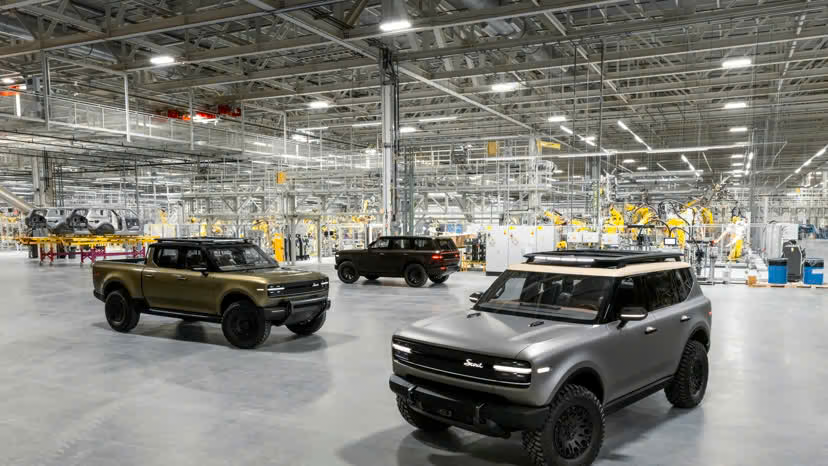
Scout Motors is moving closer to bringing its highly anticipated electric vehicles to American roads. The Volkswagen-backed automaker has started building its first validation vehicles at its new manufacturing facility in Blythewood, South Carolina, while reporting approximately 212,000 reservations for its upcoming Traveler SUV and Terra pickup truck.
The latest development represents a major milestone for the revived American automotive brand. After years of development, factory construction, and growing customer interest, Scout is now entering an important stage of preparing its production operations. The company expects initial production to begin in 2027, with customer deliveries scheduled to start in 2028.
However, the company’s biggest challenge may not be attracting potential buyers. Instead, Scout must convert its growing reservation list into confirmed orders and establish a manufacturing operation capable of delivering vehicles at competitive prices and production volumes.
Scout Motors Begins Building Its First Vehicles
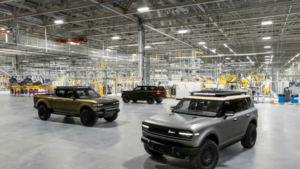
Scout Motors has officially moved beyond the early construction phase of its manufacturing project. Its Blythewood facility has started producing validation builds of the Traveler SUV and Terra pickup, allowing engineers and factory workers to evaluate manufacturing equipment and production procedures.
These early vehicles are not intended for customer delivery. Instead, they help identify potential problems with assembly equipment, manufacturing processes, vehicle components, and quality-control systems before full-scale production begins.
According to Scout CEO Scott Keogh, the South Carolina facility is approximately 85% complete. Stamping, welding, and painting operations are already underway, while construction crews continue installing supporting infrastructure and completing other sections of the manufacturing complex.
The validation process is expected to continue into 2027 as Scout prepares for pre-production vehicles and eventually customer-ready models.
Starting this phase is particularly important for a new automaker because manufacturing problems discovered during early testing can be addressed before they affect large numbers of vehicles. It also gives the company an opportunity to improve production efficiency and establish consistent quality standards.
212,000 Scout Reservations Highlight Strong Customer Interest
One of the most significant announcements surrounding Scout Motors is its growing reservation total. The company now has approximately 212,000 reservations for its upcoming electric SUV and pickup truck, indicating considerable interest in the brand’s return to the American automotive market.
The latest figure represents substantial growth compared with previous announcements. Scout reported approximately 50,000 reservations in January 2025, while the total had increased to around 160,000 by March 2026.
CEO Scott Keogh believes the number could exceed 400,000 before customer production begins. Nevertheless, the company understands that reservation numbers alone do not guarantee commercial success.
Scout must convince reservation holders to complete their purchases once vehicles become available. This distinction is particularly important because reservations currently require a refundable $100 deposit, meaning customers can change their minds without committing to a final purchase.
The company’s immediate objective is to build a substantial order backlog before production starts. Keogh has indicated that securing approximately 12 to 18 months of confirmed orders would provide a strong foundation for the brand’s initial manufacturing operations.
Scout Traveler SUV Leads the Reservation Numbers
Although Scout is preparing to introduce both an SUV and a pickup truck, customer interest is currently concentrated around the Traveler.
Approximately 75% of existing reservations are reportedly for the Scout Traveler SUV, while the remaining reservations are primarily associated with the Terra pickup.
The Traveler is designed to appeal to buyers looking for a rugged utility vehicle that combines traditional off-road styling with modern electric powertrain technology.
Its return also reflects the continuing popularity of adventure-oriented SUVs in the United States. Buyers increasingly want vehicles that can handle everyday transportation while offering the capability and versatility needed for outdoor activities and longer road trips.
The Terra, meanwhile, targets customers interested in an electrified pickup with practical utility and off-road capabilities. Its positioning places Scout in a competitive segment that includes established pickup manufacturers and newer electric vehicle companies.
Both vehicles are expected to play important roles in establishing Scout Motors as a serious competitor in the American SUV and truck markets.
Scout Harvester Range Extender Receives Most Reservations
Perhaps the most interesting detail about Scout Motors’ reservation figures is the overwhelming preference for extended-range electric vehicles.
Approximately 87% of reservation holders have selected the range-extended versions rather than the fully electric configurations. This preference has influenced the company’s manufacturing and product-launch strategy.
Scout originally introduced its revived brand with an all-electric vision. However, changing market conditions, concerns about charging infrastructure, and the slower adoption of electric vehicles have encouraged the company to expand its powertrain strategy.
The Harvester range-extender system combines an electric drivetrain with a gasoline-powered engine that operates as a generator. Unlike a conventional hybrid vehicle, the gasoline engine primarily generates electricity rather than directly driving the wheels.
This configuration allows the vehicle to maintain electric driving characteristics while offering additional flexibility for longer journeys.
Scout estimates that its range-extended models could deliver more than 500 miles of total driving range. By comparison, the fully electric configurations are expected to offer approximately 350 miles, based on previously announced company estimates.
The strong demand for Harvester-equipped vehicles suggests that many American buyers remain interested in electric driving but want additional reassurance when traveling long distances or driving through areas with limited charging infrastructure.
Scout Will Launch Range-Extended Models Before Fully Electric Versions
Customer reservation preferences are already shaping Scout’s launch priorities. The company plans to introduce its extended-range models before the fully electric versions to better match its initial production capacity with expected demand.
Scout also intends to prioritize mid-level trim configurations rather than beginning with its most expensive models.
This strategy could help the automaker reach a larger customer base and increase production volumes more quickly. Instead of focusing exclusively on premium configurations, Scout wants to establish a stronger market presence through vehicles that offer a more accessible combination of features, performance, and pricing.
The company’s leadership has emphasized the importance of reaching an annual production volume of approximately 100,000 vehicles as quickly as possible.
Achieving that milestone would represent an important step toward building a sustainable business and improving manufacturing efficiency.
Inside Scout Motors’ $2 Billion South Carolina Factory
The Blythewood manufacturing facility represents one of the most important investments in Scout Motors’ long-term plans.
The project involves an investment exceeding $2 billion and is designed to become a major production center for the company’s future vehicle lineup.
Once fully operational, the facility is expected to have the capacity to manufacture as many as 200,000 vehicles annually.
However, reaching maximum capacity will take time. New automotive factories typically increase production gradually as workers gain experience, suppliers establish reliable delivery schedules, and manufacturing systems become more efficient.
Scout is also developing a supplier park valued at approximately $300 million to support its manufacturing operations. Having suppliers located near the assembly facility could improve logistics, reduce transportation requirements, and help maintain a consistent flow of components.
The manufacturing project is also expected to create thousands of jobs in South Carolina, contributing to the state’s growing automotive industry.
For Volkswagen Group, the investment provides an opportunity to strengthen its position in the American market while supporting a brand specifically designed around U.S. truck and SUV buyers.
Can Scout Convert Reservations Into Actual Vehicle Sales?
Despite the impressive reservation total, Scout Motors still faces several challenges before it can establish itself as a successful automaker.
One of the most important questions is how many reservation holders will eventually complete their purchases. The automotive industry has seen several highly anticipated electric vehicles attract substantial early interest without achieving comparable sales volumes.
Electric pickup launches have demonstrated that strong initial demand does not necessarily translate into sustained commercial success. Vehicle pricing, charging convenience, production delays, and changing consumer preferences can all influence purchasing decisions.
Scout must therefore deliver on several important promises, including competitive pricing, dependable performance, practical driving range, and consistent manufacturing quality.
The company previously indicated that both the Traveler and Terra would have starting prices below $60,000, although final pricing and available configurations will play a major role in determining their market appeal.
Another challenge involves competition. Scout will enter a market where established manufacturers and electric vehicle startups are already competing for customers interested in capable SUVs and pickup trucks.
Its recognizable heritage and distinctive product strategy could provide an advantage, but the company will ultimately need to demonstrate that its vehicles deliver real-world value.
When Will the Scout Traveler and Terra Reach Customers?
Scout Motors currently expects initial production to begin in 2027, following the completion of validation testing and preparation of its manufacturing operations.
Customer deliveries are scheduled to begin in 2028, meaning reservation holders will have to wait longer before receiving their vehicles.
The company will use the coming months to refine its manufacturing processes, complete factory construction, and prepare its suppliers for higher production volumes.
The timeline will be particularly important because Scout needs to maintain customer confidence while moving from an ambitious automotive project into a functioning production business.
If the company successfully follows its schedule, the Traveler and Terra could become important additions to the growing American market for electrified SUVs and trucks.
What Scout Motors’ Latest Progress Means for the Automotive Market
Scout Motors’ latest manufacturing milestone and 212,000 reservations represent encouraging developments for Volkswagen’s American ambitions.
The strong preference for range-extended models also highlights an important shift in the electric vehicle market. While fully electric vehicles remain a central part of the industry’s future, alternative powertrain solutions may help manufacturers attract customers who are not yet ready to rely entirely on battery power.
Scout’s decision to prioritize Harvester models reflects that changing demand and could give the brand an opportunity to reach buyers who want electric driving without sacrificing long-distance flexibility.
Nevertheless, the real test is still ahead. The company must complete its factory, begin full production, maintain its delivery schedule, and turn refundable reservations into actual vehicle purchases.
With 212,000 reservations already recorded and its first validation vehicles moving through the production process, Scout Motors has made meaningful progress toward its comeback. Whether that momentum translates into long-term success will become clearer as the Traveler and Terra approach their 2028 customer deliveries.