BMW may reconsider its increasingly minimalist interior design if enough customers demand the return of traditional physical buttons. Although the German automaker is moving toward larger displays and touch-sensitive controls with its Neue Klasse lineup, the company has made it clear that it is not completely ruling out a return to conventional switches.
The discussion highlights a growing debate across the automotive industry: Do modern vehicles really need to replace almost every physical control with a touchscreen? While digital technology offers greater flexibility and a cleaner dashboard appearance, many drivers still prefer the convenience and familiarity of traditional buttons, particularly when operating essential functions while driving.
BMW Is Open to Bringing Back Physical Controls
BMW’s latest interior design philosophy represents a significant departure from the cabins found in its previous-generation vehicles. The Neue Klasse models introduce a more digital-focused environment, reducing the number of conventional switches and replacing many familiar controls with touchscreen functions and touch-sensitive surfaces.
However, the company appears willing to reconsider some of these decisions if customer feedback demonstrates strong demand for traditional controls.
Claudia Maier, BMW’s manager of digital technology for Neue Klasse models, discussed the possibility during an interview with Australian automotive publication Carsales at the international launch of the new BMW 3 Series and i3.
Maier explained that BMW remains confident in its current approach to displaying information and managing vehicle functions. Nevertheless, she emphasized that customer feedback remains important and that the company pays attention when buyers express strong preferences for particular features.
Her comments suggest that BMW’s commitment to touchscreen technology does not necessarily mean physical buttons have disappeared from the company’s long-term plans.
Climate Control Buttons Could Make a Comeback
One of the most interesting possibilities involves bringing back dedicated physical climate controls.
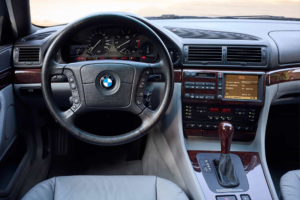
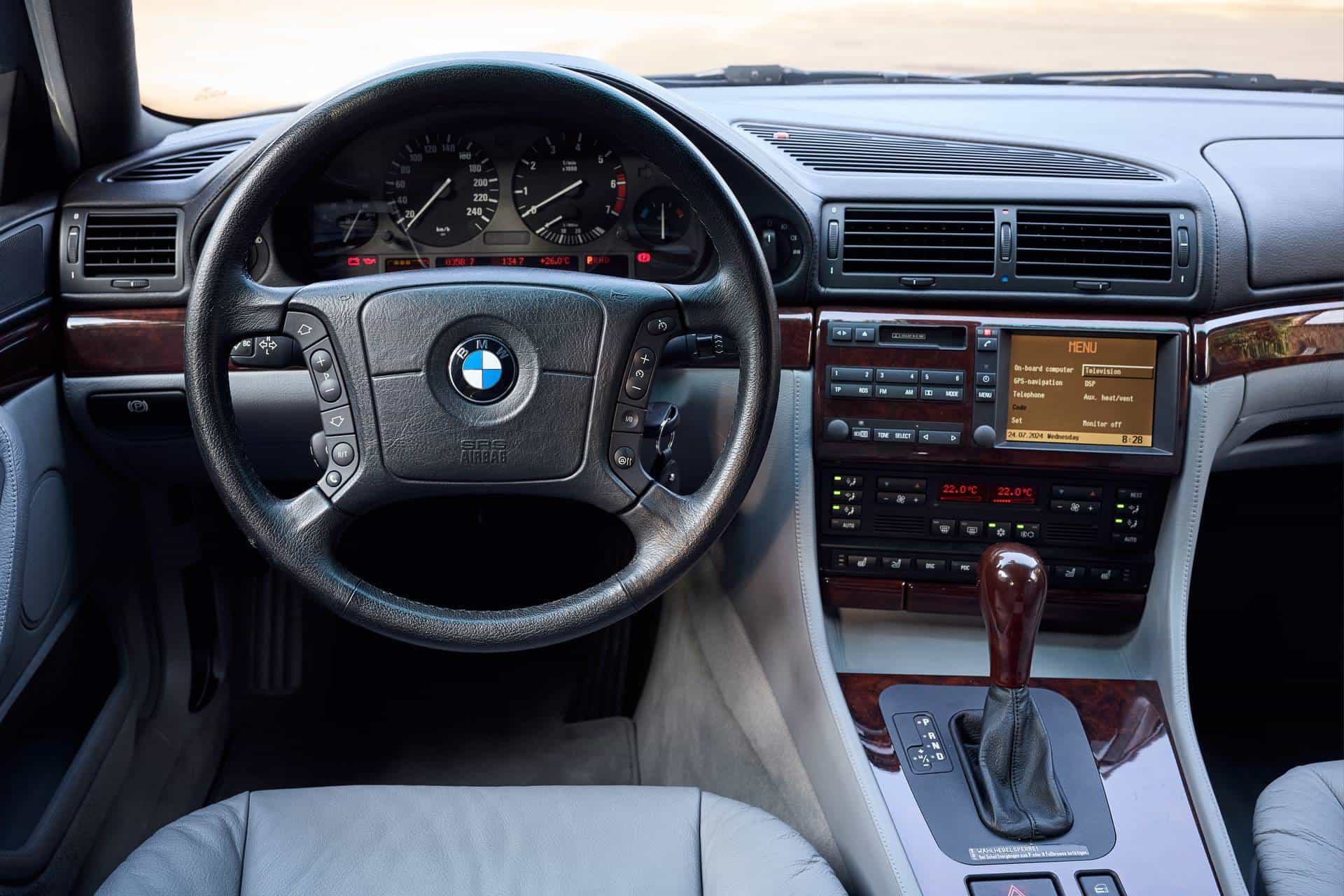
Adjusting cabin temperature, changing fan speeds, and controlling airflow are among the functions drivers use most frequently. In traditional BMW interiors, these operations were generally handled through clearly positioned buttons and rotary switches.
With the Neue Klasse design, however, more functions have moved into the central infotainment system. Drivers may need to interact with digital menus or touchscreen interfaces to perform tasks that previously required a simple physical adjustment.
Maier specifically mentioned climate functions and steering wheel buttons as examples of controls BMW could reconsider if customer demand becomes sufficiently strong.
That possibility could appeal to drivers who value straightforward operation over a completely minimalist dashboard. Physical controls provide immediate tactile feedback, making it easier to identify and operate frequently used functions without looking away from the road for extended periods.
For now, however, BMW has not announced a confirmed plan to restore dedicated climate-control switches to its upcoming vehicles.
BMW Neue Klasse Models Embrace a More Digital Dashboard
The company’s latest interior direction can be seen across its Neue Klasse generation, including models such as the new BMW iX3 and i3, alongside the broader expansion of the platform into future vehicles.
One of the most noticeable changes is the replacement of the conventional instrument cluster with BMW Panoramic Vision, a display concept that projects important driving information across the lower portion of the windshield.
The dashboard also incorporates a large 17.9-inch central touchscreen that handles many infotainment and vehicle functions. On selected higher-end models, BMW has introduced an additional display for the front passenger.
This approach creates a cleaner cabin with fewer traditional switches, while allowing BMW to deliver software-based features and a more configurable digital experience.
However, the transition also changes how drivers interact with their vehicles. Functions that once had dedicated buttons may now require navigating menus, touching display icons, or using voice commands.
BMW believes this combination of digital displays, touch controls, and voice interaction provides the right balance for modern drivers. Whether customers ultimately agree will play an important role in determining how future interiors evolve.
BMW Has Not Eliminated Every Physical Button
Despite its minimalist approach, BMW has retained several conventional controls in its latest vehicles.
The Neue Klasse interiors still feature indicator and windshield-wiper stalks, physical volume controls, and dedicated shortcuts for certain functions, including window demisting.
These remaining controls demonstrate that BMW is not attempting to eliminate every physical switch. Instead, the company is selecting which functions should remain accessible through conventional hardware and which can move to digital interfaces.
The distinction is important because not every vehicle function requires the same type of interaction. Entertainment settings and navigation preferences can work well on a touchscreen, while frequently used driving and climate functions may benefit from dedicated physical controls.
BMW’s current approach reflects its confidence in digital interfaces, but its willingness to listen to customers leaves room for future adjustments.
Why Physical Buttons Still Matter to Many Drivers
The debate surrounding physical buttons extends well beyond BMW. Several automakers have increasingly adopted large infotainment displays and simplified dashboards, following a design trend that became particularly popular with the rise of electric vehicles.
However, touchscreen-heavy interiors have also attracted criticism from drivers who believe that basic vehicle functions should remain easy to access.
Physical buttons offer several practical advantages:
- Better tactile feedback: Drivers can identify a physical control by touch rather than relying entirely on a visual display.
- Less screen navigation: Frequently used functions can be accessed directly without opening multiple menus.
- More predictable operation: Dedicated switches generally provide a consistent location for important functions.
- Convenience while driving: Drivers may be able to adjust certain settings without taking their eyes off the road as often.
These advantages do not mean touchscreens have no place in modern vehicles. Digital interfaces can simplify software updates, offer customizable layouts, and consolidate numerous functions into a single display.
The challenge for manufacturers is finding the right balance between technological innovation and practical usability.
BMW Meets Euro NCAP Requirements for Essential Controls
Another important consideration is vehicle safety and the accessibility of essential functions.
Euro NCAP has introduced requirements concerning the availability of physical controls for selected functions as part of its vehicle safety assessment approach. BMW’s second-generation iX3 has met the relevant requirements, demonstrating that the company’s digital-focused interior can still accommodate the controls required under the assessment criteria.
This means BMW’s current design direction is not necessarily facing an immediate regulatory obstacle. Nevertheless, meeting assessment requirements does not automatically resolve the debate over whether physical controls provide a better everyday driving experience.
Ultimately, customer satisfaction could become a more important factor than regulatory compliance when BMW considers future interior changes.
BMW Rejects Apple CarPlay Ultra but Keeps Standard CarPlay
While BMW appears open to reconsidering its physical controls, the company is taking a different position on Apple’s next-generation CarPlay Ultra technology.
Unlike conventional Apple CarPlay, which primarily displays smartphone applications through the central infotainment screen, CarPlay Ultra is designed to extend across multiple vehicle displays, including the instrument cluster. It can also integrate with selected vehicle functions, creating a more comprehensive digital interface.
BMW has ruled out adopting CarPlay Ultra, with Maier pointing to the company’s preference for keeping vehicle data within its own ecosystem and maintaining strong control over data security and privacy.
That decision does not mean BMW is abandoning smartphone connectivity. The company intends to continue offering conventional Apple CarPlay and Android Auto wirelessly through its central display.
Maier also indicated that BMW has not discussed removing standard Apple CarPlay from future vehicles, suggesting that customers will continue to have access to familiar smartphone integration features.
When Could Physical Buttons Return to BMW Models?
Even if BMW decides to restore additional physical controls, customers should not expect an immediate change to vehicles already developed around the Neue Klasse architecture.
Adding conventional switches to an existing dashboard can require significant engineering work. Manufacturers must consider dashboard packaging, electronic systems, software integration, manufacturing processes, and the overall cabin design.
For that reason, introducing additional buttons during a mid-cycle facelift could prove more complicated than incorporating them into an entirely new vehicle generation.
A more realistic opportunity would come when BMW develops the next generation of its models and has greater freedom to redesign the interior from the beginning.
There is currently no confirmed timetable for bringing back dedicated climate controls or restoring a more traditional steering wheel layout. BMW is also still in the process of expanding its Neue Klasse lineup, making an immediate reversal unlikely.
BMW’s Future Interiors May Depend on Customer Feedback
BMW’s latest comments reveal an interesting shift in the conversation surrounding modern automotive interiors. The company remains confident that touchscreen technology and digital displays represent the right direction, but it is also acknowledging that customer preferences could influence future design decisions.
The potential return of physical climate controls and steering wheel buttons would not necessarily represent a rejection of technological progress. Instead, it could demonstrate that traditional hardware and advanced digital systems can coexist in a more practical cabin.
For BMW, the challenge will be delivering the modern appearance and connected features customers expect without making everyday vehicle operation unnecessarily complicated.
Whether physical buttons return will ultimately depend on how strongly buyers communicate their preferences and how BMW chooses to respond when developing its next generation of vehicles.