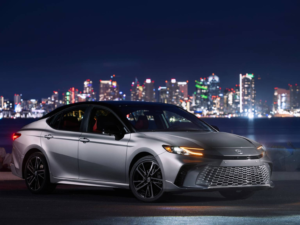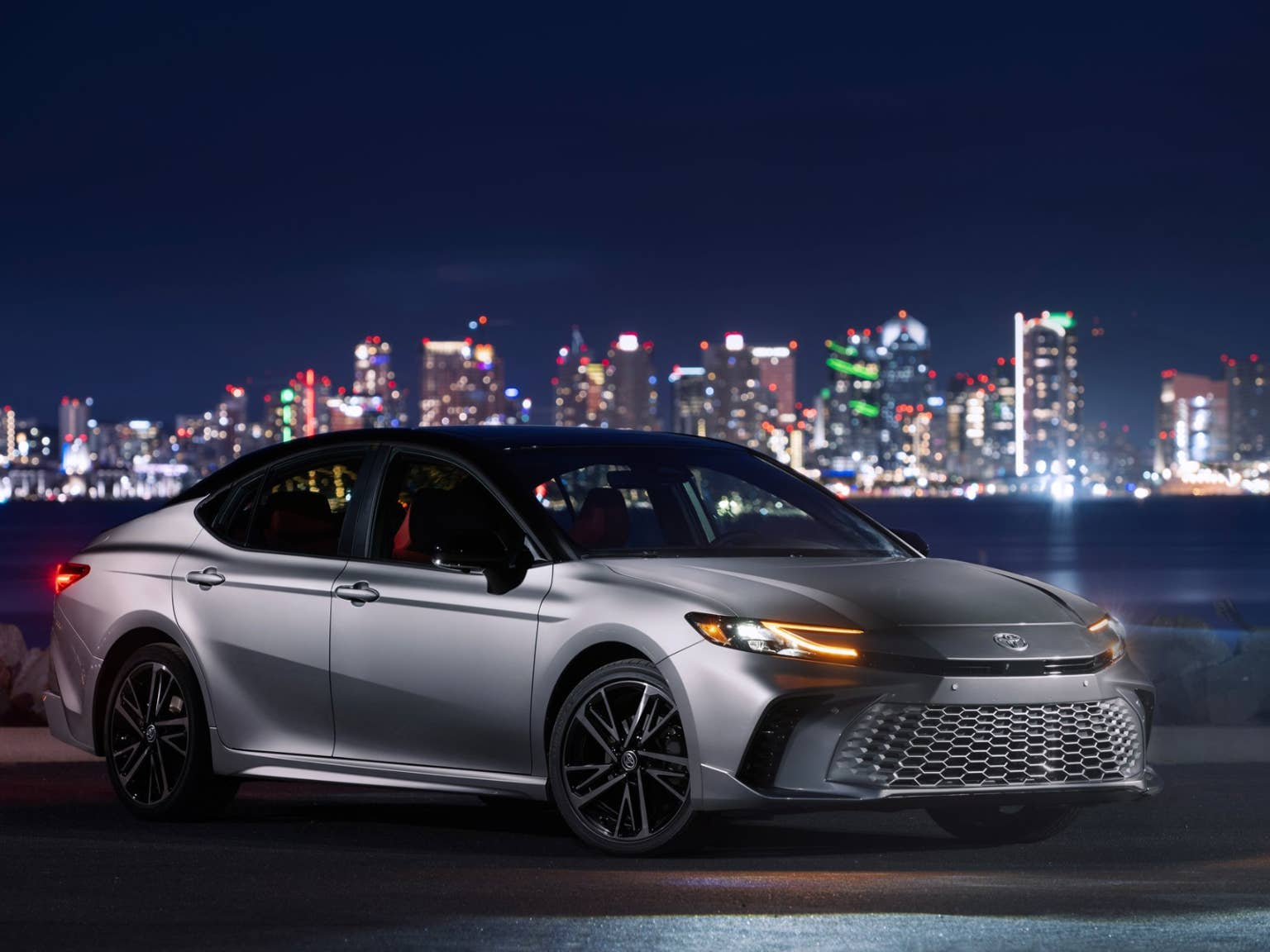
Toyota is facing a proposed class-action lawsuit over its recalled 2026 Camry Hybrid, with an Illinois owner alleging that the automaker sold him a defective vehicle despite knowing about a potential problem with its hybrid inverter. The lawsuit, filed by Michael Jaffe, claims the defect left him unable to drive his car for months and reduced its value after he purchased it in December 2025, just days before the recall was announced.
Why Toyota Is Facing a 2026 Camry Hybrid Lawsuit
Jaffe alleges that Toyota knew about the defect in his Camry Hybrid but sold him the vehicle anyway. According to the lawsuit, the problem involved improperly tightened bolts inside the hybrid inverter, which allegedly affected the vehicle’s ability to operate.
The plaintiff claims he was unable to drive the sedan for months following his purchase. He also argues that the hybrid system defect diminished the vehicle’s value.
Toyota’s Hybrid Inverter Recall Affected More Than 55,000 Vehicles
Toyota became aware of the issue in November 2025 after receiving a field report alleging that a vehicle could not start. A dealer subsequently identified a loose bolt inside the inverter assembly as the source of the problem.
Toyota issued a recall the following month, covering more than 55,000 Corolla Cross Hybrid and Camry Hybrid vehicles. The recall addressed the potential loss of driving power, as well as the risk of fire associated with the defect.
Toyota Disputes the Lawsuit and Points to Free Repairs
Toyota has disputed Jaffe’s claims, arguing that it provided him with free loaner vehicles while preparing a remedy for the recalled vehicle.
The automaker also maintains that the necessary repair was provided at no cost, meaning the plaintiff did not suffer compensable damages.
The proposed class-action lawsuit specifically targets buyers who purchased affected new vehicles from Illinois Toyota dealerships in 2025. It does not automatically include every vehicle covered by the broader recall.
The dispute centers partly on whether complimentary transportation and free repairs are sufficient to address the inconvenience experienced by affected owners and the alleged loss of vehicle value.
Toyota Has Faced a Previous Hybrid Inverter Dispute
The current lawsuit is not the first time Toyota has faced legal action involving hybrid inverter problems. The automaker previously dealt with a similar dispute concerning certain 2010–2015 Prius and 2012–2017 Prius V models.
That earlier issue involved failures of inverter electronics rather than improperly tightened bolts. However, the resulting settlement included free loaner vehicles and towing under certain conditions.
It also provided a 20-year warranty extension with unlimited mileage for qualifying failures involving the inverter and intelligent power module (IPM).
What the Lawsuit Could Mean for Toyota’s Hybrid Strategy
The case comes as Toyota moves toward a more hybrid-focused vehicle lineup. The 2026 RAV4, for example, is offered exclusively with hybrid and plug-in hybrid powertrains in the U.S.
However, the lawsuit should not be taken as evidence that hybrid vehicles are generally more likely to experience problems than gasoline-powered models. Available data shows that hybrids experience 15% fewer problems on average than gas-only vehicles.
For now, the proposed class-action lawsuit puts Toyota’s handling of the 2026 Camry Hybrid recall under scrutiny, with the dispute focusing on the alleged defect, its impact on vehicle owners, and whether the company’s repair measures adequately address the claims.