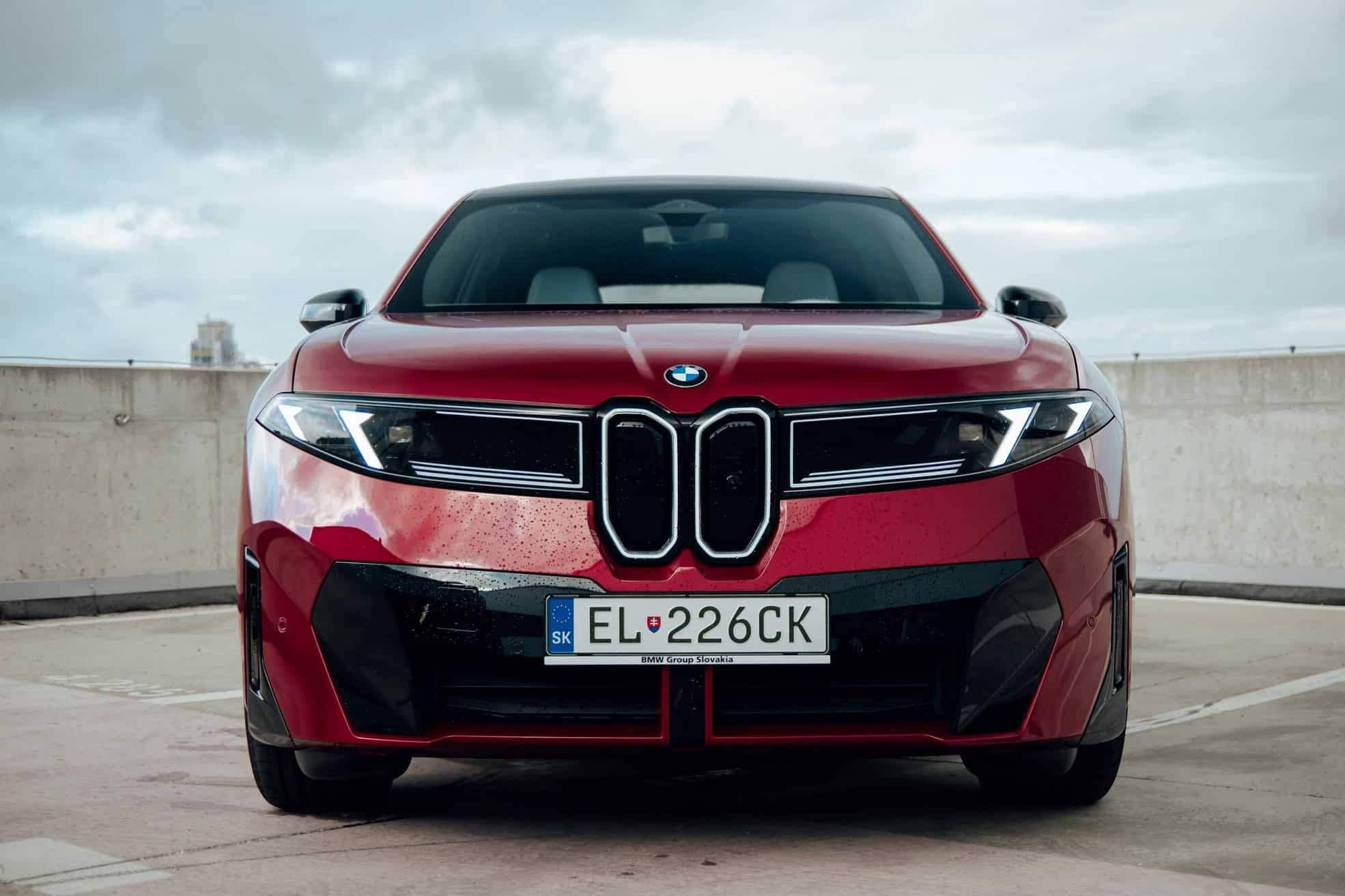
BMW has found a new way to turn its progress in electric vehicle development into a potential financial advantage. After meeting the European Union’s fleet emissions requirements without assistance from other manufacturers, the German automaker is now opening its CO2 emissions pool to competing brands. The move could help rivals avoid substantial regulatory penalties while creating an additional revenue opportunity for BMW.
The arrangement covers the 2025, 2026, and 2027 reporting periods, allowing other manufacturers to combine their fleet emissions figures with BMW’s under the European Union’s pooling framework. According to a report by German business newspaper Handelsblatt, documents from the European Commission confirm that BMW is accepting applications from interested automakers.
Although manufacturers normally compete aggressively for market share, this arrangement introduces an unusual business relationship. BMW could effectively help competitors satisfy environmental regulations, provided they are willing to meet its financial and administrative conditions.
How the EU CO2 Emissions Pooling System Works
The European Union allows car manufacturers to combine their fleet-wide CO2 emissions averages through a regulatory mechanism known as emissions pooling. This system gives automakers another option when trying to comply with increasingly demanding environmental standards.
Manufacturers selling large numbers of combustion-powered vehicles can struggle to keep their average fleet emissions below the limits established by European regulators. Meanwhile, companies with a higher proportion of electric vehicles may have greater flexibility because battery-powered models produce no tailpipe CO2 emissions.
By joining an emissions pool, a manufacturer with higher average emissions can combine its figures with those of a company that has a cleaner overall vehicle lineup. Regulators then assess the combined fleet average when determining compliance.
This approach does not reduce the actual emissions produced by individual vehicles. Instead, it changes how manufacturers’ fleet averages are calculated for regulatory purposes.
The financial consequences can be considerable. Under the EU framework, automakers that exceed their applicable CO2 targets can face penalties of €95 for every excess gram of CO2 per kilometer, multiplied by the number of newly registered vehicles. For manufacturers selling hundreds of thousands of cars annually, avoiding these penalties can represent significant savings.
BMW Will Require Financial Guarantees From Competitors
BMW is not offering other manufacturers unrestricted access to its emissions advantage. The company is reportedly establishing several conditions designed to protect its own regulatory position and reduce the financial risks associated with bringing additional automakers into the pool.
Interested manufacturers must provide their emissions data and sign confidentiality agreements before participating. BMW also wants financial statements or bank guarantees demonstrating that potential partners can cover their obligations if the combined emissions pool fails to meet its targets.
These requirements are particularly important because the actions of one participating manufacturer could affect the compliance position of every company included in the arrangement.
BMW therefore needs to evaluate potential partners carefully. A manufacturer with an unfavorable emissions profile could introduce additional risks, making financial guarantees and transparent reporting essential parts of the agreement.
The commercial terms will also matter. While the European framework requires emissions pools to operate under transparent and economically reasonable conditions, BMW could potentially negotiate compensation that reflects the value of the regulatory flexibility it provides.
BMW’s Growing Electric Vehicle Lineup Creates an Advantage
BMW’s decision to open its emissions pool comes after significant investments in electrification. The company has expanded its electric vehicle portfolio across several segments, giving customers more alternatives to traditional gasoline and diesel models.
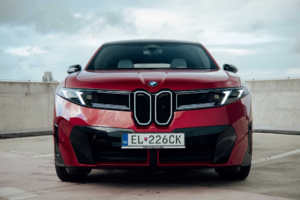
Vehicles such as the BMW i4, i5, i7, and iX have contributed to the manufacturer’s electric vehicle strategy. The arrival of the Neue Klasse generation is expected to strengthen that position further.
According to figures from the International Council on Clean Transportation (ICCT), battery-electric vehicles accounted for 31% of BMW Group’s sales during the first nine months of 2026. That represented a five-percentage-point increase compared with the corresponding period a year earlier.
This growing electric vehicle share gives BMW greater flexibility when managing its average fleet emissions. It also creates an opportunity to offer regulatory support to manufacturers that have not achieved similar progress in electrification.
The new BMW iX3 has also attracted considerable market interest. The model reportedly accumulated more than 100,000 orders within its first year, highlighting the commercial importance of the company’s latest electric vehicle generation.
BMW is preparing to expand its electric portfolio further. Upcoming products are expected to include the i3, iX4, iX5, and i7, while the i3 Touring and iX7 are planned for 2027. Additional models, including the i1 and iX6, are expected to follow in 2028.
With more electric models entering the market, BMW could maintain a competitive position in European emissions calculations while continuing to expand its customer base.
BMW Could Turn Its Electrification Investments Into Revenue
Opening its emissions pool to competitors represents more than a regulatory decision. It could become another way for BMW to generate financial returns from investments it has already made in electric vehicles and low-emissions technology.
Developing electric platforms, improving battery technology, and expanding production capacity require substantial capital. BMW has invested heavily in these areas to prepare for the industry’s transition toward electrification.
Now, the company may be able to benefit from that progress beyond selling electric cars directly to customers. Manufacturers struggling to meet European emissions requirements could become potential commercial partners, creating a new source of income for BMW.
The strategy also comes at a time when the German automaker is working to improve operational efficiency and control costs. BMW has introduced a voluntary redundancy program in Germany and plans to reduce the number of divisions and associated management positions by 20% by mid-2027.
The company is also working to simplify vehicle development by increasing its use of standardized components rather than designing unique parts for every model.
In this environment, monetizing its emissions advantage could provide an additional financial benefit without requiring BMW to launch an entirely new business operation.
What BMW’s Strategy Means for the European Automotive Industry
BMW’s decision highlights an important development in the European automotive market. As emissions regulations become more demanding, manufacturers’ ability to meet environmental targets is increasingly becoming a competitive advantage with direct financial value.
Companies with successful electrification strategies may find themselves in a stronger position than competitors that continue to depend heavily on combustion-engine vehicles. Rather than simply avoiding regulatory penalties, these manufacturers could potentially generate revenue by helping other companies meet their obligations.
For struggling automakers, joining an established emissions pool could offer a practical short-term solution while they continue developing their own electric vehicle portfolios. However, relying on another manufacturer’s emissions performance may not be a sustainable long-term strategy if regulatory requirements continue to tighten.
For BMW, the opportunity is relatively straightforward: use its existing emissions advantage to strengthen its financial position while maintaining control over the conditions under which competitors can participate.
The arrangement does not eliminate the need for automakers to invest in cleaner vehicles, improve efficiency, or develop competitive electric models. It simply provides another mechanism for managing regulatory obligations during the industry’s transition.
BMW’s Emissions Advantage Could Become a New Business Opportunity
BMW’s decision to welcome competitors into its CO2 emissions pool demonstrates how electrification can create advantages beyond vehicle sales. The company has invested in electric mobility, expanded its model lineup, and achieved a fleet emissions position that allows it to consider supporting other manufacturers.
If the arrangement attracts enough participants, BMW could benefit financially while helping competitors avoid potentially expensive EU penalties. However, the success of the strategy will depend on the commercial agreements, the financial reliability of participating manufacturers, and the combined fleet’s ability to satisfy European emissions requirements.
Ultimately, BMW is showing that an early investment in electric vehicles can deliver benefits across multiple areas of the automotive business. Its emissions performance may now become an asset that competitors are willing to pay to access.