BMW is preparing to expand its use of lithium iron phosphate (LFP) batteries beyond China, potentially paving the way for more affordable electric vehicles in Europe and other markets. The German automaker has confirmed that the lower-cost battery technology will become part of its broader electric vehicle strategy, although it has not yet identified the markets or models scheduled to receive it.
Joachim Post, BMW’s head of development, confirmed the expansion during the presentation of the new i3 in Aix-en-Provence, France. Speaking to BimmerToday, he was asked about the China-exclusive iX3 30L and whether its LFP battery technology could reach other markets.
“We will continue rolling out LFP batteries and offer them not only in China,” Post said.
BMW Plans to Expand LFP Batteries Across More Markets
BMW has not announced which countries will receive LFP-powered models or when the first vehicles equipped with the technology will arrive.
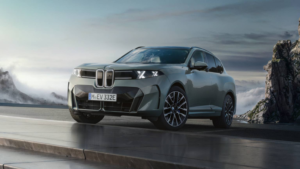
However, the expansion could create opportunities for more affordable entry-level versions of standard-wheelbase electric vehicles, including the i3 and iX3.
The company’s Neue Klasse initially relies on sixth-generation (Gen6) cylindrical nickel-manganese-cobalt (NMC) battery cells. BMW has emphasized their higher energy density and extended driving range, with the new iX3 and i3 setting ambitious benchmarks for electric vehicles.
However, BMW recognizes that not every customer needs an electric vehicle capable of traveling more than 500 miles on a single charge. LFP batteries offer a less expensive alternative for buyers who prioritize affordability over maximum driving range.
LFP vs. NMC Batteries: Key Differences
Lithium iron phosphate batteries generally cost less than nickel-manganese-cobalt alternatives, but they typically have lower energy density. This means an LFP battery of comparable size generally delivers less driving range than an NMC pack.
Despite that disadvantage, LFP technology offers several benefits, particularly in durability and battery longevity.
LFP batteries can generally withstand more charging and discharging cycles before experiencing significant capacity deterioration. They also provide better thermal stability, making them less susceptible to overheating and thermal runaway.
Another advantage is that LFP chemistry does not depend on nickel or cobalt, reducing exposure to price fluctuations and supply-chain concerns involving those materials.
LFP batteries can also generally be charged to 100% regularly without the same long-term degradation concerns associated with keeping an NMC battery fully charged.
However, LFP technology has limitations. These batteries typically perform less efficiently in cold weather, particularly during charging, while NMC batteries maintain advantages in energy density and low-temperature performance.
Ultimately, the two chemistries serve different priorities. LFP focuses on affordability, longevity and durability, while NMC offers greater energy density, longer range and packaging efficiency.
BMW iX3 30L Shows What LFP Technology Could Offer
BMW CEO Milan Nedeljković previously addressed the company’s battery strategy during its third-quarter earnings call earlier this month. He confirmed that LFP batteries would join the Neue Klasse lineup but emphasized that BMW would carefully select the models and applications.
That means the company does not intend to replace NMC batteries across its entire electric vehicle range.
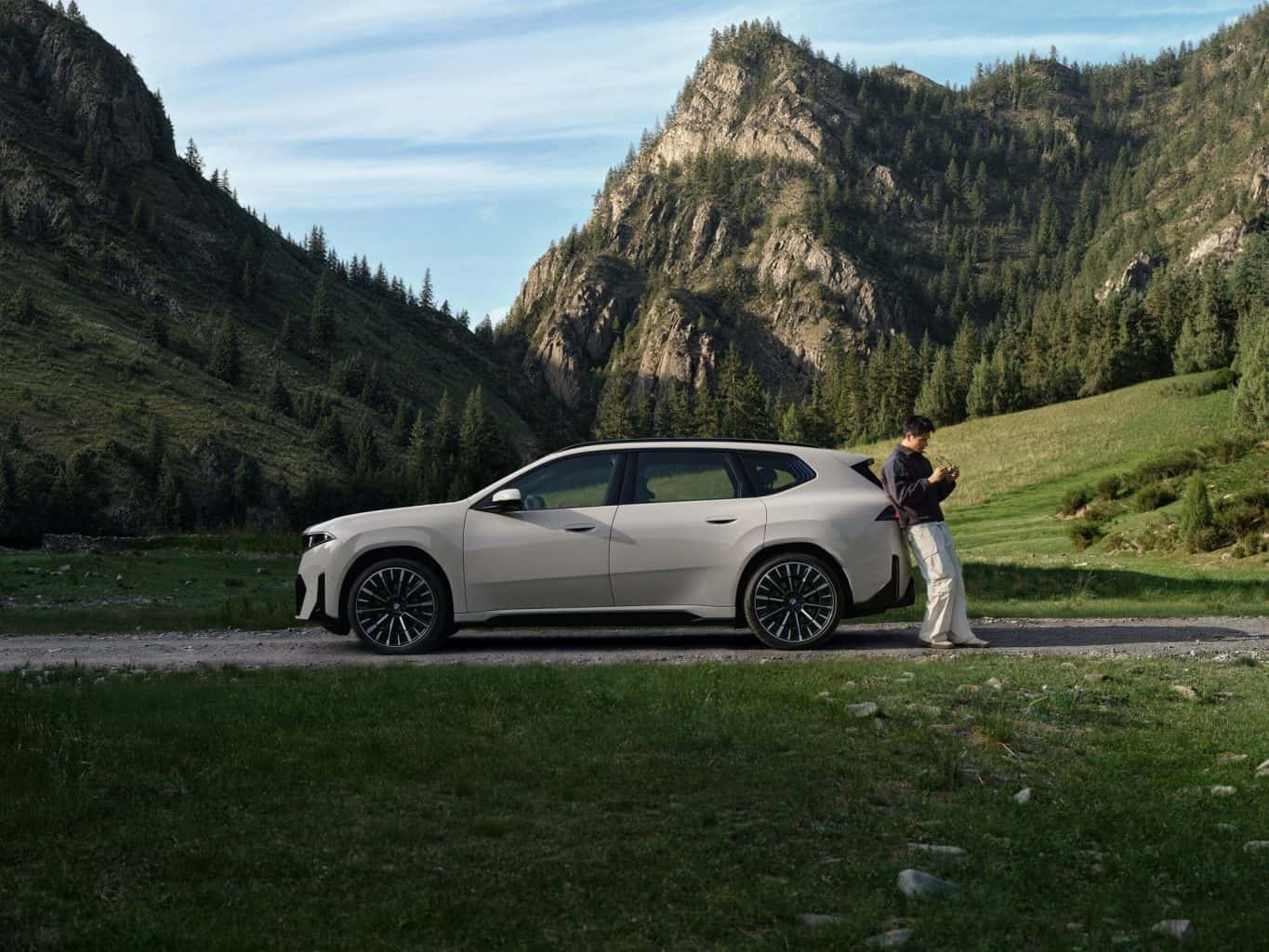
The China-exclusive BMW iX3 30L provides an indication of what the automaker could eventually introduce in other markets. The electric SUV features a 77-kWh LFP battery and has a claimed range of 391 miles (630 kilometers) under the CLTC testing cycle.
An equivalent WLTP range figure would likely be at least 15% lower.
BMW’s stretched i3 sedan in China could also receive an entry-level version equipped with an LFP battery when it goes on sale next year.
Could the BMW i1 Get an LFP Battery?
BMW’s plans for LFP technology could extend beyond the i3 and iX3. The battery chemistry may also help reduce the price of the company’s already-confirmed entry-level compact electric vehicle, scheduled to arrive in Europe in 2028.
A less expensive battery could make sense for a smaller electric car, where buyers may be less interested in achieving the maximum possible driving range.
There has been speculation that the upcoming model could carry the i1 name and adopt a hatchback design inspired by the 1 Series. However, BMW has not confirmed either detail.
The battery technology for the compact EV also remains undecided, meaning an LFP pack is a possibility rather than a confirmed feature.
BMW is therefore preparing to broaden the availability of LFP batteries beyond China while maintaining NMC technology for applications where higher energy density and longer driving range remain priorities. The strategy could also support more affordable electric vehicles across the BMW lineup and potentially MINI.