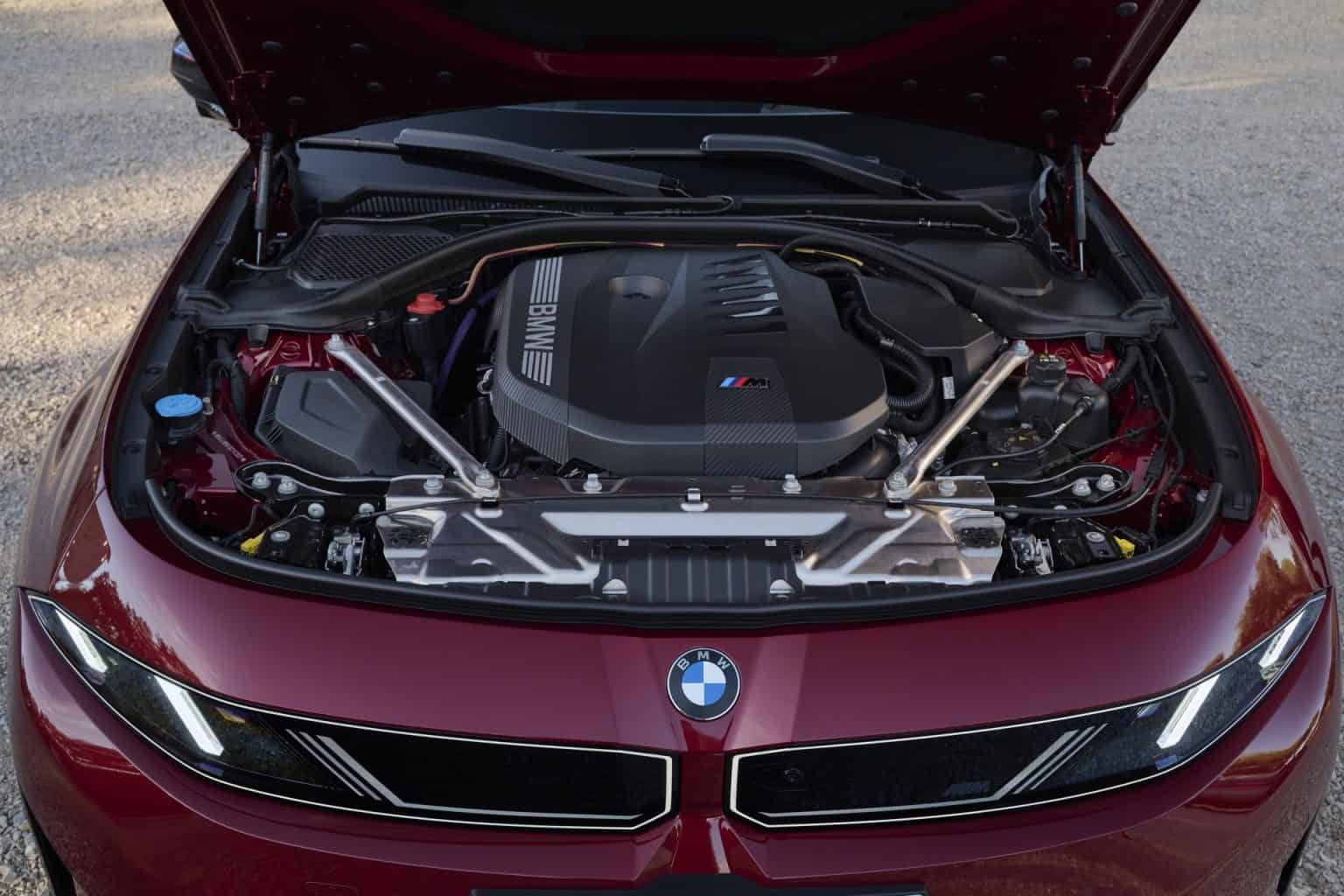
BMW has confirmed that every new gasoline and diesel model it launches in Australia from now on will feature engines compliant with the latest Euro 7 emissions standards, even though the country has not announced a timetable for introducing the regulations. The decision means Australian customers will receive BMW’s latest combustion-engine technology ahead of any domestic requirement to adopt the European standards.
BMW Introduces Euro 7 Engines in Australia Ahead of Regulations
The German luxury automaker is moving ahead of Australia’s emissions regulations by committing to Euro 7 compliance across all newly launched gasoline and diesel models in the market.
The decision comes as Australia continues its gradual transition toward Euro 6d-equivalent emissions requirements. These standards became mandatory for newly approved light vehicle models last December, while the country has yet to establish a timeline for implementing Euro 7.
Australia will not require all new light vehicles to meet the current Euro 6d-equivalent requirements until July 2028. Despite the delayed transition, BMW plans to bring its latest European-specification combustion engines to the country rather than maintain older engine standards simply because local regulations permit them.
The approach reflects BMW’s intention to standardize its latest combustion-engine technology across markets, regardless of when individual countries make the corresponding emissions requirements mandatory.
What Euro 7 Emissions Standards Actually Change
Europe’s Euro 7 regulations are scheduled to apply to newly approved cars from November 29, 2026, before extending to all new vehicles a year later.
The legislation introduces several changes to vehicle emissions and environmental monitoring requirements, including:
- Tighter requirements for smaller exhaust particles.
- New limits on brake and tire particle emissions.
- Longer periods of exhaust emissions compliance.
- Expanded monitoring of vehicle efficiency.
However, Euro 7 does not tighten the existing limits for major exhaust pollutants, including nitrogen oxides (NOx) and carbon monoxide (CO).
That distinction is important when assessing BMW’s decision. Introducing Euro 7-compliant engines in Australia does not automatically mean the company’s powertrains will deliver dramatically lower emissions or significantly improved efficiency compared with previous specifications.
BMW Continues to Invest in Gasoline and Diesel Engines
BMW’s decision also highlights its continued commitment to internal combustion engines well into the next decade. The company is maintaining development of gasoline and diesel powertrains alongside plug-in hybrids and battery-electric vehicles rather than relying exclusively on electric propulsion.
Hydrogen fuel-cell technology also remains part of BMW’s long-term strategy. The automaker plans to introduce the iX5 Hydrogen, featuring this alternative propulsion system, in select markets later this decade.
This strategy reflects BMW’s Power of Choice philosophy, which allows customers to select different propulsion systems according to their needs and local market conditions.
The company’s approach comes as several automakers have reconsidered electrification targets they established earlier in the decade. BMW, meanwhile, continues to develop multiple powertrain technologies rather than concentrate entirely on battery-electric vehicles.
Australia’s Vehicle Efficiency Rules Add Pressure on Automakers
Australia’s New Vehicle Efficiency Standard (NVES) provides another reason for BMW to improve the emissions performance of its combustion engines.
The federal government’s fleet-average CO2 targets are scheduled to become progressively more demanding through 2029, increasing pressure on automakers to reduce emissions across their entire vehicle lineups.
Although Australia is still transitioning toward Euro 6d-equivalent requirements and has not announced a Euro 7 implementation timetable, BMW is already preparing its upcoming models to meet the newer European standards.
BMW Prepares Its Australian Lineup for Future Emissions Rules
By introducing its latest European-specification combustion engines in Australia, BMW is moving ahead of the country’s current regulatory requirements. The decision ensures that newly launched gasoline and diesel models will meet Euro 7 standards without waiting for Australia to make those regulations mandatory.
With gasoline and diesel vehicles expected to remain part of BMW’s portfolio for years to come, the company’s strategy combines continued investment in combustion engines with the development of plug-in hybrids, electric vehicles and hydrogen fuel-cell technology.