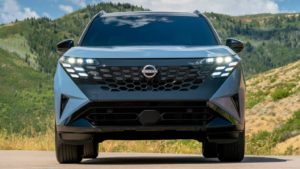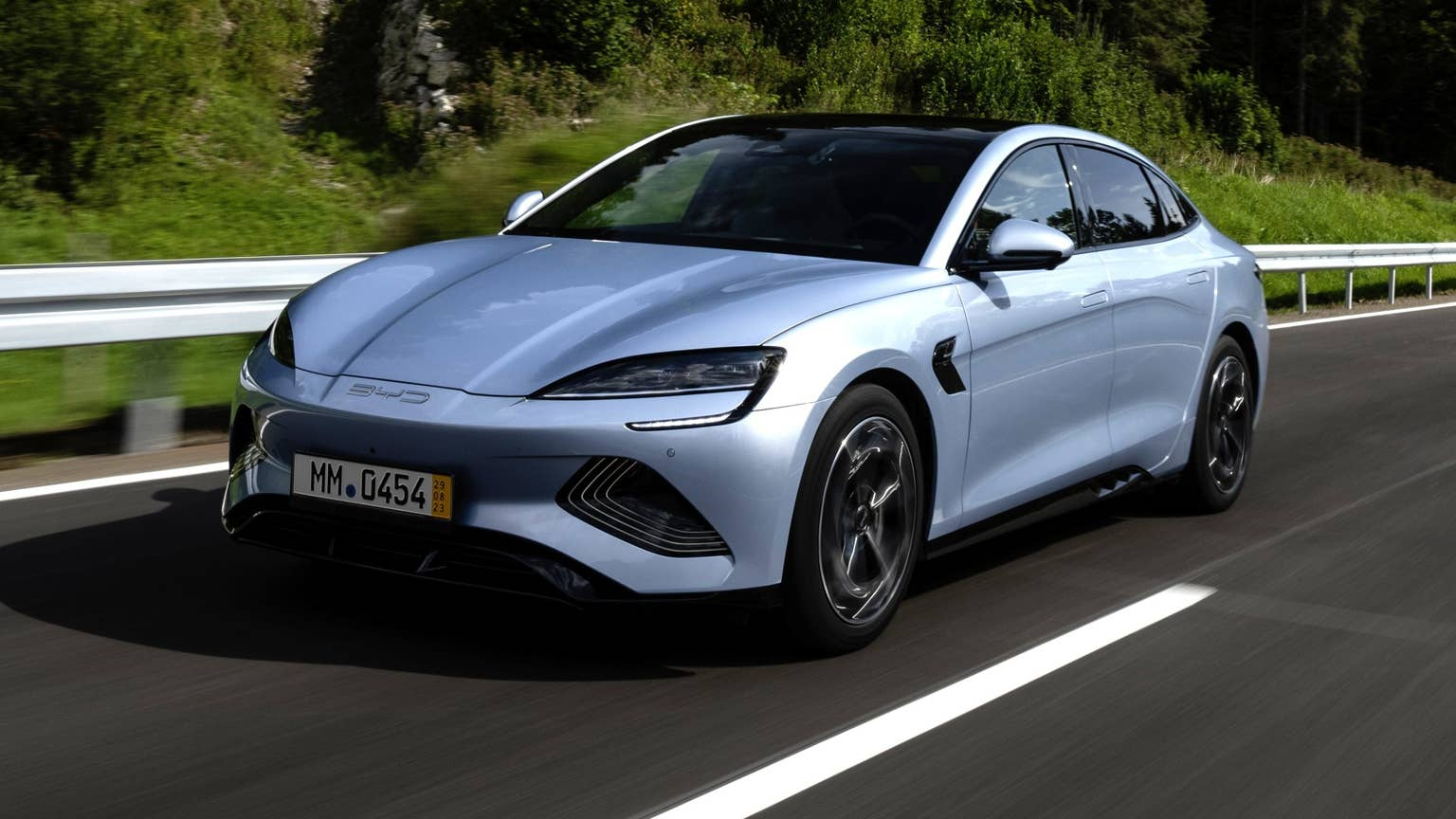
The United States is moving closer to a potential ban on Chinese automakers as lawmakers from both political parties work to finalize legislation that could prevent brands such as BYD and Geely from entering the American market. The proposed restrictions, which could reach President Donald Trump before the end of the year, are also raising concerns about how companies with significant Chinese investment, including Mercedes-Benz, would be affected.
U.S. Lawmakers Push for Restrictions on Chinese Automakers
Chinese automakers are expanding their international presence as competition and price wars intensify in their domestic market. Manufacturers are increasingly targeting customers across Europe, South America and Southeast Asia, looking for opportunities to grow beyond China.
The United States, however, remains largely inaccessible to Chinese automotive brands because of high tariffs and technology restrictions. Now, lawmakers from both parties are reportedly nearing an agreement that could formally prevent Chinese automakers from selling vehicles in the country.
If approved, the legislation would create another major obstacle for manufacturers such as BYD and Geely, which have been unable to establish a significant presence in the American market.
Mercedes-Benz Ownership Raises Concerns Over Proposed Ban
One of the biggest challenges in drafting the legislation involves automakers with Chinese investors. Mercedes-Benz has become a central example in the discussions because nearly 20% of its ownership is linked to Chinese entities.
Earlier versions of the proposed bill would have prohibited automakers with more than 15% Chinese ownership from selling vehicles equipped with connected technology. Mercedes-Benz is close to that threshold, with BAIC Motor and Geely’s founder together holding nearly 20% of the company’s ownership.
Lawmakers are now considering changes that could prevent the restrictions from unintentionally affecting companies whose Chinese investors do not exercise control over their operations.
Proposed Changes Could Protect Passive Chinese Investors
Senator Bernie Moreno has suggested adjustments that would distinguish between Chinese investors who provide financial backing and those who have actual decision-making authority within an automaker.
The proposed approach would potentially exempt companies when their Chinese shareholders hold passive investments without controlling the business. The distinction is intended to separate financial ownership from operational influence.
Mercedes-Benz has expressed concerns about the proposed restrictions but says it remains in discussions with the parties involved. Senator Katie Britt of Alabama, where Mercedes operates a major SUV manufacturing plant, has said she is confident the company’s local operations will be protected.
Most automakers appear supportive of the ongoing discussions, although important details of the legislation remain unresolved. The White House has not publicly commented on the negotiations.
Chinese Automaker Restrictions Could Reach Trump Before Year-End
Lawmakers are working to finalize the legislation and send it to President Donald Trump before the end of the year. Republicans and Democrats representing states with significant automotive manufacturing operations are leading efforts to resolve the remaining disagreements.
The proposed restrictions would extend beyond simply preventing Chinese automotive brands from entering the United States. They could also establish new rules governing how Chinese companies participate in the American automotive industry, particularly regarding connected vehicles and access to vehicle-related data.
U.S. Policy Could Differ From Europe and Canada
If the legislation passes, the United States would take a different approach from markets such as Europe and Canada, where Chinese automotive brands are already expanding their presence.
Their growing international activity has also contributed to trade tensions, making the future of Chinese vehicle exports an increasingly important issue for automotive markets.
For now, the proposed U.S. restrictions remain under negotiation. Lawmakers are attempting to establish rules that limit Chinese automakers’ access to the American market without unintentionally disrupting companies that maintain substantial U.S. operations alongside Chinese investment.
Whether lawmakers can reach an agreement before the end of the year will determine how quickly the proposed restrictions could advance and how significantly they reshape Chinese companies’ involvement in the U.S. automotive industry.