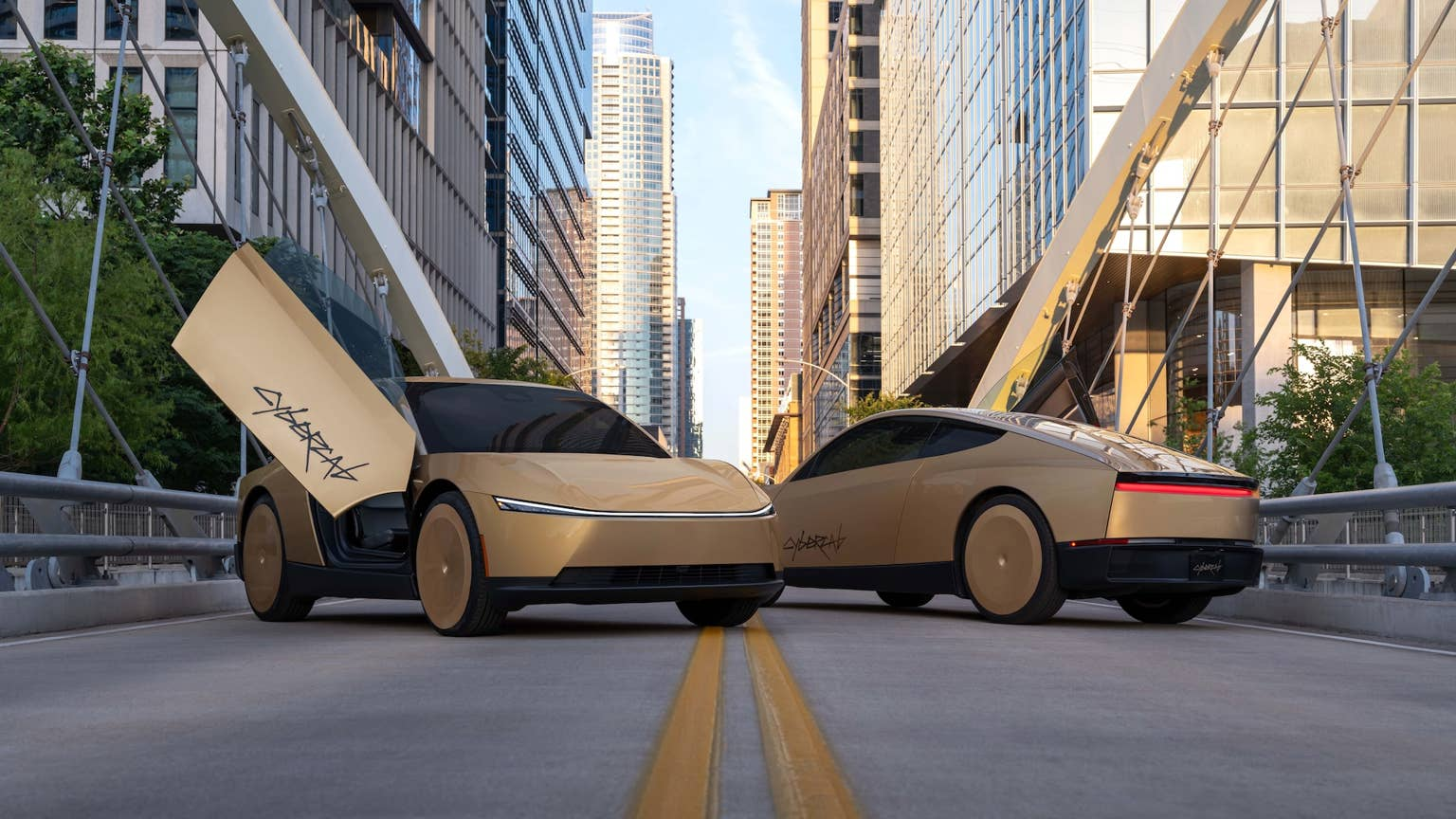
Tesla is considering a new driverless Model Y robotaxi that would eliminate the steering wheel and pedals while offering more passenger space than the two-seat Cybercab. CEO Elon Musk revealed the plan on November 18, explaining that the larger autonomous vehicle would give ride-hailing customers another option, potentially accommodating up to seven passengers as Tesla expands its robotaxi ambitions.
Tesla Model Y Could Get a Driverless Robotaxi Version
Tesla has increasingly emphasized its robotaxi business as an important part of its future beyond selling electric vehicles. The company’s latest plan involves adapting the Model Y, the best-selling electric vehicle in the United States, into a vehicle designed to operate without traditional driving controls.
Speaking at the DealBook Summit on November 18, Musk said the driverless Model Y would complement the Cybercab by providing additional passenger capacity for ride-hailing services.
According to Musk, the planned vehicle could accommodate up to seven passengers. That would give Tesla a larger-capacity option alongside its two-seat Cybercab and put it in a similar passenger-capacity category to Lucid’s Gravity robotaxi program developed in collaboration with Uber and Nuro.
Could Tesla Use the Model Y L for Its Seven-Seat Robotaxi?
Tesla has not disclosed technical specifications or production plans for the driverless Model Y. However, the existing Model Y L could provide a possible foundation for the project.
The Model Y L is a long-wheelbase version that debuted in China in 2025 before reaching the U.S. earlier this year. It starts at $61,990 and is currently offered with six seats.
Removing the steering wheel and pedals could theoretically create enough additional room to accommodate a seventh passenger. This would distinguish the vehicle from the Cybercab, which has no traditional driving controls and is designed to carry only two passengers.
The proposed larger robotaxi would therefore expand Tesla’s autonomous ride-hailing lineup without replacing the smaller Cybercab.
Why Tesla Wants a Larger Robotaxi
Musk has defended the Cybercab’s two-seat configuration, saying it could handle approximately 90% of all passenger miles. The driverless Model Y would serve as a complementary option for customers who need additional seating capacity.
Tesla already operates Model Y robotaxis, although those vehicles retain their traditional driving controls and two-row seating configuration.
Introducing a larger vehicle without a steering wheel or pedals could also help Tesla compete for ride-hailing customers who might otherwise choose rival services.
Tesla Faces Competition From Waymo and Other Robotaxi Programs
Waymo is among the competitors Tesla must consider as the autonomous ride-hailing market develops. The company primarily operates Jaguar I-Pace robotaxis and is expanding its fleet with a new minivan called the Ojai.
The Ojai is based on the China-made Zeekr RT, adding another vehicle format to Waymo’s expanding robotaxi lineup.
A seven-seat driverless Model Y would give Tesla another option for customers seeking more passenger capacity than the two-seat Cybercab provides.
Federal Safety Regulations Could Complicate Tesla’s Plans
Despite the potential advantages of a larger robotaxi, bringing the project to production could present regulatory challenges.
In September 2026, the National Highway Traffic Safety Administration (NHTSA) opened an investigation into whether Tesla properly certified the Cybercab under federal safety standards.
A larger Model Y without conventional steering controls could face similar regulatory questions, potentially complicating the company’s plans for another driverless vehicle.
Will Tesla Sell the Driverless Model Y to Private Buyers?
Another unanswered question is whether Tesla eventually intends to make the driverless Model Y available to private customers, following the approach it has begun taking with the Cybercab.
However, the Cybercab’s proposed ownership model has attracted criticism because it requires a mandatory $299 monthly subscription to operate the vehicle. Its use is also restricted to approved geofenced locations.
For now, Tesla’s larger driverless Model Y remains a work in progress. The company has not announced production specifications or a clear timeline for bringing the proposed seven-seat robotaxi to market.