
Jaguar Land Rover has secured a preliminary legal victory against BYD over the design of its Fangchengbao Ti7 SUV, which a Dutch court ruled infringes on the registered design of the Land Rover Defender. The ruling temporarily blocks BYD from selling the vehicle across the European Union, while the Chinese automaker has confirmed plans to appeal and maintains that the SUV was developed through independent design work.
Dutch Court Rules Against BYD’s Fangchengbao Ti7
Design similarities between Chinese vehicles and established global models are not new. For years, many cases have attracted little legal action, although disputes have occurred. In 2005, General Motors sued Chery, alleging that the Chery QQ copied the Chevrolet Spark. The companies eventually settled the case.
However, China’s growing car exports have brought renewed attention to vehicles that resemble models from international automakers. Such similarities could potentially affect sales of the original vehicles, particularly when the competing models carry significantly lower prices.
That concern is at the center of Jaguar Land Rover’s legal action against BYD over the Fangchengbao Ti7, which JLR alleges copies the Defender.
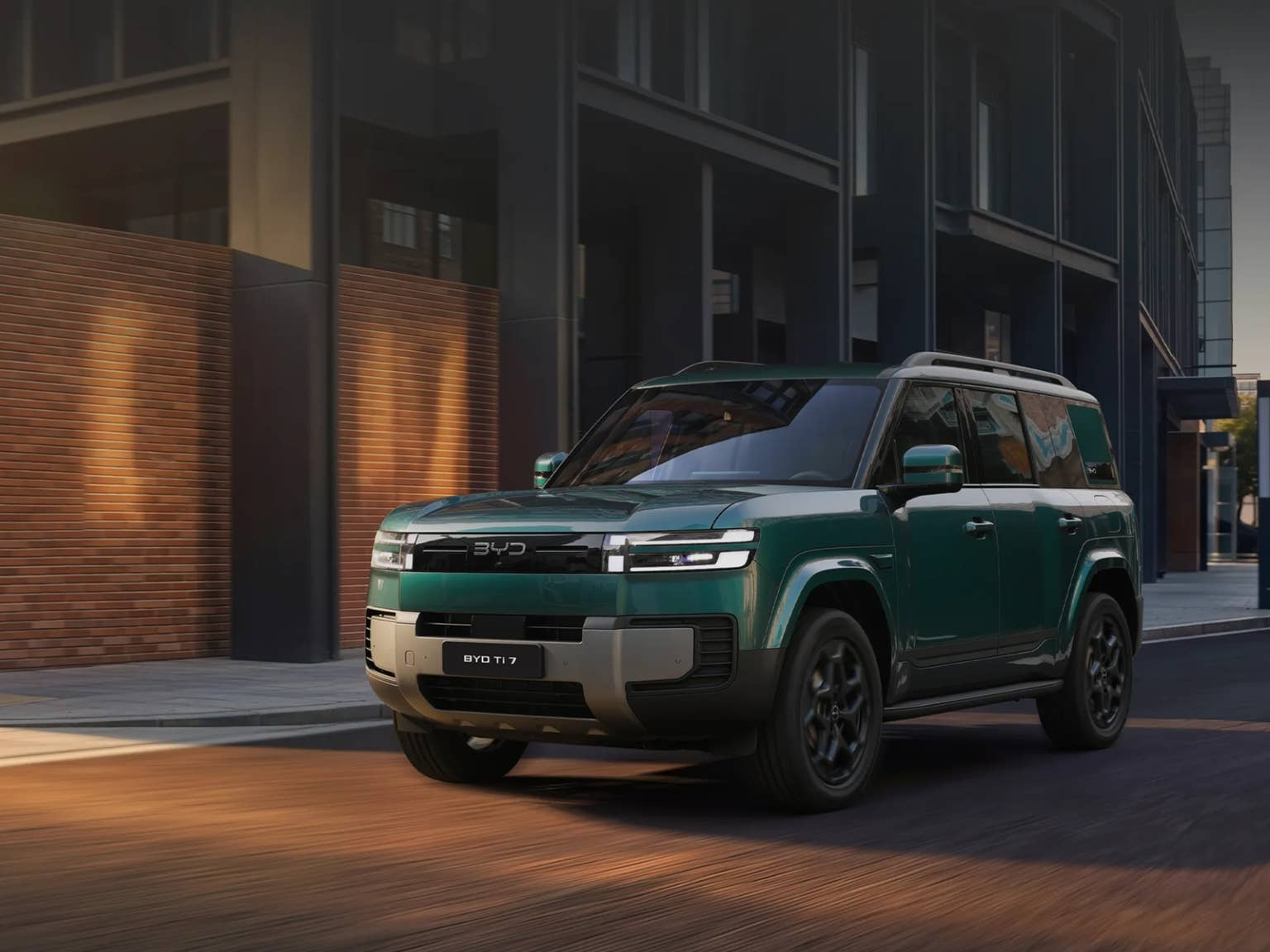
According to the court ruling, the Ti7 infringes on the Defender’s registered design. BYD has rejected the allegations, saying the SUV is the result of its own independent design process, and intends to challenge the decision.
How the Ti7 Resembles the Land Rover Defender
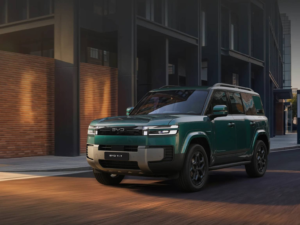
The Fangchengbao Ti7 shares several exterior features with the Defender, including a boxy silhouette, flat roof, upright proportions and squared-off wheel arches. Other similarities include the rear styling and a body-colored panel behind the rear passenger door.
Price is another major difference between the two SUVs. In the UK, the Ti7 starts at £47,995, or about $62,900, making it approximately £24,000, or $31,400, cheaper than the entry-level Defender 110 plug-in hybrid variant.
The Defender’s diesel versions are less expensive, but the comparison with the plug-in hybrid model is more relevant because the Ti7 also uses a plug-in hybrid powertrain.
The BYD SUV is equipped with a 1.5-liter turbocharged gasoline plug-in hybrid system producing 408 PS, equivalent to 402 horsepower.
The dispute has also involved digital records obtained from BYD’s Dutch offices. A court ordered the records destroyed earlier this month after determining that their seizure was unnecessary.
Why JLR Is Defending the Defender’s Design
The Dutch court’s decision is a preliminary injunction, not a final judgment resolving the entire dispute. Nevertheless, the case carries significance for JLR because the Defender is the company’s best-selling model.
The SUV recorded more than 100,000 global sales in 2025, making the protection of its distinctive design particularly important as more affordable Chinese SUVs enter premium vehicle segments.
JLR Has Challenged Similar Designs Before
This is not the first time Jaguar Land Rover has taken legal action over a vehicle it believes resembles one of its models.
In 2019, the British luxury automaker successfully sued Jiangling Holdings in China over the Landwind X7, which closely resembled the Range Rover Evoque.
JLR also fought a trademark dispute with fellow British company Ineos over the shape of the classic Defender, which the Ineos Grenadier resembles. However, JLR lost its appeal in that case in 2020.
The latest ruling against BYD adds another chapter to JLR’s efforts to protect its vehicle designs, although the dispute over the Fangchengbao Ti7 remains unresolved as the Chinese automaker prepares to appeal.