
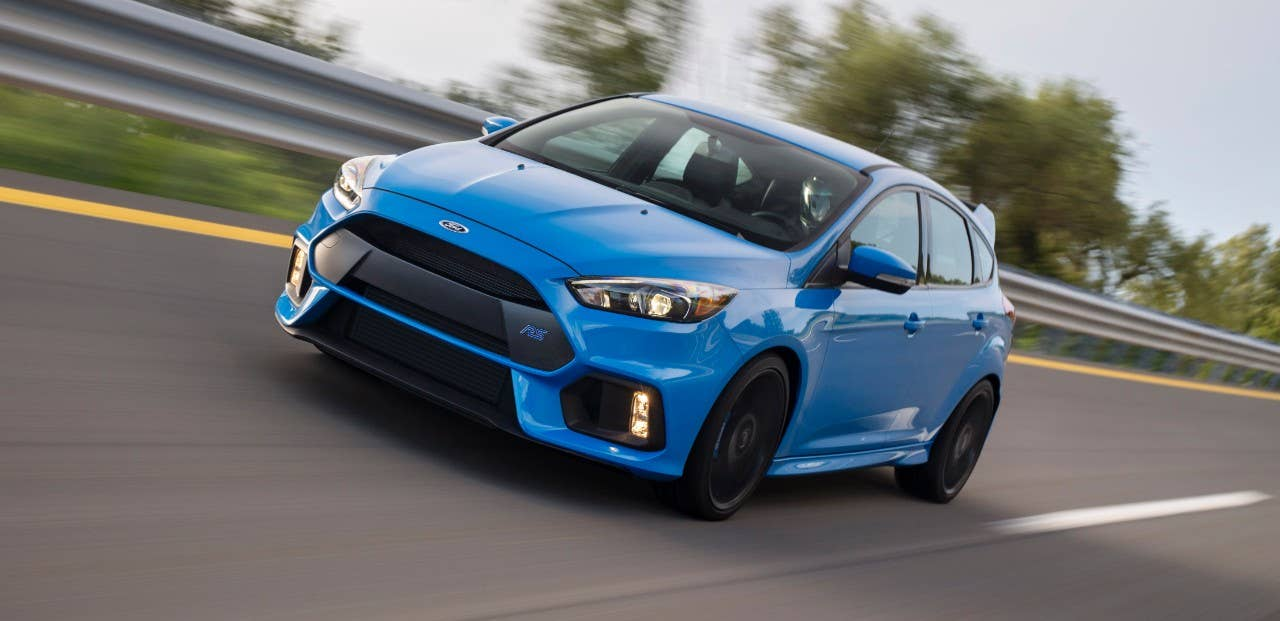
Ford Australia has agreed to pay $390.5 million AUD, or approximately $260 million USD, to settle a class-action lawsuit involving 73,451 Ford Focus, Fiesta and EcoSport vehicles sold between 2010 and 2017. The agreement remains subject to Federal Court approval, marking a major financial settlement over problems with Ford’s PowerShift dual-clutch transmission.
Although American owners cannot claim compensation through the Australian settlement, drivers familiar with the 2011–2016 Ford Fiesta and 2012–2016 Ford Focus in the United States will recognize the transmission problems at the center of the case. The agreement represents another substantial financial consequence for an issue that has affected Ford owners for years.
How the Ford PowerShift Case Was Settled in the United States
The American lawsuit, Vargas v. Ford Motor Company, moved through the courts in 2019 and 2020. An initial $35 million settlement was appealed and ultimately rejected because it was considered to favor attorneys over vehicle owners. A revised agreement received final approval in March 2020.
The U.S. settlement covered approximately 1.9 million vehicles and included repair reimbursements, cash payments of up to $250 and vehicle buybacks worth as much as $22,000. Most claim deadlines had expired by October 2020.
When the original $35 million offer is divided across approximately 1.9 million eligible vehicles, the amount comes to roughly $18 per car, highlighting the limited value of the initial proposal.
Ford also acknowledged in court filings that it spent nearly $48 million buying back 2,666 vehicles, averaging approximately $18,000 per car. Company staff also indicated that the problems were known before the vehicles launched. Most states required three or four unsuccessful repair attempts before owners could qualify for a buyback.
Why Ford’s Australian Settlement Is Worth $260 Million
The Australian agreement represents a significantly larger amount per affected vehicle. Dividing the approximately $260 million USD settlement by 73,451 vehicles produces an estimated $3,550 per car on paper.
However, individual payments are expected to be lower because the law firm and litigation funder are seeking $27 million, in addition to a commission. The class action also extends to owners who acquired the vehicles as recently as December 2024.
Even after accounting for those deductions, the potential compensation represents a substantially higher amount per vehicle than the roughly $18 implied by Ford’s original American settlement proposal.
Transmission Defects Behind the Australian Class Action
The Australian case is linked to the country’s consumer protection laws. Under Australian Consumer Law, the Full Court found in 2023 that the affected vehicles were not of acceptable quality.
The findings identified several widespread problems involving the PowerShift transmission:
- Input shaft seals: Approximately 64% of the vehicles experienced leaking input shaft seals.
- Transmission control module: Nearly 88% were at risk of solder cracking in the transmission control module.
- Clutch lining: Nearly 94% were fitted with inadequate clutch lining.
These findings point to multiple transmission-related defects affecting the vehicles covered by the lawsuit.
Why Ford PowerShift Transmissions Continued to Cause Problems
A teardown conducted by a mechanic offered another perspective on the transmission’s weaknesses. The inspection found that the gears, forks and synchronizers were robust, while the transmission control module and clutch calibration were less reliable.
The mechanic explained that the software had to replicate the way a driver operates a clutch pedal, but, in his assessment, Ford did not program the system effectively enough.
That programming issue helps explain reports of vehicles clunking, losing gears or unexpectedly shifting into neutral, even after owners had replaced clutches, control modules and entire transmissions.
What American Ford Owners Can Still Do
American owners are not eligible for compensation under the Australian class-action settlement, and most deadlines associated with the U.S. case expired in October 2020.
However, owners of affected Ford Fiesta and Focus models who are beyond the original claim period can still check their vehicle identification number (VIN) for applicable warranty extensions or service bulletins.
The Australian agreement brings a new $390.5 million AUD financial settlement over the PowerShift transmission problems, while the underlying issues remain relevant to American owners who experienced similar difficulties with their vehicles.
“`