
Mate Rimac, the Croatian entrepreneur known for building electric hypercars and leading Bugatti, began his automotive journey with a rusty BMW E30 323. In an interview, Rimac revealed that BMW was his dream brand from childhood, long before he founded a company that would eventually supply battery technology to the automaker he admired.
His fascination with cars started before he could walk or talk, according to his mother. Growing up in a place with virtually no paved roads, Rimac developed an obsession with automobiles that continued after his family moved to Germany.
How a BMW 7 Series Inspired Mate Rimac
Rimac’s father initially drove unreliable cars. After the family became financially comfortable, he purchased a second-hand BMW E32 7 Series, an experience that left a lasting impression on his young son, who was around six years old at the time.
Rimac remembers stepping inside the luxury sedan for the first time and being captivated by the smell of the BMW. The memory remained so vivid that even the scent of a newer BMW years later could take him straight back to his childhood.
Another early BMW experience came when a relative drove him to school in an E31 8 Series. Rimac was six or seven years old, and the ride made such an impression that he joked even arriving at work in a space shuttle would not match the excitement of pulling up to school in an original 8 Series.
Rimac’s First Car Was a Rusty BMW E30
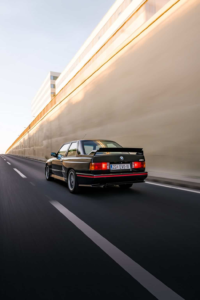
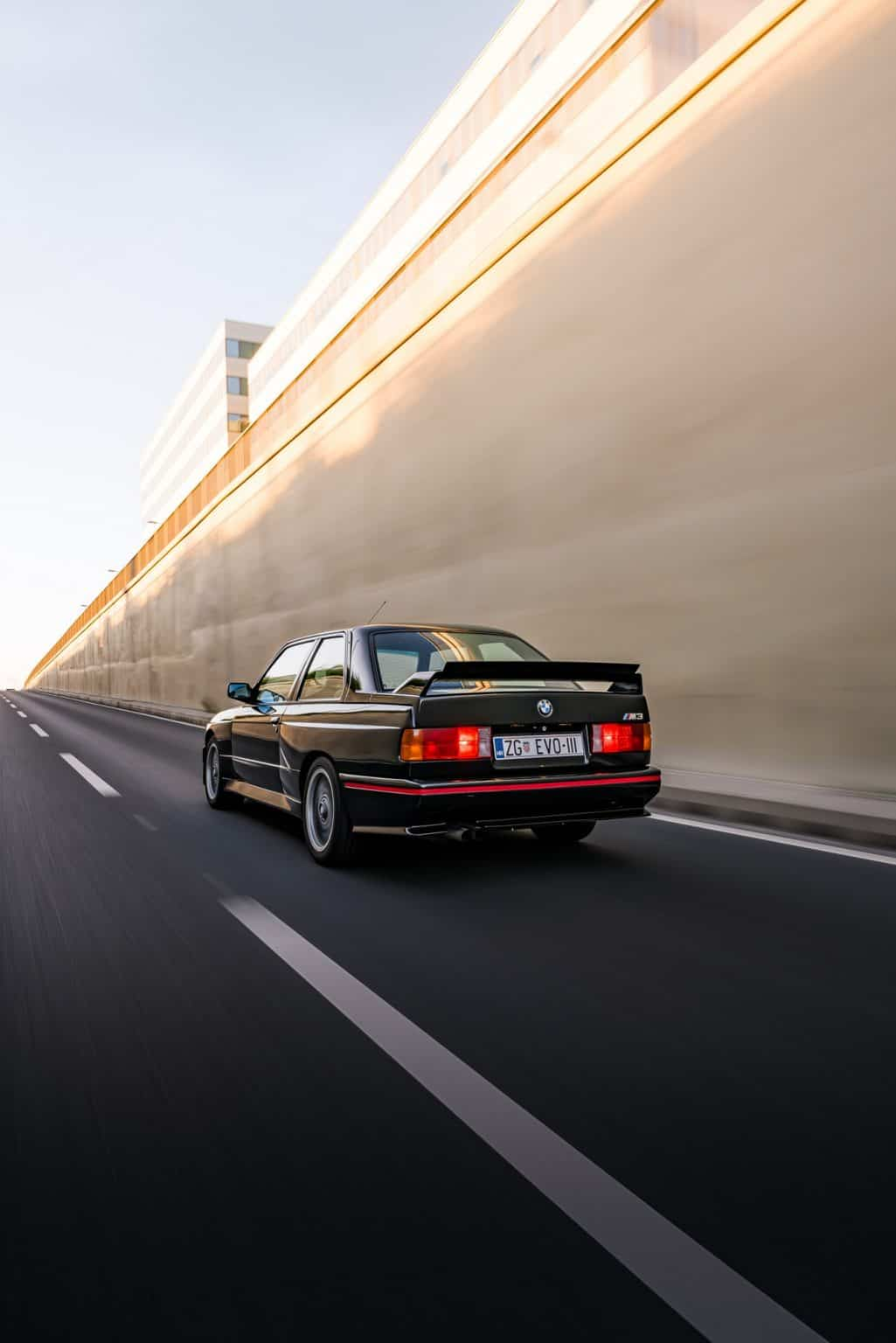
When Rimac turned 18, he bought his first car: a BMW E30 3 Series. It was not an M3, but a less powerful 323 in rough condition, with substantial rust.
His reason for choosing the car was straightforward. It was the cheapest and easiest way to get into racing. Rimac entered two amateur-level drift events, but his early motorsport efforts were cut short when the engine blew up.
Rather than scrap the BMW, he decided to convert it to electric power. The project would eventually change his life.
From a Mocked Electric BMW to a Racing Competitor
At the time, electric vehicles were practically unheard of in Croatia. When Rimac arrived at the racetrack with his green E30, which had electronics-related stickers on its doors, some people thought he was joking.
Others mocked him for bringing what they effectively considered a washing machine to a racing event. But Rimac continued improving the car, making it faster with every outing.
Eventually, the other competitors stopped laughing and began taking him seriously. Some even wanted him placed in a separate category because he was becoming too quick.
The Garage Project That Became a Global Automotive Company
Rimac described those early days working in the garage as perhaps the best period of his life. He initially worked alone, without proper tools or even the ability to weld, before a few friends joined him.
One of them, Igor, had access to a better-equipped garage, where the two began developing the electric BMW together.
A few months later, Rimac founded his company. What began as a teenager’s garage project eventually grew into a major technology supplier for the global automotive industry.
The story has come full circle: BMW, the brand Rimac admired as a child, is now one of his company’s customers.
How Rimac Technology Is Helping BMW Develop EVs
The BMW i7 facelift uses a jointly developed high-voltage battery system that combines BMW’s sixth-generation cylindrical cells with its established fifth-generation module technology.
Rimac Technology manufactures the batteries at its campus in Croatia before shipping them to BMW’s Dingolfing plant in Germany for vehicle assembly.
BMW and Rimac are also working on two additional projects. One of them likely involves the i5 facelift coming in 2027.
Rimac’s journey from converting an old BMW 323 into an electric race car to supplying battery technology to the automaker he idolized illustrates how his early passion for cars became the foundation of his business.