
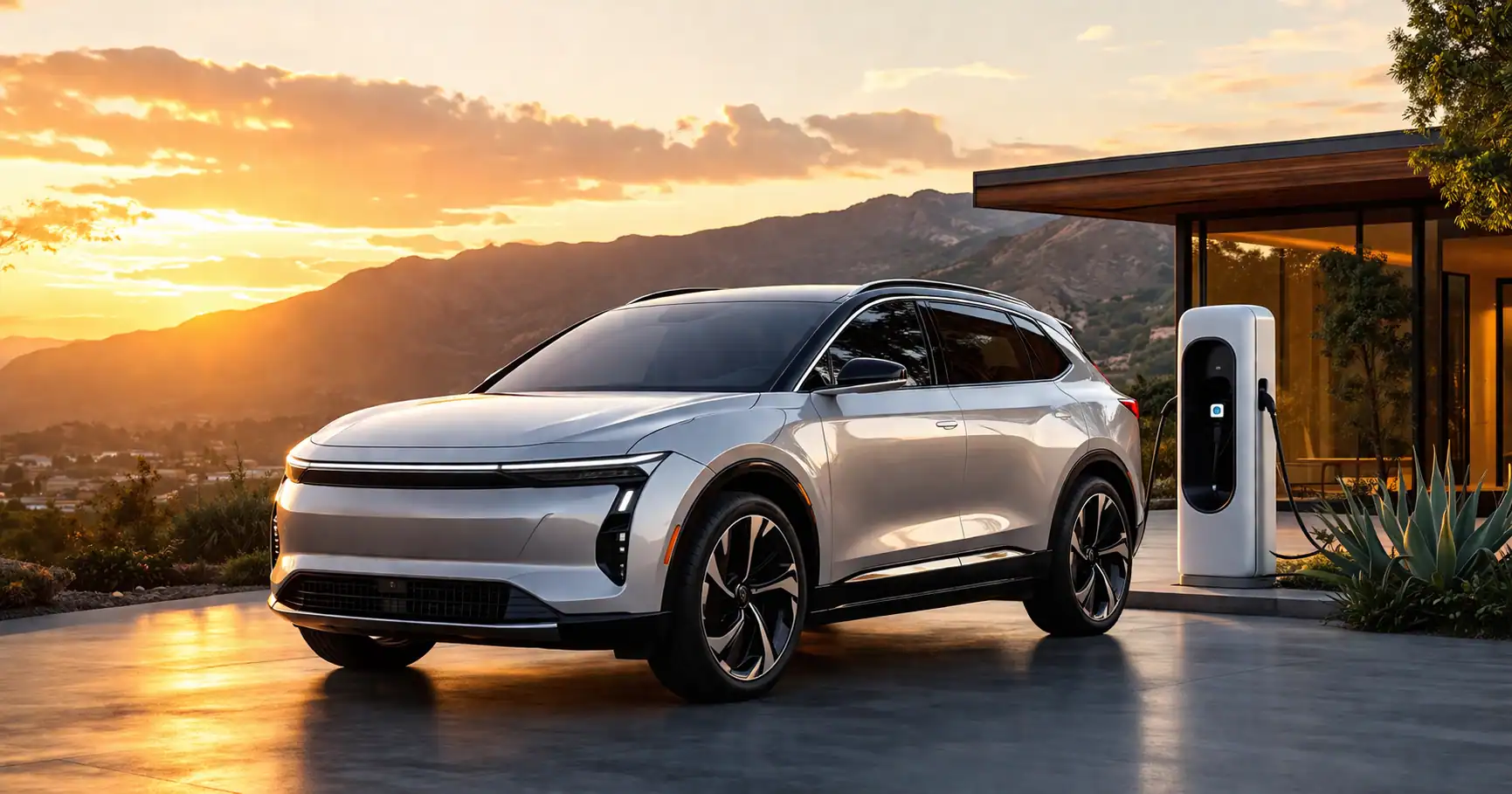
Electric SUVs are no longer a niche category reserved for early adopters and technology enthusiasts. In 2026, they have become one of the fastest-growing segments in the automotive industry, attracting families, commuters, outdoor adventurers, and luxury buyers alike.
Thanks to longer driving ranges, faster charging capabilities, improved battery technology, and increasing competition among automakers, today’s electric SUVs offer a compelling alternative to traditional gasoline-powered vehicles. What once seemed like a futuristic concept has evolved into a practical transportation solution for millions of drivers across the United States.
Consumers shopping for Electric SUVs now have more choices than ever before. Whether you’re looking for an affordable daily commuter, a spacious family hauler, a luxury crossover packed with technology, or a high-performance SUV capable of sports-car acceleration, there is likely an electric model designed specifically for your needs.
This comprehensive guide explores everything buyers need to know about Electric SUVs in 2026, including their advantages, limitations, charging options, battery technology, ownership costs, and the top models available today.
What Is an Electric SUV?
An electric SUV is a sport utility vehicle powered entirely by electricity stored in a rechargeable battery pack. Unlike traditional SUVs that rely on internal combustion engines fueled by gasoline or diesel, electric SUVs use electric motors to drive the wheels.
Most modern electric SUVs belong to the category known as Battery Electric Vehicles (BEVs), meaning they produce zero tailpipe emissions and operate without gasoline.
How Electric SUVs Work
The operation of an electric SUV is surprisingly straightforward. Energy stored in a large lithium-ion battery pack powers one or more electric motors. These motors convert electrical energy into mechanical motion, propelling the vehicle forward.
When drivers lift off the accelerator or apply the brakes, regenerative braking systems capture kinetic energy and send it back to the battery, improving efficiency and extending range.
Main Components of an Electric SUV
- High-voltage battery pack
- Electric motor or dual-motor system
- Power inverter
- Charging port
- Thermal management system
- Regenerative braking technology
Types of Electric SUVs
Battery Electric SUVs (BEVs)
BEVs operate entirely on electricity and require charging from external power sources. They produce no tailpipe emissions and represent the purest form of vehicle electrification.
Examples include:
Plug-In Hybrid SUVs (PHEVs)
Plug-in hybrid SUVs combine an electric motor with a gasoline engine. Drivers can travel short distances using electricity before the gasoline engine activates.
Although PHEVs offer flexibility, they do not provide the same environmental benefits or simplicity as fully electric SUVs.
Why Electric SUVs Are Becoming So Popular
The rapid growth of Electric SUVs is driven by multiple factors. Consumers are increasingly looking for vehicles that combine efficiency, practicality, and modern technology without sacrificing comfort or performance.
Lower Operating Costs
Electricity generally costs less than gasoline on a per-mile basis. Drivers who charge at home often save hundreds or even thousands of dollars annually compared to owners of gasoline-powered SUVs.
Reduced Maintenance
Electric vehicles contain significantly fewer moving parts than traditional vehicles. There are no oil changes, spark plugs, timing belts, fuel injectors, or exhaust systems to maintain.
This simplicity often translates into lower long-term maintenance expenses.
Instant Torque and Better Acceleration
One of the most impressive characteristics of Electric SUVs is their immediate torque delivery. Unlike gasoline engines that require revving to build power, electric motors provide maximum torque almost instantly.
This results in quick acceleration, smooth driving behavior, and responsive performance.
Environmental Benefits
Electric SUVs produce zero direct emissions while driving. For environmentally conscious consumers, this reduction in greenhouse gas emissions can significantly lower their transportation-related carbon footprint.
Advantages of Owning an Electric SUV
1. Fuel Savings
Charging an electric SUV often costs substantially less than filling a gasoline tank. Depending on local electricity rates and driving habits, annual savings can be significant.
2. Home Charging Convenience
Many owners appreciate waking up each morning to a fully charged vehicle. Home charging eliminates frequent trips to gas stations and simplifies daily transportation.
3. Quiet Cabin Experience
Without engine noise, electric SUVs provide a remarkably quiet driving environment. This improves comfort on long road trips and daily commutes.
4. Advanced Technology Features
Most electric SUVs serve as technological flagships for automakers. Buyers often gain access to:
- Large infotainment displays
- Over-the-air software updates
- Advanced driver assistance systems
- Smartphone integration
- Connected vehicle services
5. Strong Resale Potential
As EV adoption increases, many electric SUVs are maintaining competitive resale values, particularly models with strong brand recognition and long driving ranges.
Potential Drawbacks of Electric SUVs
Despite their numerous advantages, electric SUVs are not perfect for every buyer.
Higher Initial Purchase Price
Although pricing continues to improve, many electric SUVs still cost more upfront than comparable gasoline-powered alternatives.
Charging Infrastructure Limitations
While public charging networks are expanding rapidly, availability varies by region. Rural drivers may encounter fewer fast-charging options compared to those living in urban areas.
Charging Time
Even the fastest charging systems require more time than a typical gasoline fill-up. Road trip planning remains an important consideration for EV owners.
Cold Weather Range Reduction
Battery performance can decrease during extremely cold temperatures, reducing overall driving range and increasing charging requirements.
How to Choose the Right Electric SUV
Selecting the ideal electric SUV depends on your lifestyle, budget, driving habits, and performance expectations.
Driving Range
Range remains one of the most important considerations for EV buyers. Most modern electric SUVs offer between 250 and 350 miles of EPA-estimated driving range.
Charging Speed
Fast charging capability can dramatically improve convenience during long-distance travel. Some vehicles can add over 150 miles of range in less than 20 minutes.
Interior Space
Families should carefully evaluate passenger comfort, third-row seating availability, cargo capacity, and storage flexibility.
Safety Ratings
Look for high crash-test scores and advanced safety technologies including:
- Automatic emergency braking
- Blind-spot monitoring
- Adaptive cruise control
- Lane-keeping assistance
- Rear cross-traffic alerts
Budget Considerations
Buyers should evaluate both purchase price and total ownership costs, including electricity, insurance, maintenance, and depreciation.
Best Electric SUVs in 2026
The electric SUV market has become increasingly competitive. Several models stand out for their combination of range, technology, performance, practicality, and value.
Tesla Model Y
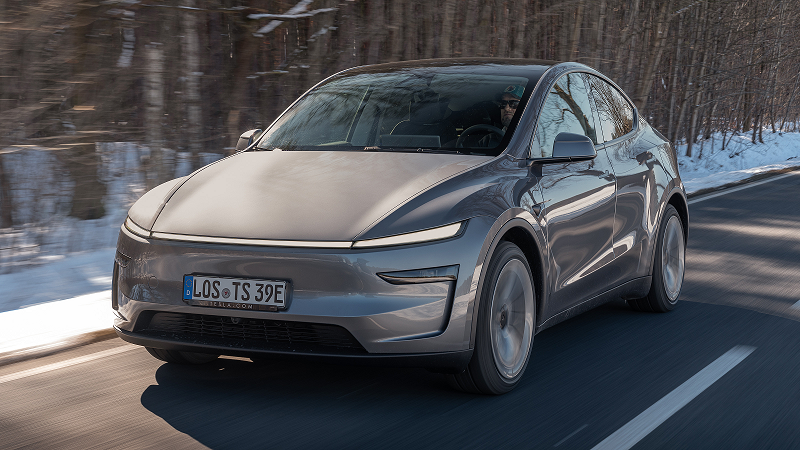
The Tesla Model Y continues to dominate EV sales thanks to its excellent range, extensive charging network access, spacious interior, and strong software ecosystem.
- Range: Up to 330+ miles
- Seating: Up to 7 passengers
- Fast Charging Capability
- Advanced Driver Assistance Features
The Model Y remains one of the most well-rounded Electric SUVs available in 2026.
Hyundai Ioniq 9

The Hyundai Ioniq 9 enters the market as one of the most practical three-row electric SUVs available in 2026. Built on Hyundai’s advanced E-GMP platform, it combines family-friendly utility with impressive charging capabilities.
- Three-row seating
- Ultra-fast 800-volt charging architecture
- Spacious interior
- Advanced driver assistance technologies
- Competitive driving range
For families transitioning to electric vehicles, the Ioniq 9 represents one of the strongest alternatives to traditional midsize SUVs.
Kia EV9

The Kia EV9 has quickly established itself as one of the most influential electric SUVs on the market. Its bold styling, spacious cabin, and family-focused design make it particularly attractive to buyers seeking a practical electric vehicle.
- Three rows of seating
- Modern technology features
- Fast charging support
- Strong safety ratings
- Premium interior materials
The EV9 proves that electric SUVs can successfully combine efficiency, comfort, and versatility.
Chevrolet Equinox EV

Affordability remains one of the Equinox EV’s biggest strengths. Chevrolet designed this model to bring electric mobility to a broader audience without sacrificing practicality.
- Affordable pricing
- Competitive range
- User-friendly technology
- Comfortable ride quality
- Generous cargo capacity
For budget-conscious buyers, the Equinox EV may represent one of the best values in the electric SUV segment.
Ford Mustang Mach-E
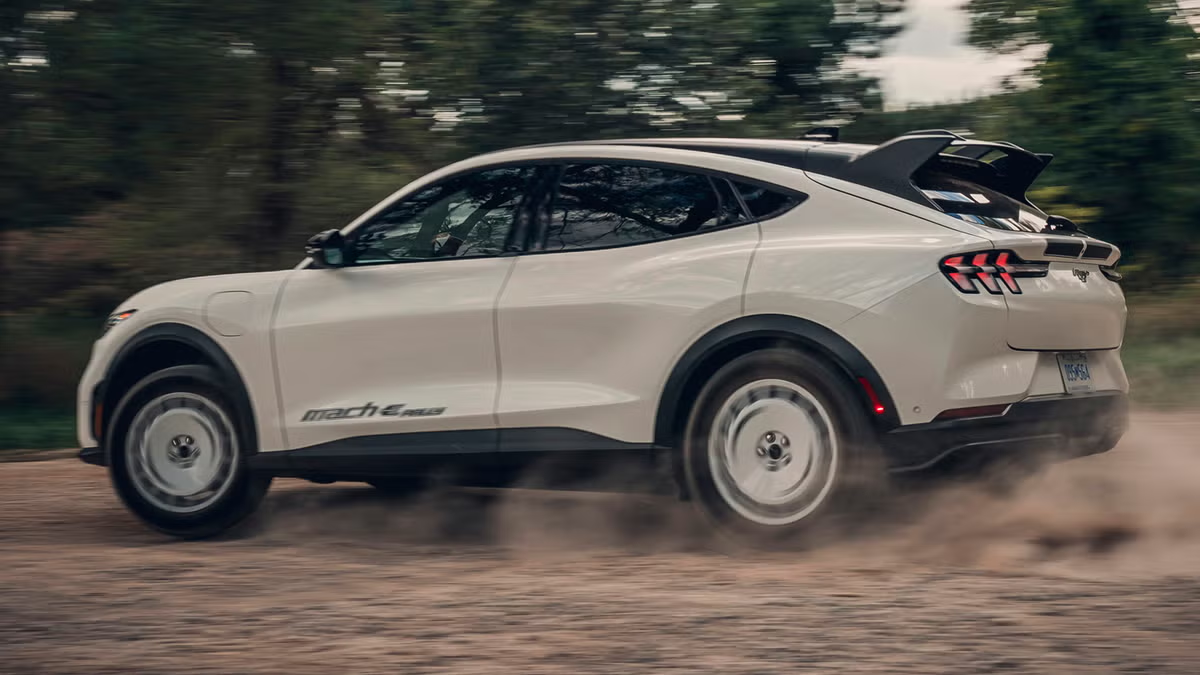
The Mustang Mach-E blends SUV practicality with sporty driving dynamics. Despite sharing its name with the legendary Mustang, the Mach-E successfully establishes its own identity.
- Multiple powertrain options
- Strong acceleration
- Modern infotainment system
- Excellent range choices
- Available performance variants
Drivers seeking a more engaging driving experience often place the Mach-E near the top of their shopping lists.
Rivian R1S
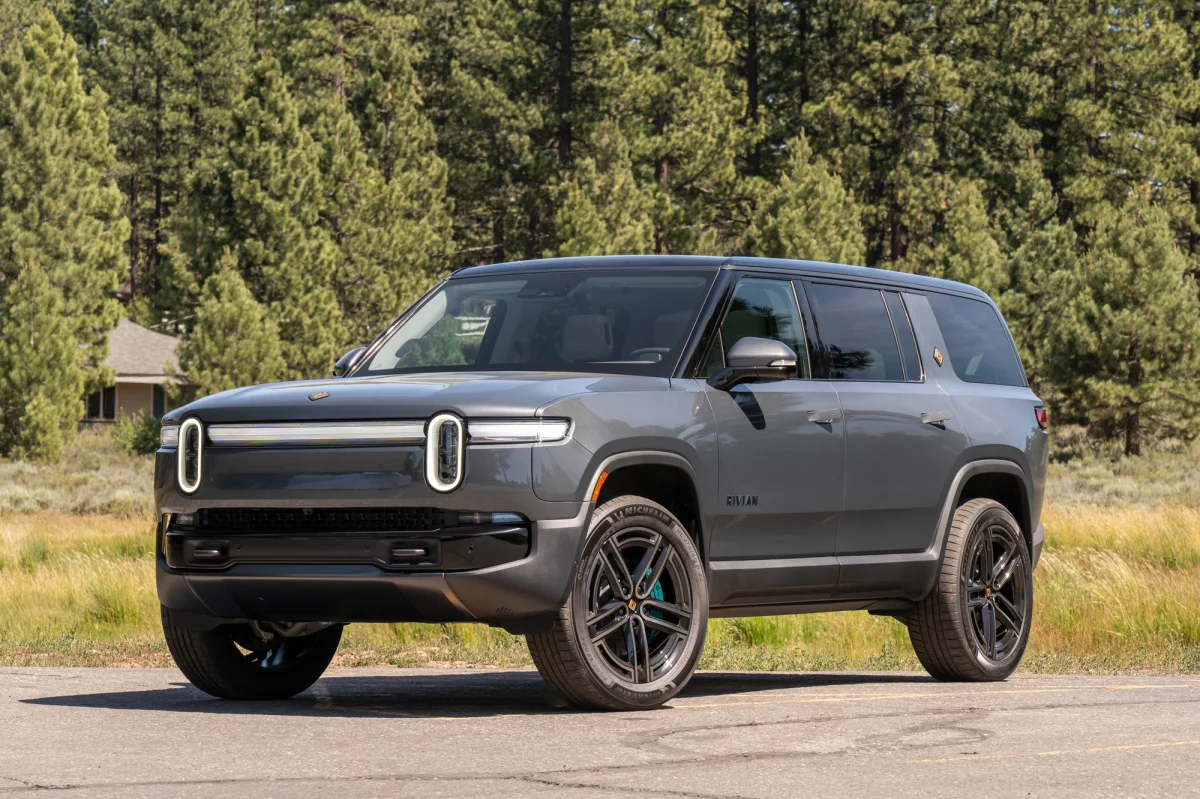
Adventure-focused buyers frequently gravitate toward the Rivian R1S. Designed with outdoor enthusiasts in mind, this premium electric SUV delivers exceptional capability on and off the pavement.
- Exceptional off-road capability
- Three-row seating
- Premium interior
- Powerful electric drivetrain
- Advanced technology package
The R1S demonstrates that electric SUVs can be both luxurious and rugged.
Volkswagen ID.4
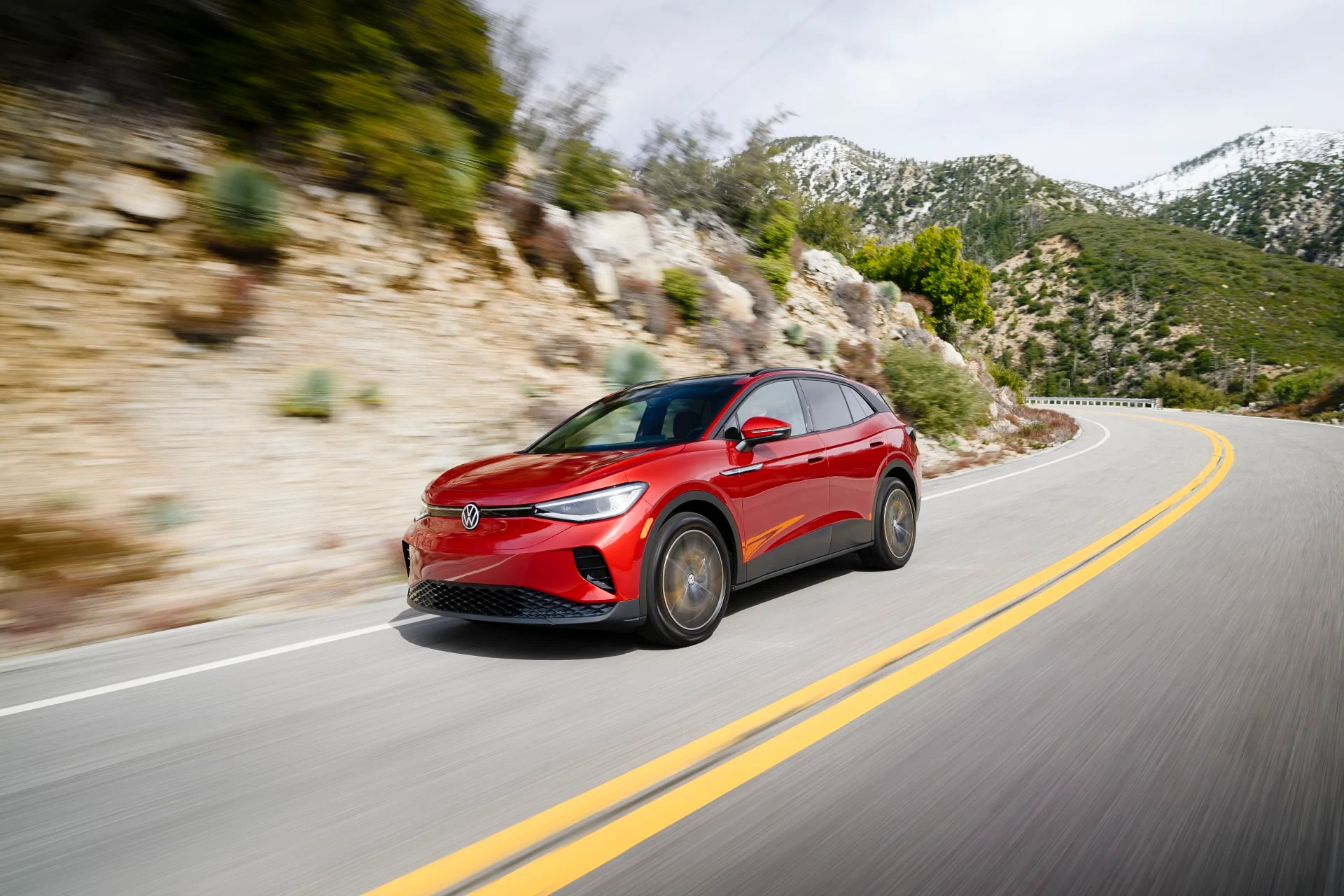
Volkswagen’s ID.4 remains one of the most accessible electric SUVs available. It emphasizes comfort, practicality, and ease of use rather than extreme performance.
- Comfortable ride quality
- Spacious cabin
- Competitive pricing
- User-friendly controls
- Good efficiency ratings
Honda Prologue
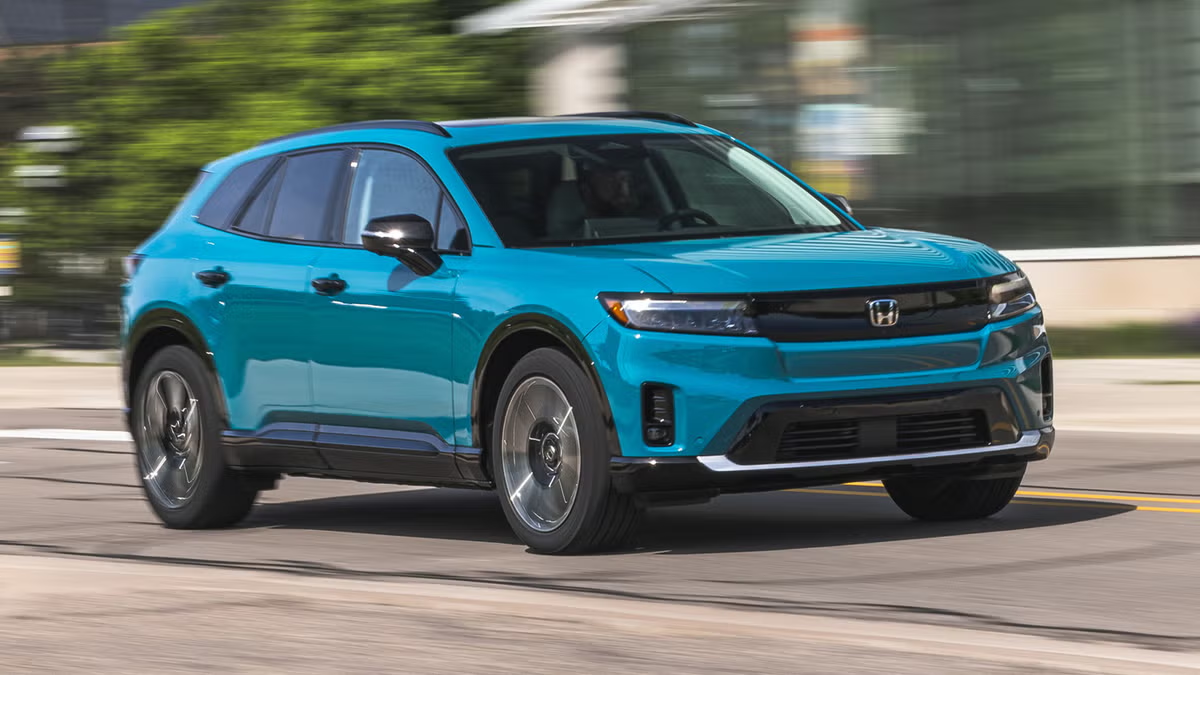
Honda’s first major entry into the modern EV SUV market combines familiar Honda reliability with contemporary electric vehicle technology.
- Comfort-focused design
- Practical driving range
- Simple technology interface
- Strong safety features
- Family-friendly packaging
Acura ZDX
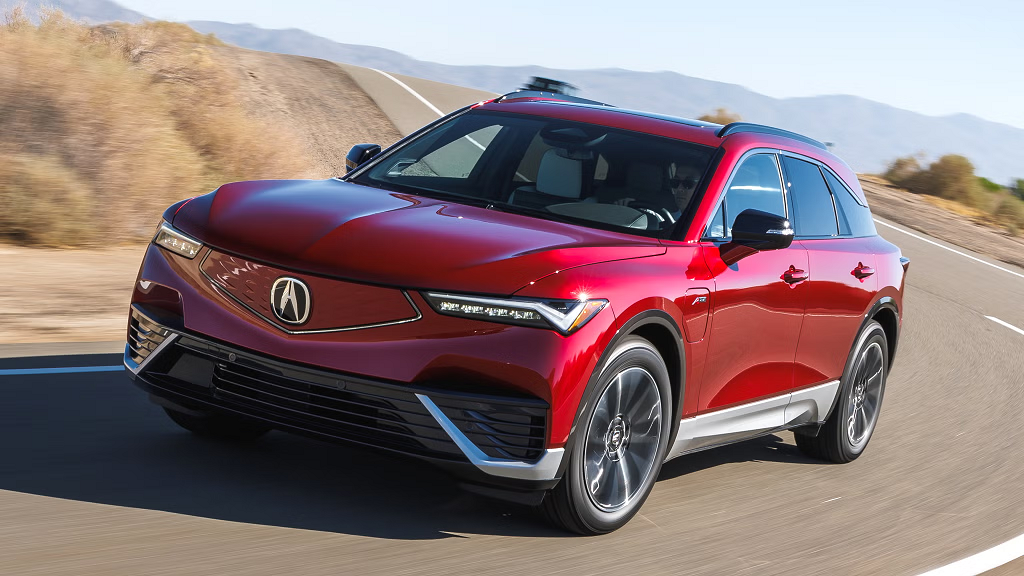
Luxury buyers seeking a premium electric SUV experience should consider the Acura ZDX. It combines upscale amenities with strong performance and advanced technology.
- Premium cabin materials
- Luxury-oriented ride quality
- Advanced infotainment features
- High-performance variants available
- Comprehensive safety technologies
BMW iX
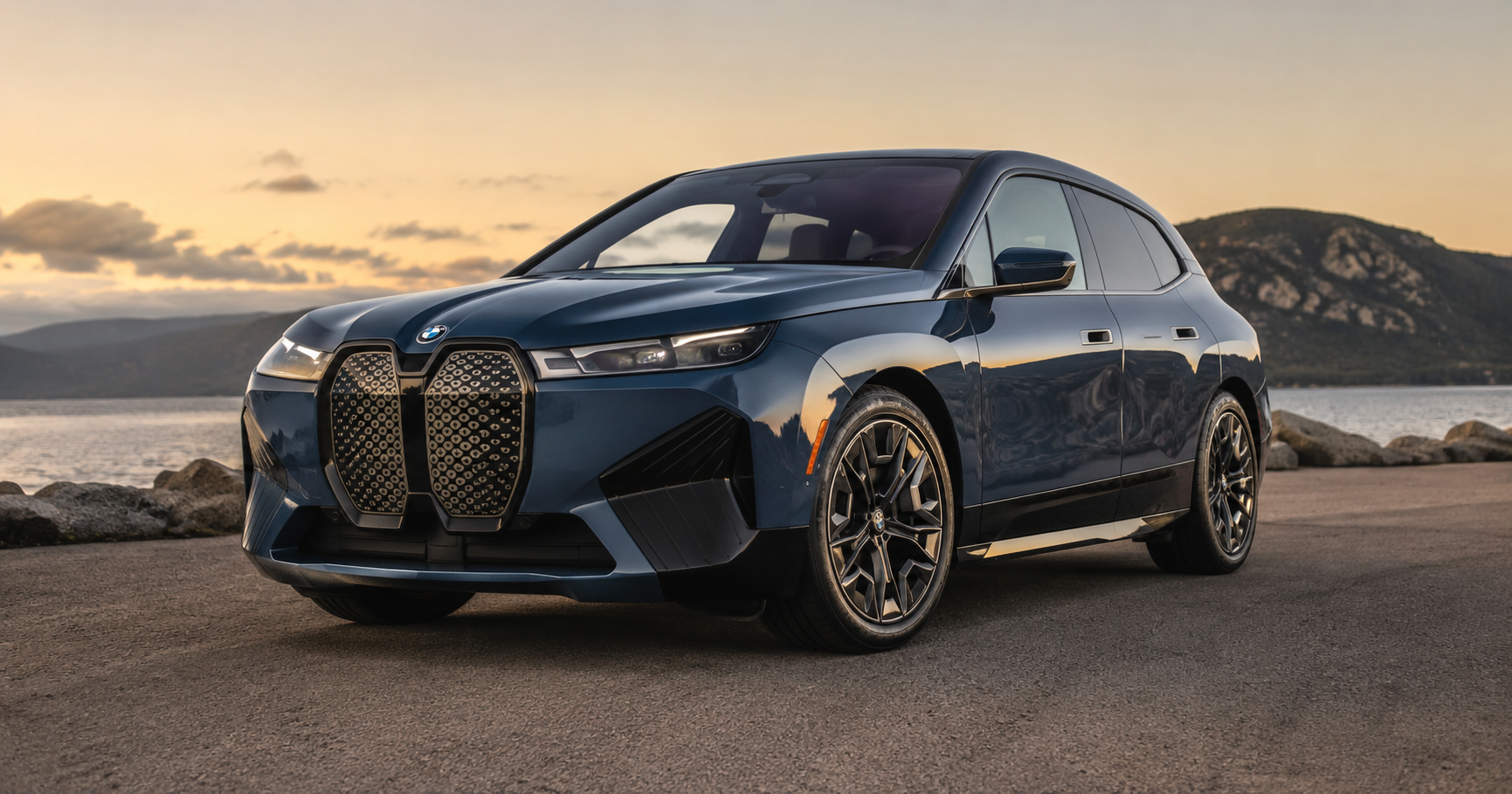
The BMW iX represents one of the most technologically advanced luxury electric SUVs currently available. Its futuristic design and refined driving experience help it stand apart from competitors.
- Luxury-focused interior
- Powerful electric drivetrain
- Long driving range
- Innovative technology features
- Exceptional ride comfort
Electric SUV Comparison Table
| Model | Estimated Range | Seating Capacity | Charging Speed | Category |
|---|---|---|---|---|
| Tesla Model Y | 330+ miles | 5-7 | Excellent | Best Overall |
| Kia EV9 | 300+ miles | 6-7 | Excellent | Family SUV |
| Hyundai Ioniq 9 | 300+ miles | 6-7 | Excellent | Family SUV |
| Ford Mustang Mach-E | 300+ miles | 5 | Very Good | Performance |
| Chevrolet Equinox EV | 300+ miles | 5 | Very Good | Value |
| Rivian R1S | 300+ miles | 7 | Excellent | Adventure |
Electric SUVs With the Longest Range
Range anxiety has declined significantly over the past several years as battery technology continues to improve. Many modern electric SUVs now exceed 300 miles of EPA-estimated range.
Top Long-Range Electric SUVs
- Tesla Model Y
- BMW iX
- Rivian R1S
- Ford Mustang Mach-E
- Kia EV9
Factors That Affect Real-World Range
- Driving speed
- Outside temperature
- Vehicle load
- Terrain
- Tire condition
- Use of climate controls
Drivers should remember that EPA estimates represent standardized testing conditions and may differ from real-world experiences.
Most Affordable Electric SUVs
As competition increases, affordability is becoming one of the strongest growth drivers in the EV market.
Top Budget-Friendly Electric SUVs
- Chevrolet Equinox EV
- Volkswagen ID.4
- Hyundai Kona Electric
- Kia Niro EV
- Nissan Ariya (select trims)
These models provide a balance of range, practicality, and value for first-time EV buyers.
Luxury Electric SUVs Worth Considering
Luxury brands have embraced electrification aggressively, resulting in some of the most advanced SUVs ever built.
Top Luxury Electric SUVs
- BMW iX
- Acura ZDX
- Cadillac Lyriq
- Mercedes-Benz EQE SUV
- Audi Q8 e-tron
These vehicles emphasize comfort, premium materials, cutting-edge technology, and exceptional refinement.
Best Electric SUVs for Families
Families often prioritize space, safety, convenience, and long-distance comfort when shopping for a vehicle.
Family-Friendly Features to Look For
- Third-row seating
- Large cargo area
- Advanced safety systems
- Rear-seat charging ports
- Flexible seating configurations
- Excellent crash-test ratings
Top Family Electric SUVs
- Kia EV9
- Hyundai Ioniq 9
- Tesla Model Y
- Rivian R1S
- Honda Prologue
Best Electric SUVs for Performance
Electric powertrains provide instant torque, making many EVs quicker than traditional performance SUVs.
Performance Leaders
- Tesla Model Y Performance
- Ford Mustang Mach-E GT
- BMW iX M60
- Rivian R1S Quad Motor
- Acura ZDX Type S
Several of these models can accelerate from 0 to 60 mph in less than four seconds.
Charging an Electric SUV
Charging is one of the most important aspects of electric vehicle ownership. Fortunately, charging infrastructure across the United States continues to expand rapidly, making it easier than ever to own an electric SUV.
Level 1 Charging
Level 1 charging uses a standard 120-volt household outlet. While convenient, it is the slowest charging method available.
- Typically adds 2–5 miles of range per hour
- No special equipment required
- Best for low-mileage drivers
Level 2 Charging
Most EV owners install a Level 2 charger at home. These chargers use 240-volt power and significantly reduce charging times.
- Adds 20–50 miles of range per hour
- Ideal for overnight charging
- Most practical home charging solution
DC Fast Charging
DC fast chargers are designed for long-distance travel. Depending on the vehicle and charging station, they can add hundreds of miles of range in a short period.
- Can add 150–200 miles in approximately 20–30 minutes
- Available on major highway corridors
- Essential for road trips
How Much Does Charging Cost?
Electricity costs vary by region, utility provider, and charging location. Home charging is usually the least expensive option, while public DC fast charging often costs more.
Even so, many owners find that charging an electric SUV costs significantly less than fueling a comparable gasoline-powered SUV.
Electric SUV Battery Life
Battery durability is one of the most common concerns among potential EV buyers. Fortunately, modern battery technology has proven remarkably reliable.
How Long Do EV Batteries Last?
Most manufacturers design battery packs to last well beyond 100,000 miles. Many modern electric vehicle batteries are expected to remain functional for 10–15 years or more under normal conditions.
Battery Warranties
Most automakers provide battery warranties covering at least eight years or 100,000 miles. Some manufacturers offer even longer coverage periods.
Factors That Affect Battery Health
- Frequent DC fast charging
- Extreme temperatures
- Long-term storage at full charge
- High annual mileage
- Charging habits
Tips for Maximizing Battery Life
- Avoid leaving the battery at 100% for extended periods
- Use home charging whenever possible
- Park in shaded or climate-controlled areas
- Follow manufacturer charging recommendations
- Keep vehicle software updated
Cost of Owning an Electric SUV
When evaluating a vehicle purchase, buyers should look beyond the sticker price and consider the total cost of ownership.
Purchase Price
Electric SUVs often carry a higher upfront cost than comparable gasoline models. However, this gap continues to narrow as battery costs decline and competition increases.
Fuel Savings
Electricity generally costs less per mile than gasoline. Drivers who travel long distances each year can often recover a significant portion of the higher purchase price through fuel savings.
Maintenance Savings
Electric SUVs eliminate many routine maintenance items associated with internal combustion engines.
Typical maintenance savings may include:
- No oil changes
- No spark plug replacements
- No exhaust system repairs
- Reduced brake wear thanks to regenerative braking
Insurance Costs
Insurance premiums vary by location, driver profile, and vehicle model. Some electric SUVs may cost more to insure due to higher repair costs and advanced technology systems.
Total Cost of Ownership
For many buyers, lower operating expenses help offset the initial purchase price over several years of ownership.
The exact savings depend on driving habits, electricity rates, fuel prices, and local incentives.
Electric SUVs vs Gas-Powered SUVs
Choosing between an electric SUV and a traditional gasoline-powered SUV depends on individual needs and priorities.
Fuel Costs
Electric SUVs generally offer lower operating costs because electricity is often less expensive than gasoline on a per-mile basis.
Maintenance Requirements
Electric vehicles contain fewer moving parts, resulting in fewer maintenance requirements and potentially lower long-term repair costs.
Driving Experience
Electric SUVs provide smooth acceleration, instant torque, and quiet operation. Gasoline vehicles may still offer advantages in refueling speed and towing in certain situations.
Environmental Impact
Electric SUVs produce zero tailpipe emissions. Their overall environmental impact depends on factors such as electricity generation sources and manufacturing processes.
Road Trip Convenience
Gas-powered SUVs currently offer faster refueling. However, expanding charging infrastructure continues to improve the practicality of long-distance EV travel.
The Future of Electric SUVs
The electric SUV segment is expected to remain one of the most dynamic areas of the automotive industry throughout the remainder of the decade.
Improved Battery Technology
Automakers and battery manufacturers continue investing heavily in next-generation battery technologies that promise:
- Longer range
- Faster charging
- Lower costs
- Improved durability
- Enhanced safety
More Affordable Models
As production scales increase and battery prices decline, consumers can expect a broader selection of affordable electric SUVs.
Expanded Charging Networks
Public charging infrastructure continues to grow across North America. Increased charger availability should further reduce concerns about long-distance travel.
Advanced Driver Assistance Systems
Future electric SUVs will likely feature increasingly sophisticated driver assistance technologies, including improved semi-autonomous driving capabilities.
Greater Market Competition
Virtually every major automaker is investing heavily in electric vehicle development. This competition should benefit consumers through improved products, lower prices, and accelerated innovation.
Final Verdict
Electric SUVs have evolved from niche products into mainstream vehicles capable of meeting the needs of a wide range of drivers. Whether your priorities include fuel savings, environmental responsibility, family transportation, luxury features, or high performance, there is likely an electric SUV that fits your lifestyle.
The Tesla Model Y continues to stand out as one of the most balanced options overall, while the Kia EV9 and Hyundai Ioniq 9 excel as family-oriented choices. Budget-conscious shoppers may find tremendous value in the Chevrolet Equinox EV, while luxury buyers can explore premium offerings such as the BMW iX and Acura ZDX.
As battery technology improves, charging networks expand, and vehicle prices become more competitive, Electric SUVs are positioned to play an increasingly important role in the future of transportation.
Frequently Asked Questions
Are Electric SUVs Worth Buying in 2026?
For many drivers, yes. Electric SUVs offer lower operating costs, reduced maintenance requirements, advanced technology features, and excellent driving performance.
Which Electric SUV Has the Longest Range?
Range rankings change frequently as new models are introduced. Several leading electric SUVs now offer more than 300 miles of EPA-estimated range.
How Long Does It Take to Charge an Electric SUV?
Charging times vary based on charger type and vehicle capability. DC fast chargers can often add substantial range in less than 30 minutes, while home charging is typically completed overnight.
How Long Do Electric SUV Batteries Last?
Most modern EV batteries are expected to last 10–15 years or longer and are commonly backed by warranties of at least eight years.
Do Electric SUVs Require Less Maintenance?
Yes. Electric vehicles eliminate many traditional maintenance requirements, including oil changes and several engine-related services.
Can Electric SUVs Be Used for Road Trips?
Absolutely. Modern electric SUVs offer increasingly long ranges and benefit from expanding fast-charging networks across the United States.
What Is the Best Family Electric SUV?
The Kia EV9 and Hyundai Ioniq 9 are widely considered among the best family-oriented electric SUVs due to their spacious three-row interiors and practical features.
Are Electric SUVs More Expensive Than Gas SUVs?
They often have higher upfront purchase prices, but lower fuel and maintenance costs may help offset the difference over time.