
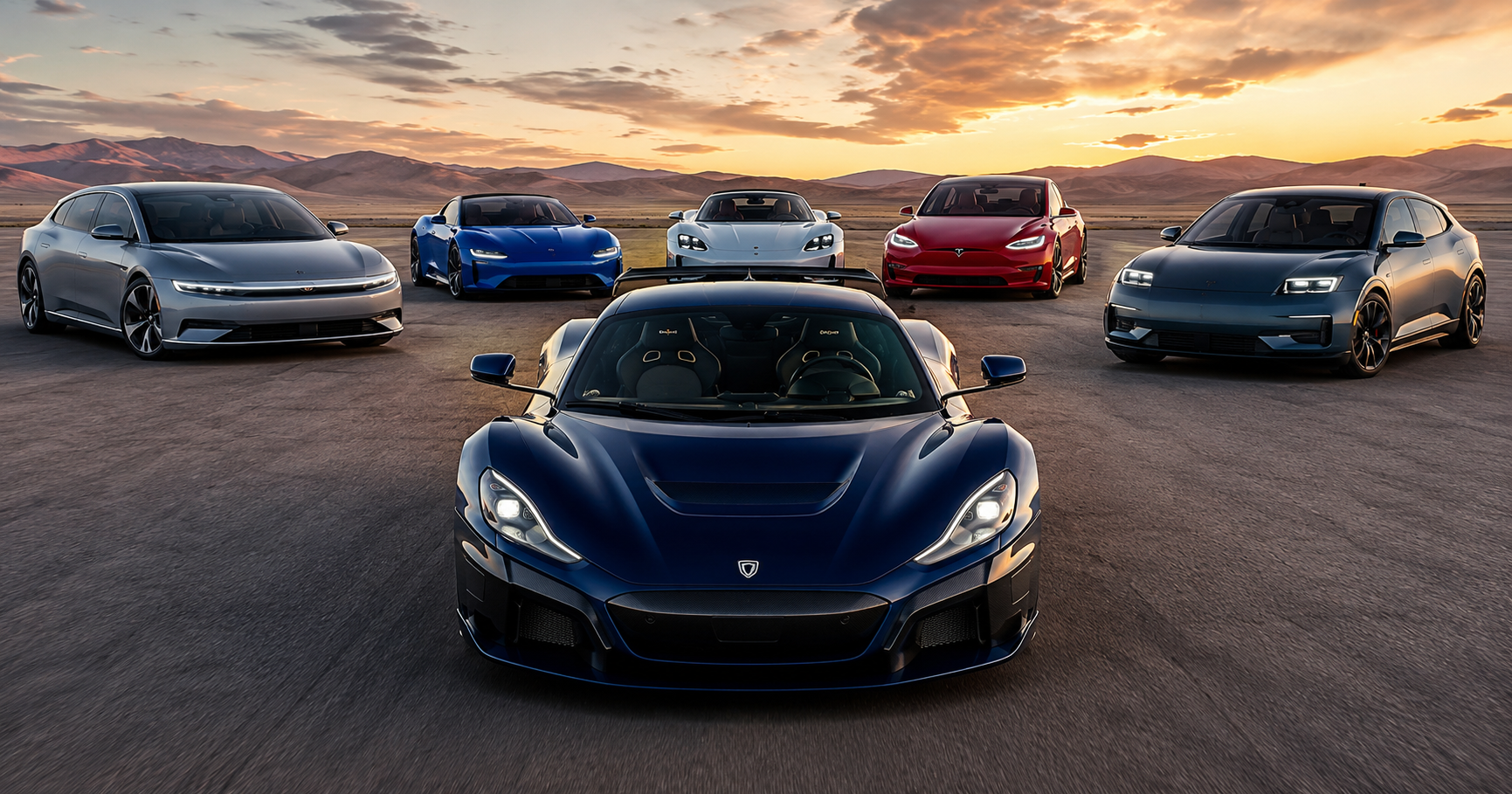
Electric performance has entered a completely new era. In 2026, the fastest EVs are no longer niche engineering experiments — they are redefining what speed means for production cars. From hypercars capable of launching harder than Formula 1 machines to luxury sedans delivering supercar acceleration with four doors and usable range, the modern electric vehicle market is moving at breathtaking speed.
This fastest EVs 2026 review examines seven of the quickest electric cars tested this year, analyzing acceleration, handling, top speed, real-world usability, and performance value. Whether you’re searching for a track-focused monster or a luxury electric grand tourer with hypercar numbers, these EVs represent the cutting edge of automotive engineering.
Why Electric Cars Are So Fast in 2026
The biggest advantage electric vehicles have over gasoline-powered performance cars is instant torque delivery. Unlike internal combustion engines that need time to build revs and shift gears, EV motors deliver maximum torque immediately.
That means even heavy luxury EVs can launch with shocking force. Advanced battery cooling systems, software-controlled traction management, and multi-motor all-wheel-drive setups now allow modern EVs to consistently achieve sub-2-second 0-60 mph times.
In simple terms, electric cars have transformed acceleration from a gradual surge into something that feels almost violent.
1. Rimac Nevera — The Ultimate Electric Hypercar
Performance Highlights
- 0-60 mph: 1.74 seconds
- Top Speed: 258 mph
- Powertrain: Quad-motor AWD
- Category: Electric Hypercar
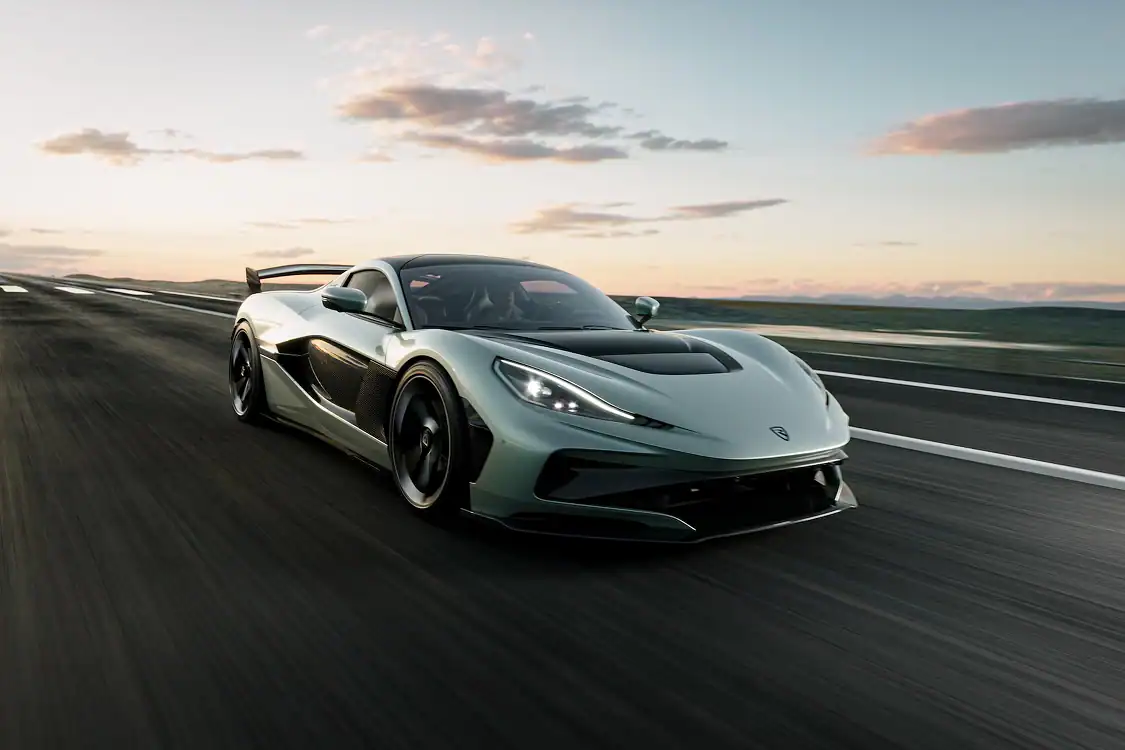
The Rimac Nevera remains the undisputed king of electric acceleration in 2026. Built in Croatia and engineered specifically to shatter performance records, the Nevera combines aerospace-level engineering with staggering power delivery.
Its quad-motor setup independently controls each wheel, delivering insane traction during launches. Drivers describe full-throttle acceleration as physically overwhelming, with the car reaching speeds that would challenge many race cars.
Unlike many hypercars that sacrifice comfort, the Nevera also offers surprising refinement. Inside, it feels more like a futuristic luxury GT than a stripped-out race machine.
What Makes It Special
The Nevera isn’t just fast in a straight line. Its torque-vectoring system constantly adjusts power distribution thousands of times per second, creating astonishing cornering stability at high speeds.
2. Lucid Air Sapphire — The Luxury Rocket
Performance Highlights
- 0-60 mph: 1.89 seconds
- Top Speed: 205 mph
- Horsepower: 1,234 hp
- Range: Over 400 miles
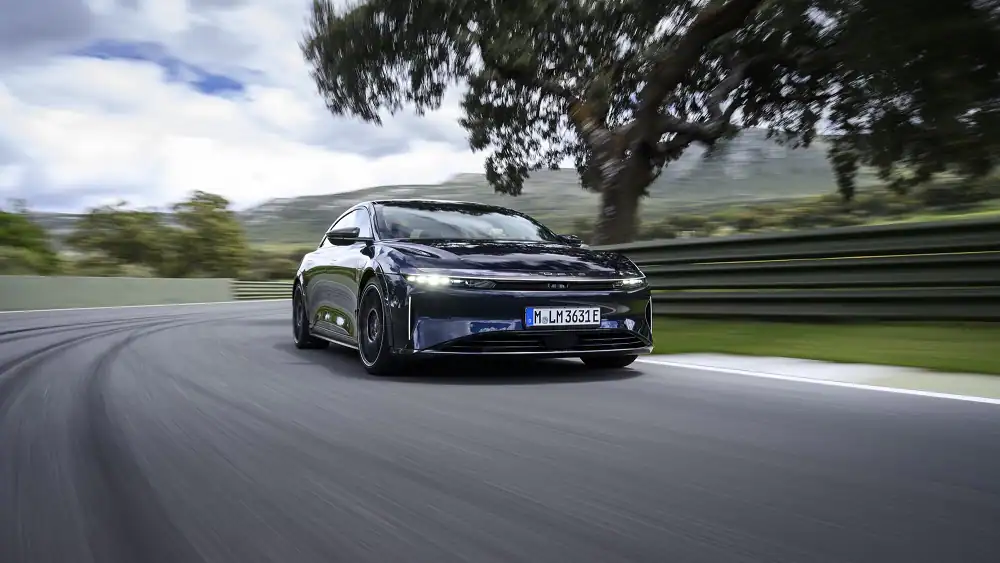
The Lucid Air Sapphire may be the most impressive all-around performance EV in 2026. It combines hypercar acceleration with luxury sedan practicality and one of the longest driving ranges in the segment.
Unlike hardcore track-focused rivals, the Sapphire prioritizes comfort and long-distance usability. The cabin feels ultra-premium, packed with cutting-edge technology and exceptional materials.
Yet when launch control is activated, the Sapphire transforms into one of the quickest production cars ever built.
Best Use Case
If you want a daily-drivable EV capable of humiliating supercars while still handling road trips comfortably, the Sapphire may be the perfect balance.
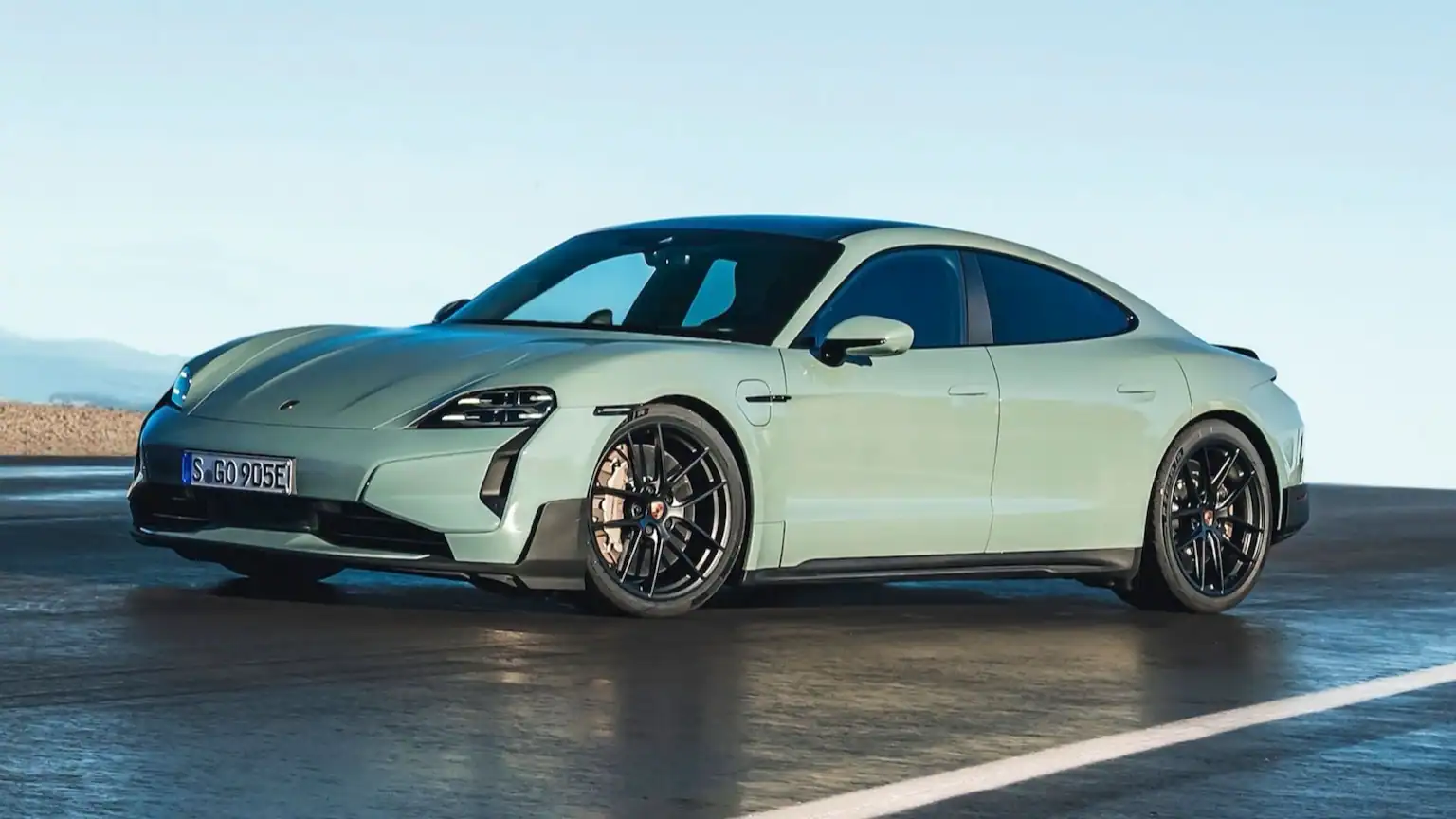
3. Porsche Taycan Turbo GT — The Track Weapon
Performance Highlights
- 0-60 mph: 1.9 to 2.1 seconds
- Top Speed: 190 mph
- Horsepower: 1,019 hp
- Quarter-Mile: Low 9-second range
Porsche engineered the Taycan Turbo GT Weissach Package specifically for track domination. While some EVs focus primarily on straight-line speed, the Taycan combines brutal acceleration with world-class handling precision.
The Active Ride suspension system minimizes body roll and keeps the car remarkably flat during aggressive cornering. Despite weighing over 5,000 pounds, the Taycan Turbo GT behaves with surprising agility.
Many reviewers consider it the sharpest driver’s car among high-performance EVs in 2026.
Why Enthusiasts Love It
- Exceptional steering precision
- Track-ready cooling systems
- Consistent lap performance
- Porsche motorsport engineering pedigree
The downside? The Weissach version sacrifices rear seats and practicality for reduced weight and improved aerodynamics.
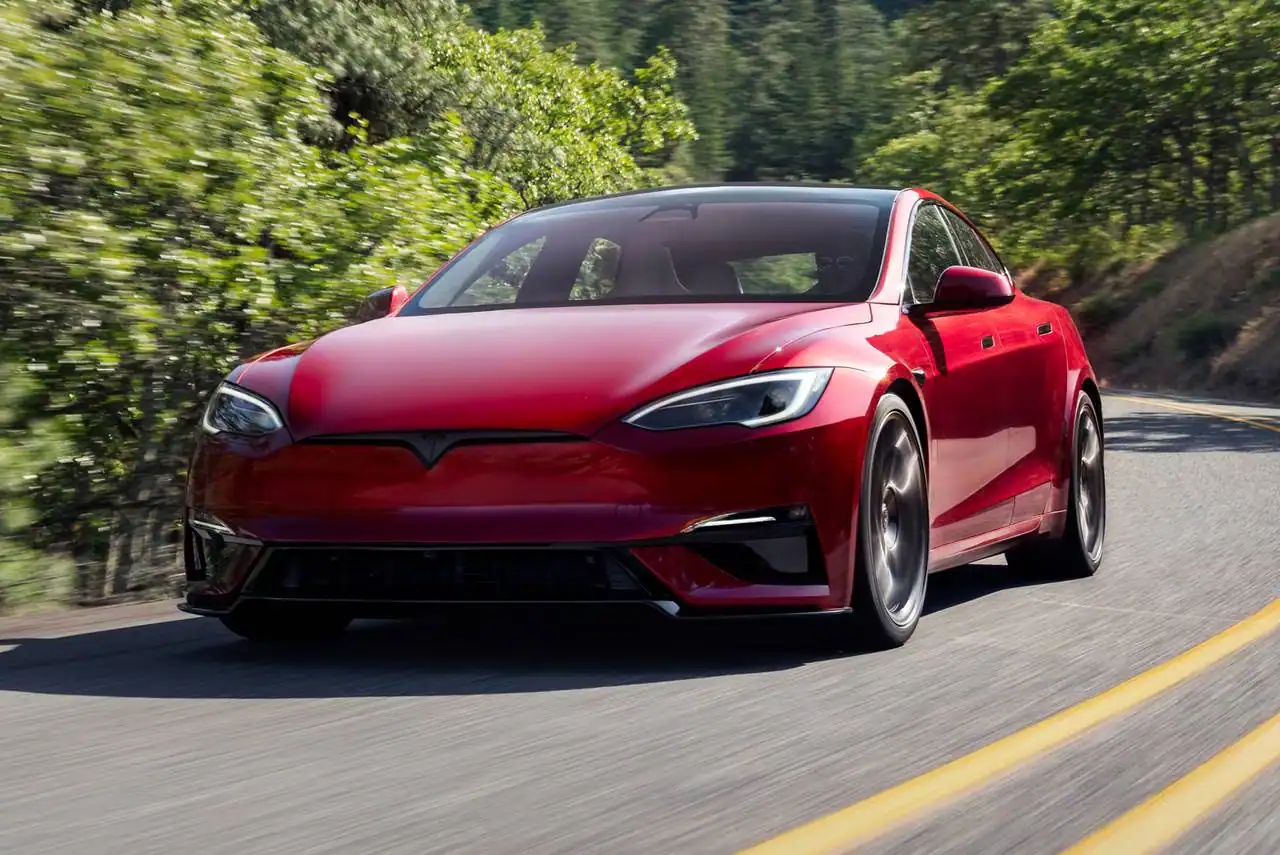
4. Tesla Model S Plaid — Everyday Supercar Performance
Performance Highlights
- 0-60 mph: 1.99 to 2.1 seconds
- Top Speed: 200 mph
- Horsepower: 1,020 hp
- Range: Up to 410 miles EPA
The Tesla Model S Plaid continues to be one of the most accessible ultra-fast EVs in the world. While newer competitors have surpassed it slightly in raw numbers, the Plaid still delivers astonishing acceleration with unmatched practicality.
The 2026 refresh improves ride quality, introduces updated aerodynamic wheels, and adds new styling enhancements including Frost Blue paint.
Tesla’s greatest advantage remains its charging ecosystem. For buyers prioritizing convenience and everyday usability, the Supercharger network remains a major selling point.
Strengths
- Excellent real-world range
- Massive cargo space
- Fast charging infrastructure
- Family-friendly practicality
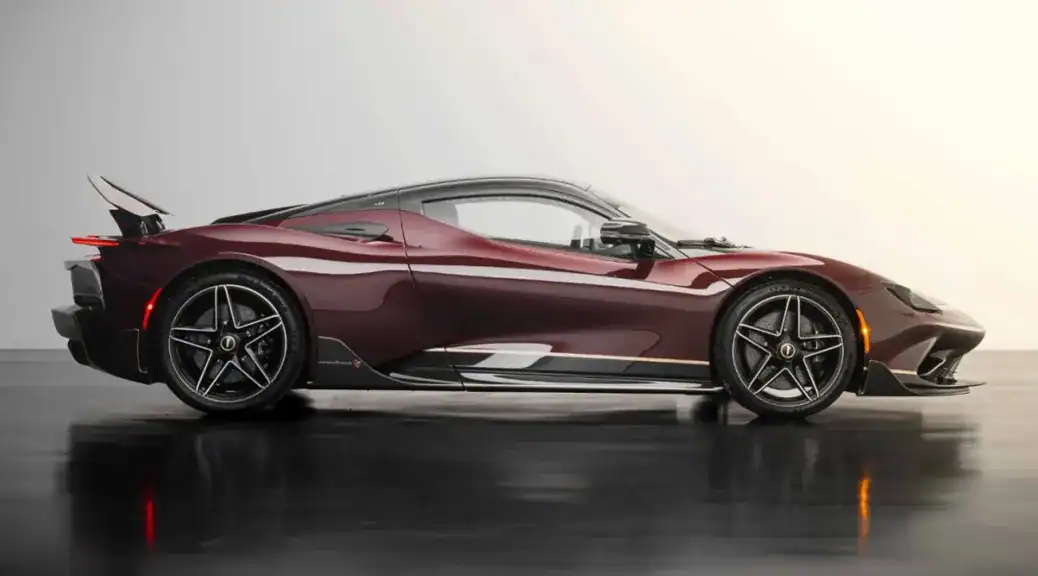
5. Pininfarina Battista — Italian Electric Exotic
Performance Highlights
- 0-60 mph: Around 1.9 seconds
- Top Speed: Over 215 mph
- Body Style: Electric Hyper GT
The Pininfarina Battista shares much of its technology with the Rimac Nevera but wraps it in dramatic Italian styling and handcrafted luxury.
This car targets buyers who want exclusivity as much as speed. Production numbers remain extremely limited, making the Battista one of the rarest EVs on the planet.
Its acceleration is ferocious, but the overall experience feels more elegant and refined than aggressive.
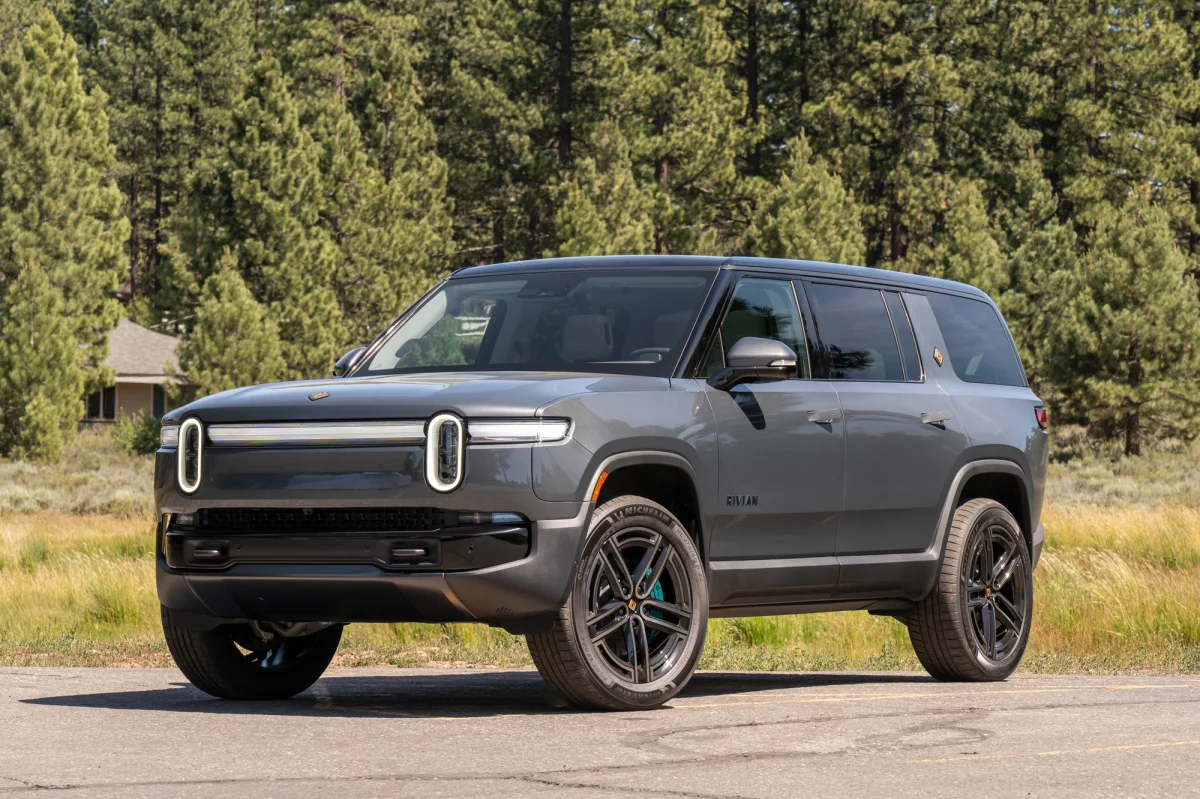
6. Rivian R1S Quad Max — The Performance SUV Surprise
Performance Highlights
- 0-60 mph: Mid-2-second range
- Body Style: Electric SUV
- Drive System: Quad-Motor AWD
Performance SUVs are becoming serious players in the EV world, and the Rivian R1S Quad Max proves that large utility vehicles can also be shockingly quick.
Its combination of off-road capability, spacious seating, and explosive acceleration makes it unique in this list. While it can’t match the hypercars on a racetrack, its real-world versatility is unmatched.
Ideal For
- Families wanting supercar-level acceleration
- Adventure-focused buyers
- Drivers needing cargo and towing capability
7. Hyundai Ioniq 5 N — Affordable Performance Hero

Performance Highlights
- 0-60 mph: Approximately 3 seconds
- Track-focused software tuning
- Simulated gear shifts and sound modes
Not every fast EV costs hundreds of thousands of dollars. The Hyundai Ioniq 5 N delivers thrilling performance at a much more approachable price point.
Hyundai added playful engineering touches rarely seen in EVs, including simulated shifts and artificial engine sounds designed to increase driver engagement.
For enthusiasts skeptical about electric cars feeling emotionally disconnected, the Ioniq 5 N offers a surprisingly fun alternative.
Fastest EVs 2026 Comparison Table
| Model | 0-60 mph | Top Speed | Best Feature |
|---|---|---|---|
| Rimac Nevera | 1.74 sec | 258 mph | Ultimate acceleration |
| Lucid Air Sapphire | 1.89 sec | 205 mph | Luxury + range |
| Porsche Taycan Turbo GT | 1.9 sec | 190 mph | Track handling |
| Tesla Model S Plaid | 1.99 sec | 200 mph | Daily usability |
| Pininfarina Battista | 1.9 sec | 215+ mph | Italian exclusivity |
| Rivian R1S Quad Max | Mid-2 sec | N/A | Performance SUV practicality |
| Hyundai Ioniq 5 N | ~3 sec | N/A | Affordable excitement |
Which Fast EV Is Best for You?
Choose the Rimac Nevera if:
- You want the absolute fastest EV available
- Money is no object
- You value engineering exclusivity
Choose the Lucid Air Sapphire if:
- You want luxury and speed combined
- Long-range driving matters
- You need rear-seat comfort
Choose the Porsche Taycan Turbo GT if:
- You enjoy track driving
- Handling matters more than luxury
- You want the sharpest driver’s EV
Choose the Tesla Model S Plaid if:
- You want everyday practicality
- Charging convenience matters
- You need family usability
The Future of Electric Performance Cars
The rapid evolution of electric performance vehicles suggests today’s numbers may soon look ordinary. Battery density improvements, lighter materials, and more advanced cooling systems will continue pushing acceleration limits further.
However, the next major challenge for automakers is no longer straight-line speed. Most flagship EVs are already faster than drivers can realistically use on public roads.
The future battle will focus on driver engagement, weight reduction, handling precision, and emotional connection — areas where traditional sports cars still maintain an advantage.
FAQ: Fastest EVs 2026 Review
What is the fastest EV in 2026?
The Rimac Nevera is currently the fastest production EV in 2026, reaching 0-60 mph in just 1.74 seconds and a top speed of 258 mph.
Which electric sedan is the quickest?
The Lucid Air Sapphire and Porsche Taycan Turbo GT are among the quickest electric sedans tested in 2026, both achieving sub-2-second 0-60 mph times.
Is the Tesla Model S Plaid still competitive?
Yes. Although newer rivals are slightly quicker, the Model S Plaid remains one of the fastest and most practical high-performance EVs available.
Why are EVs faster than gas cars off the line?
Electric motors deliver instant torque without waiting for engine revs or gear changes, giving EVs a major acceleration advantage.
Do faster EVs have worse range?
Not always. The Lucid Air Sapphire proves high-performance EVs can still deliver over 400 miles of range with proper battery engineering.
Final Verdict
The fastest EVs of 2026 prove that electric performance has officially surpassed many traditional supercars. Whether it’s the record-breaking Rimac Nevera, the track-focused Porsche Taycan Turbo GT, or the luxury missile known as the Lucid Air Sapphire, today’s electric vehicles deliver performance once thought impossible for road cars.
This new era isn’t simply about speed anymore. The best EVs now combine acceleration, technology, luxury, and usability into packages that challenge everything drivers once expected from performance automobiles.