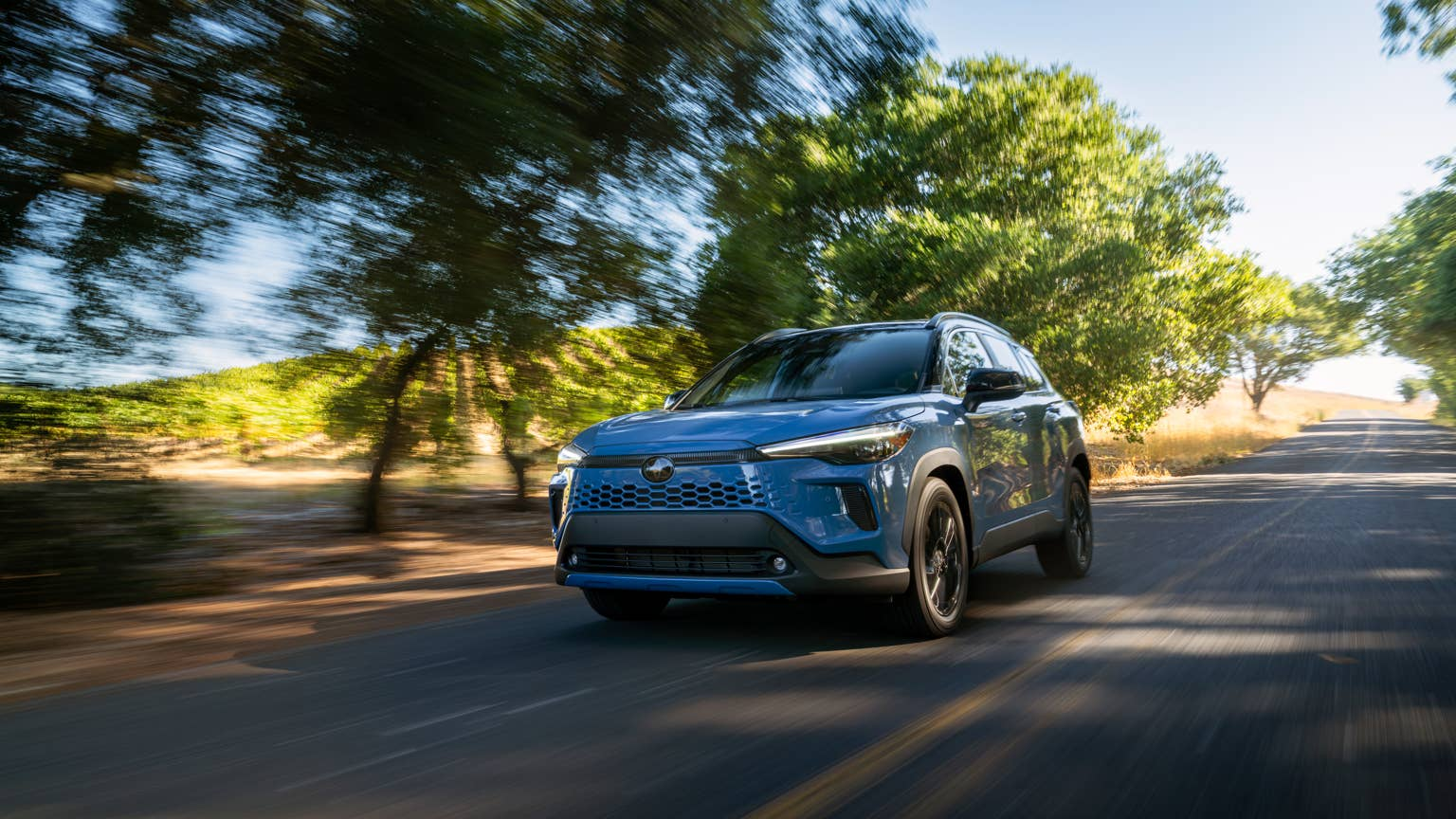
Toyota hybrid maintenance becomes increasingly important as more of Toyota and Lexus’ core lineup moves to hybrid-only powertrains. According to a detailed breakdown of Toyota’s hybrid system by YouTube channel The Car Care Nut, reaching 300,000 trouble-free miles is realistic, but it requires proactive maintenance that in some cases comes earlier than Toyota’s official schedule.
Oil Changes Matter More Than the Standard Interval
The gasoline engine in a Toyota hybrid still requires conventional maintenance, although the recommended oil-change interval varies by model. Turbocharged and performance-oriented hybrids should receive an oil change every 3,000 to 4,000 miles or three to four months.
Naturally aspirated models using Toyota’s common A25A engine can go as long as 5,000 miles or six months, provided OEM filters and quality oil are used to help avoid oil consumption issues.
Spark plugs remain a 120,000-mile or 10-year maintenance item. On four-cylinder engines, replacing them is also described as an easy DIY job.
Coolant maintenance is where the recommendations differ most significantly from Toyota’s official schedule. The guidance calls for a drain-and-refill every 50,000 miles or five years, along with proactively replacing the electric water pump around 150,000 miles because the part can fail without warning symptoms.
Hybrid e-CVT Maintenance Is Relatively Simple
Toyota’s hybrid e-CVTs are mechanically simpler than they may appear and require less maintenance than conventional automatic transmissions. They do not use the clutch packs found in traditional transmissions, which means mechanical failures are rare even when the service history is less than perfect.
Fluid changes using genuine Toyota WS or TE fluid every 60,000 to 90,000 miles are still worthwhile. Performance hybrids equipped with a six-speed automatic should follow a tighter 60,000-mile interval.
In either case, changing the transmission fluid is described as a straightforward DIY job.
Hybrid Battery Cooling Is Critical
The biggest factor in hybrid battery failure is not mileage or calendar age, according to the maintenance breakdown. Instead, overheating caused by restricted airflow can play the most significant role.
The hybrid battery draws cabin air for cooling, meaning its intake screen and filter can gradually become clogged with pet hair, lint and dust. The filter is described as one of the most overlooked maintenance items on the vehicle, with many owners unaware of it until battery problems appear.
Extended inactivity presents another risk. Leaving a hybrid unused for three to six consecutive months accelerates battery degradation, while daily short trips or even weekly drives can keep the battery pack healthy.
When a hybrid battery begins to age, a real diagnostic trouble code is the more reliable warning. A mobile OBD app cannot accurately assess internal cell capacity in the way the vehicle’s own ECU can.
Falling Fuel Economy Does Not Always Mean Battery Failure
A gradual decline in fuel economy after more than 200,000 miles can be normal wear rather than evidence of an impending battery failure. Replacing a healthy hybrid battery simply to recover 2-3 mpg can therefore address the wrong problem, while seized brake calipers are identified as a much more common culprit.
Hybrids also have fewer conventional components that can wear out. They do not use an alternator, starter motor or serpentine belt.
Regenerative braking also handles most everyday deceleration, allowing factory brake pads on a well-maintained hybrid to routinely last beyond 100,000 miles. In some cases, pads can remain in service until 200,000 miles, when rotor corrosion rather than pad wear can force replacement.
Many Maintenance Jobs Can Be Done at Home
The maintenance described does not require specialized tools or high-voltage disassembly. Fluid changes, filters and spark plugs remain within reach of a standard home mechanic.
For Toyota and Lexus hybrid owners seeking long-term reliability, the maintenance breakdown emphasizes that proactive care, particularly for fluids, cooling systems and battery airflow, is central to keeping these powertrains running toward the 300,000-mile mark.