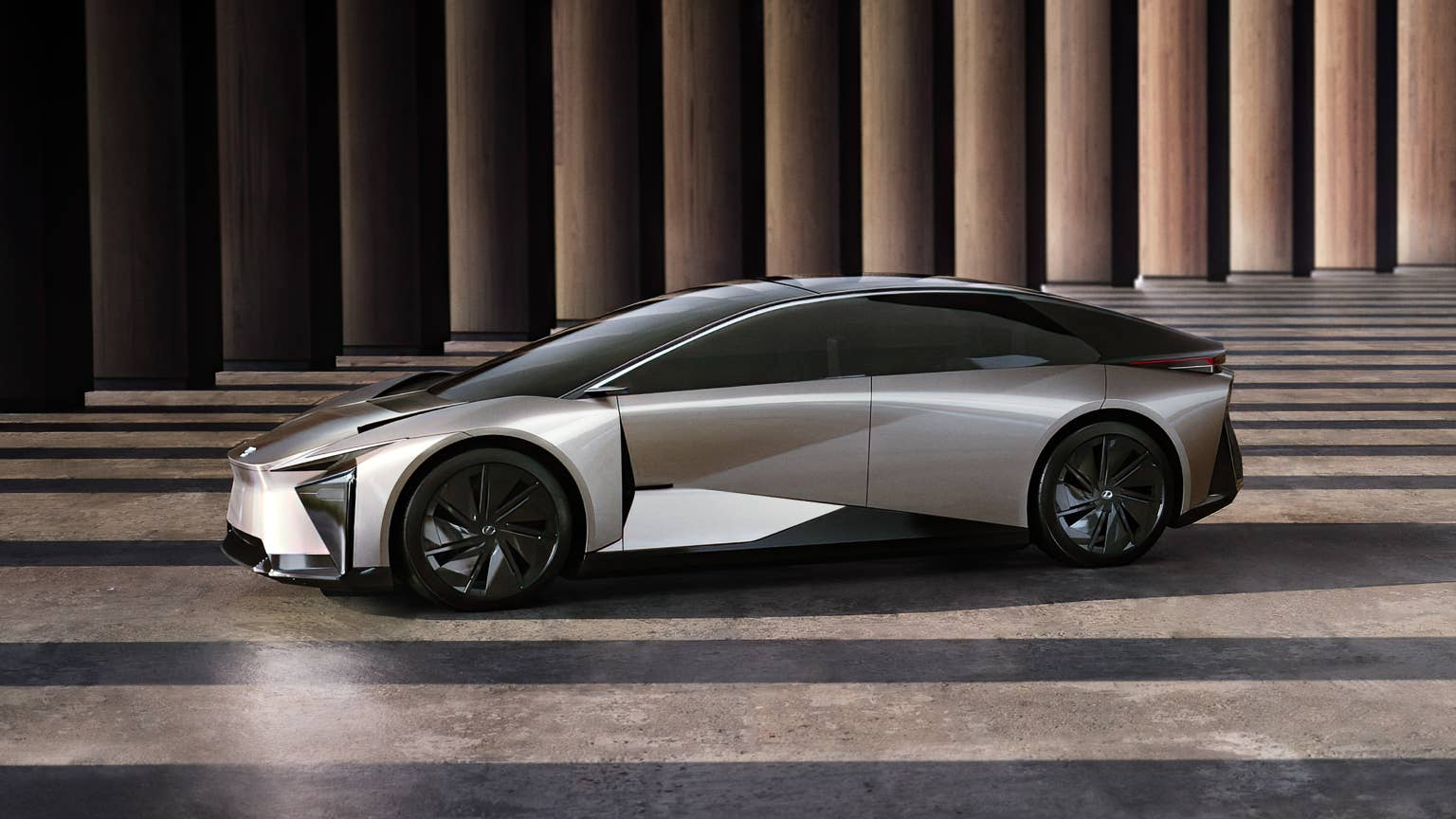
Toyota is reportedly preparing for a major shift in its electric vehicle manufacturing strategy, with the automaker set to build next-generation EVs in China before producing them in Japan. The move is expected to begin with a Lexus SUV in autumn 2027, as a new Shanghai facility becomes a key center for developing and producing advanced battery-electric models.
Toyota Bets on Shanghai for Next-Generation EVs
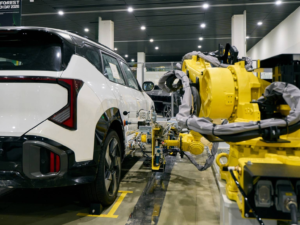
The project is centered on a new ¥14.6 billion ($91 million) factory in Shanghai’s Jinshan district. It will be Toyota’s first wholly owned EV manufacturing facility in China and will focus exclusively on developing and producing advanced Lexus models.
Initial production is expected to reach roughly 1,000 vehicles per month, with output projected to grow to tens of thousands of units annually by 2028. While Toyota has not confirmed the vehicle’s specifications, the upcoming luxury model is widely expected to be a crossover.
Giga-Casting Could Transform Production
The upcoming Lexus vehicle is expected to use giga-casting, a manufacturing method pioneered by Tesla that creates large aluminum body sections as single castings.
Toyota claims the technology can reduce weight by up to 20 percent while significantly increasing structural rigidity. The automaker also expects the reduction in weight to provide a notable improvement in overall driving range while simplifying complex assembly processes.
Local Technology Is Part of Toyota’s Strategy
Toyota is also looking to make greater use of China’s local digital ecosystem as it develops its next-generation electric vehicles. Recent market movements have shown Japanese global players integrating Chinese technology to reduce research and development costs and improve vehicle connectivity.
The new bZ7 sedan provides one example. The flagship electric vehicle generated thousands of orders instantly through aggressive pricing and smart local software partnerships. Toyota now wants to bring that same sense of urgency to Lexus.
Pressure From China’s Electric Vehicle Market
The Shanghai strategy comes as established foreign automakers face growing pressure from local competitors such as BYD. China’s new energy vehicle penetration rate has been rising rapidly, making the country an increasingly important market for electric vehicle development and production.
China accounted for around 60 percent of global battery-electric vehicle sales last year, far exceeding Japan’s domestic volume. Toyota’s strategy is aimed at capturing momentum in the world’s most aggressive electric vehicle market before exporting its innovations globally.
Toyota’s Shift From Aichi to Shanghai
Prioritizing Shanghai over Aichi represents a significant change for Toyota’s manufacturing strategy. The company is placing its most advanced Lexus electric vehicle technology within China’s manufacturing environment as it responds to the rapid pace of the Chinese automotive market.
At the same time, Toyota continues to rely on its reputation for reliability and strong hybrid sales in markets outside China. The company’s Shanghai push reflects its effort to keep its future electric vehicle platforms competitive on the global stage while adapting to the demands of China’s fast-moving EV market.