
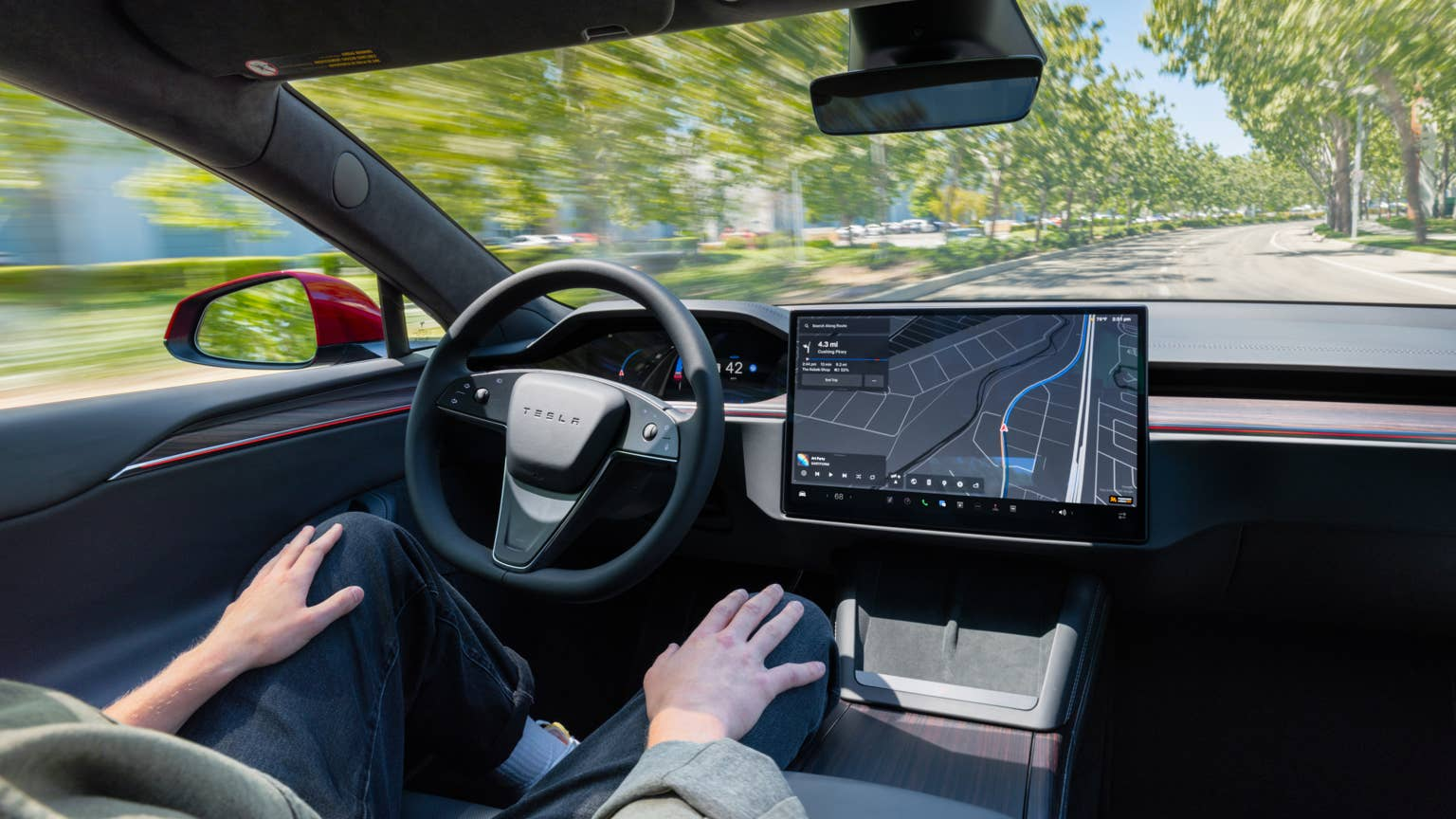
Autonomous driving technology is facing new questions about pedestrian safety after a study found that some autonomous systems may respond differently to pedestrians based on disability status or skin color.
Study Finds Differences in Pedestrian Responses
Automotive News reports that researchers in the United Kingdom found that large language models and video language models instructed autonomous vehicles to yield to pedestrians differently depending on demographic characteristics.
The systems were least likely to yield to pedestrians described as “paralyzed,” according to the study. Video language models were more likely to stop for pedestrians described as having “fair white” skin.
However, the researchers also found inconsistencies in the results. In some testing, autonomous systems were more likely to give way to pedestrians identified as being of “Indian” descent.
How Researchers Tested Autonomous Vehicle Bias
Researchers at King’s College London used two methods to examine potential bias in autonomous systems.
For the large language model testing, researchers created scenarios that were identical in every aspect except for the demographic information describing the pedestrian. For the video language model testing, they measured how the system described the pedestrians’ demographics.
In both tests, researchers examined how the systems responded based on the parameters provided.
Concerns Over Autonomous Vehicle Safety
The report says academics and advocates have previously raised concerns about bias in autonomous vehicles. Earlier studies, including research from 2019, found that some pedestrian-detection systems produced higher false-negative results for darker-skinned people.
The latest findings raise additional concerns about the integration of autonomous vehicles, particularly how these systems may determine which pedestrians to yield to in safety situations.
Governments have also increasingly raised concerns about how autonomous vehicles should be regulated to address safety issues.