
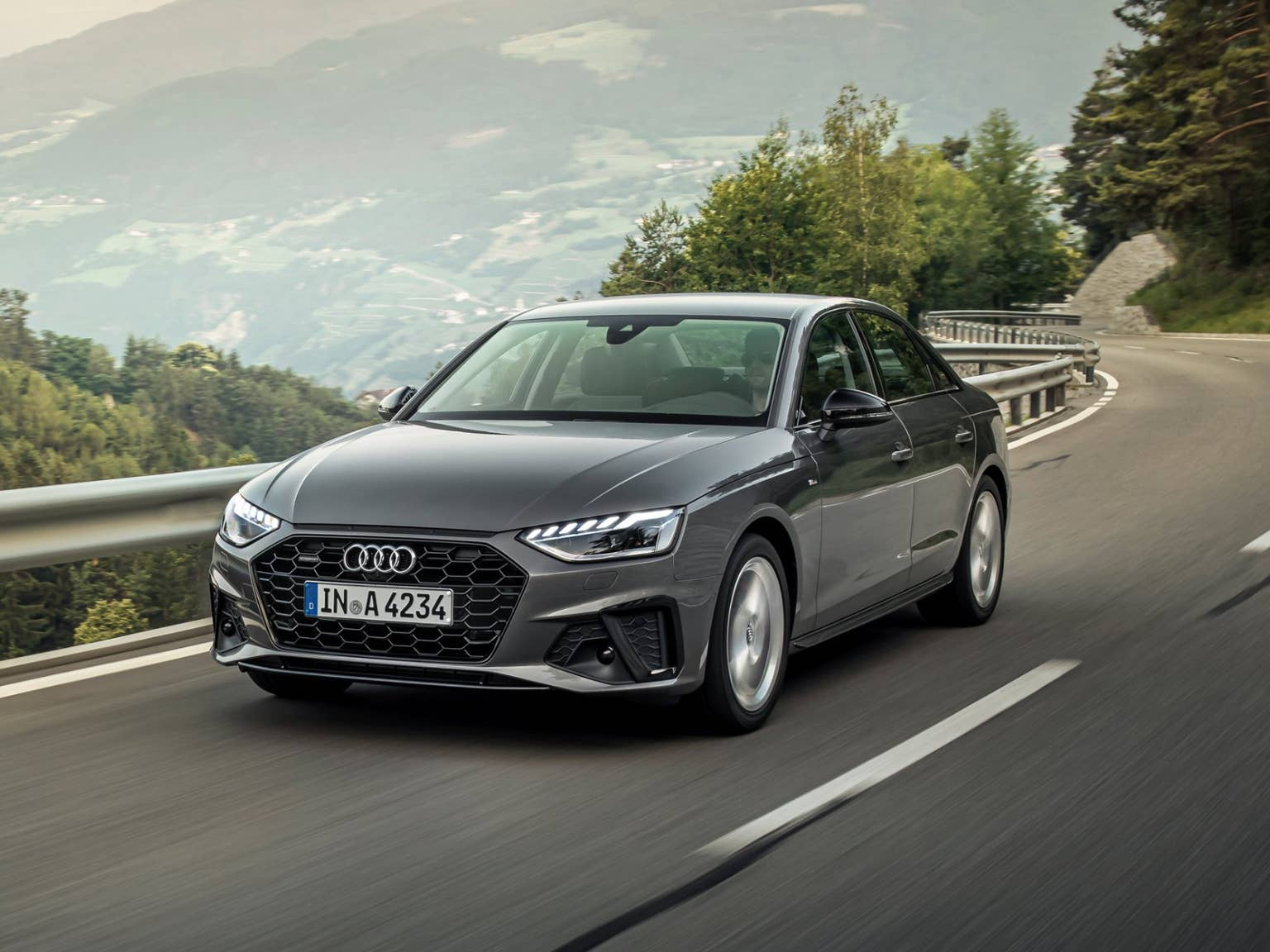
The Audi A4 e-tron is reportedly facing a delay as Volkswagen Group deals with technical problems, internal coordination delays and cost-cutting pressure. The electric sedan, one of the first models expected to use Volkswagen’s next-generation Scalable Systems Platform (SSP), was originally scheduled for 2028 but is now expected no earlier than 2029.
Audi A4 e-tron Reportedly Delayed
Germany’s Handelsblatt, citing sources within the Volkswagen Group, reported that the Audi A4 e-tron has been pushed back from 2028 to 2029. The model is among the vehicles planned to use SSP, a next-generation electric vehicle platform for the Volkswagen Group.
Production was originally scheduled to begin in mid-2028. It is now reportedly expected to start in March 2029 at the earliest, with insiders suggesting late April or early May.
The delay would leave Audi without an all-electric entry in the compact luxury sedan segment for longer as BMW and Mercedes-Benz prepare their next-generation electric competitors.
BMW and Mercedes-Benz Move Ahead
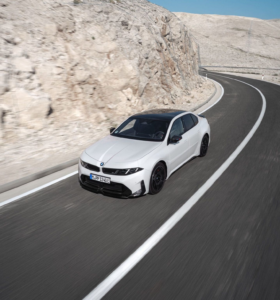
The BMW i3 began production in August 2026 and is scheduled to arrive in the U.S. in 2027. Meanwhile, the Mercedes-Benz electric C-Class is also expected to reach the U.S. next year.
Both models are based on next-generation EV platforms. The BMW i3 uses the Neue Klasse architecture, while the electric C-Class is built around Mercedes-Benz’s MB.EA platform.
If the reported Audi production timeline holds, the BMW i3 and electric C-Class could have roughly a three-year head start before Audi has a direct electric rival in the segment.
More SSP Models Face Delays
The Audi A4 e-tron is not the only model affected by changes to Volkswagen’s SSP plans. The Volkswagen ID. Golf and ID. Roc are also planned to use the platform and are now reportedly expected no earlier than 2030.
Volkswagen’s SSP development has faced additional challenges, including the development of new software and electronics with Rivian. In response, the company has scaled back the platform by reducing the planned number of variants from eight to four.
Volkswagen Continues With MEB and MEB+
For now, many Volkswagen EVs continue to use the MEB platform. Its updated MEB+ architecture is helping make affordable EVs possible, including the ID. Polo, which has a starting price of 24,995 euros, or about $28,700 at current exchange rates.
The recently unveiled Mission Efficiency prototype also uses MEB+ components. Volkswagen claims the prototype has the lowest drag coefficient of any road-approved car and says it shows promise in terms of EV efficiency.
Porsche and Audi, meanwhile, continue to use the Premium Platform Electric (PPE) architecture, which was designed for high-performance EVs.
The reported delay of the Audi A4 e-tron highlights the changes surrounding Volkswagen Group’s next-generation EV platform plans, while the company continues developing models based on MEB, MEB+ and PPE architectures.