
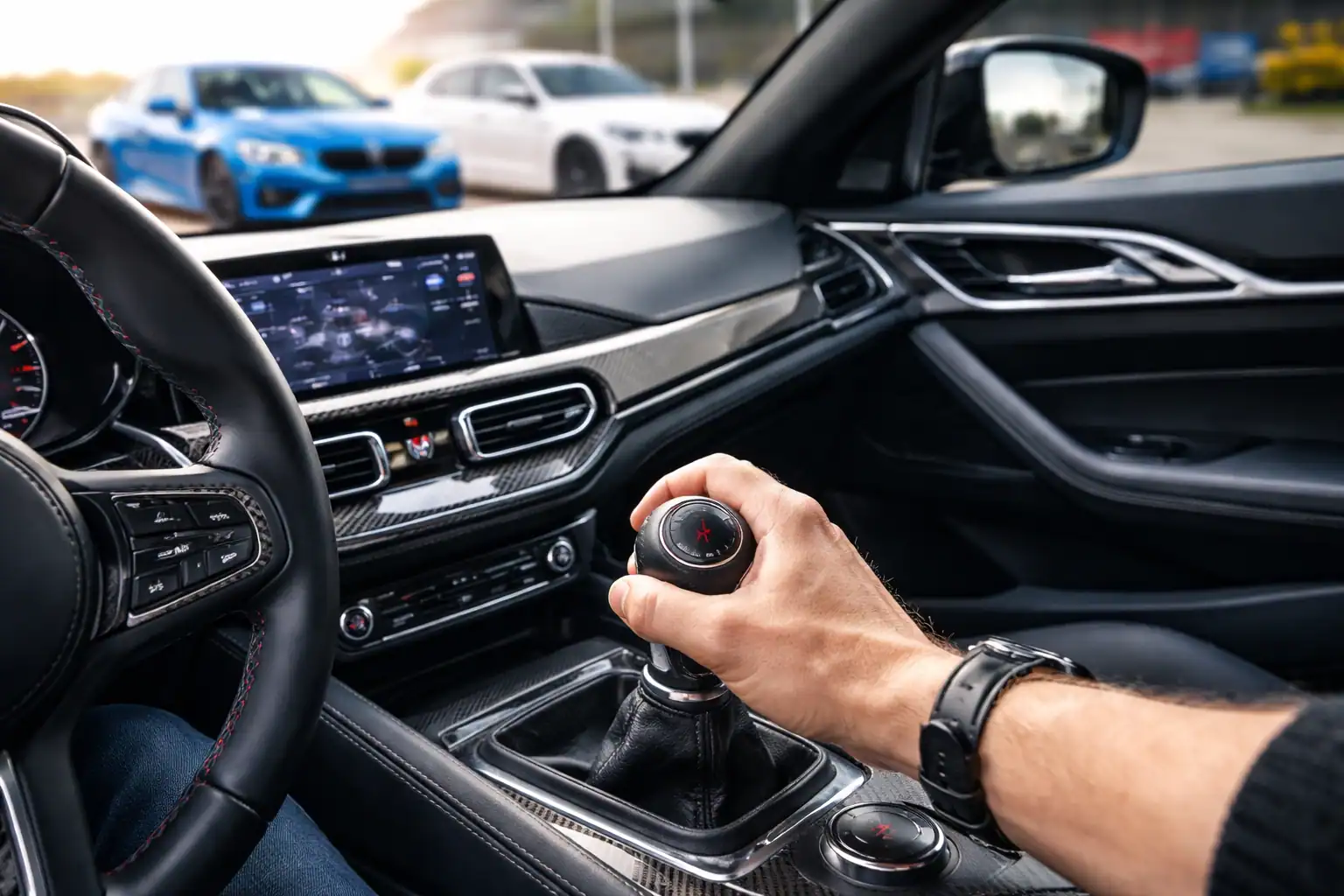
BMW continues to emphasize its reputation for producing driver-focused vehicles, long associated with its “Ultimate Driving Machine” philosophy. However, as the automotive industry evolves, manual transmissions have become increasingly rare, often viewed as a niche option for enthusiasts.
While many automakers are prioritizing automatic and dual-clutch transmissions to meet performance demands, BMW is maintaining its six-speed manual offering. The decision is driven in part by continued customer demand for a more engaging driving experience.
Sylvia Neubauer, vice president of customer, brand, and sales at BMW’s M division, said engineers are working to ensure the manual transmission remains relevant. She noted that rising power outputs in modern performance vehicles present challenges, as manual gearboxes must be engineered to handle higher levels of torque.
Across the industry, manual transmissions are increasingly offered as limited or optional features. In some high-performance models, including recent M variants, manual gearboxes are not always capable of managing peak power levels, which may influence future product decisions.
BMW currently offers three models with a manual transmission in the United States, including the Z4 M40i, where it is available as part of an optional package. However, some models may transition to automatic-only configurations, further reducing availability.
Despite these challenges, BMW continues to weigh customer interest against development costs as it determines the future of manual transmissions within its lineup.