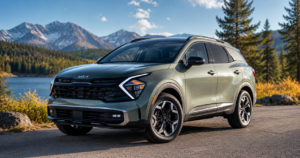

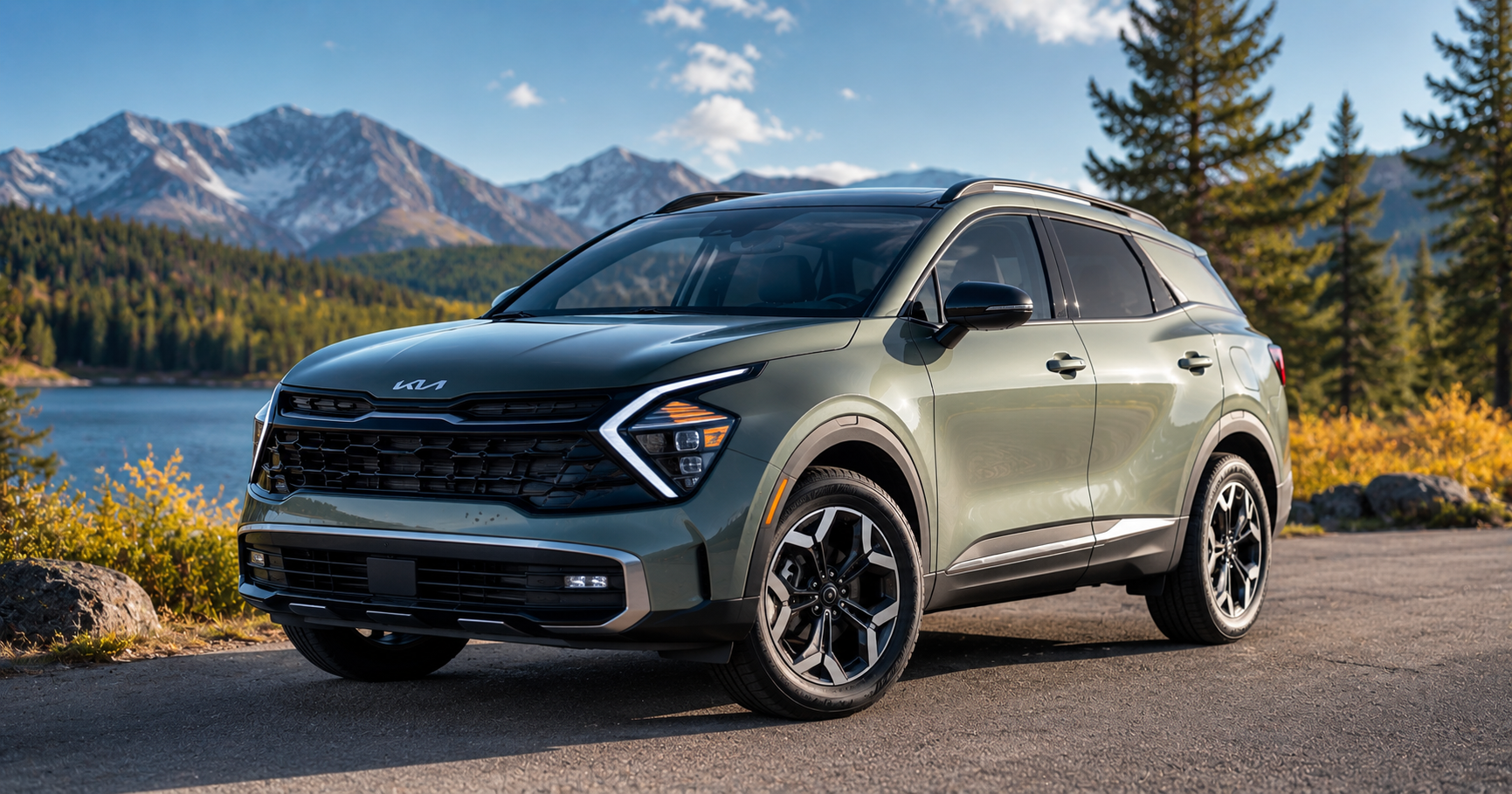
The 2027 Kia Sportage Hybrid expands its lineup with additional trim choices while keeping price increases modest. Kia is also beginning U.S. production of the hybrid SUV for the first time, a move that comes as demand for the model continues to grow.
2027 Kia Sportage Hybrid Expands Its Lineup
Kia is building on the momentum of the Sportage Hybrid by introducing more trim options for the 2027 model year.
The base Sportage Hybrid LX starts at $30,590, an increase of $100 over the previous model year. Most other trims also receive similarly modest price increases.
The biggest change is the addition of front-wheel-drive versions of the S and EX trims, providing buyers with more affordable access to higher equipment levels.
New Technology Package for X-Line Hybrid
Kia is also introducing a new Technology Package for the Sportage Hybrid X-Line.
The package includes a 360-degree camera, blind-spot monitor, a 12.3-inch digital instrument cluster with navigation, a Harman Kardon audio system, Highway Driving Assist, LED fog lights, and additional parking assistance features.
Plug-In Hybrid Lineup Remains Unchanged
The Sportage Plug-in Hybrid continues with the same two trim levels: X-Line and X-Line Prestige.
According to Kia, both versions retain their existing equipment while receiving only small price increases.
Sportage Hybrid to Be Built in the United States
For the first time, the Kia Sportage Hybrid will be produced in the United States.
Kia said production will take place both in South Korea and at Hyundai Motor Group’s Metaplant in Savannah, Georgia.
Growing Demand Drives Local Production
The Sportage Hybrid has become one of Kia’s strongest-performing hybrid models in the United States.
In June, Sportage Hybrid sales increased 134%, contributing to a 187% increase in Kia’s overall hybrid sales for the month. The standard Sportage also remained the brand’s best-selling vehicle.
According to the report, producing the hybrid in the United States helps shield Kia from import tariffs while placing production closer to growing customer demand. The report also states that the move could save Hyundai Motor Group billions in tariffs and provide greater production flexibility as demand continues to increase.