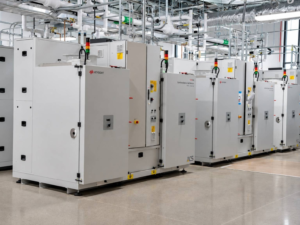

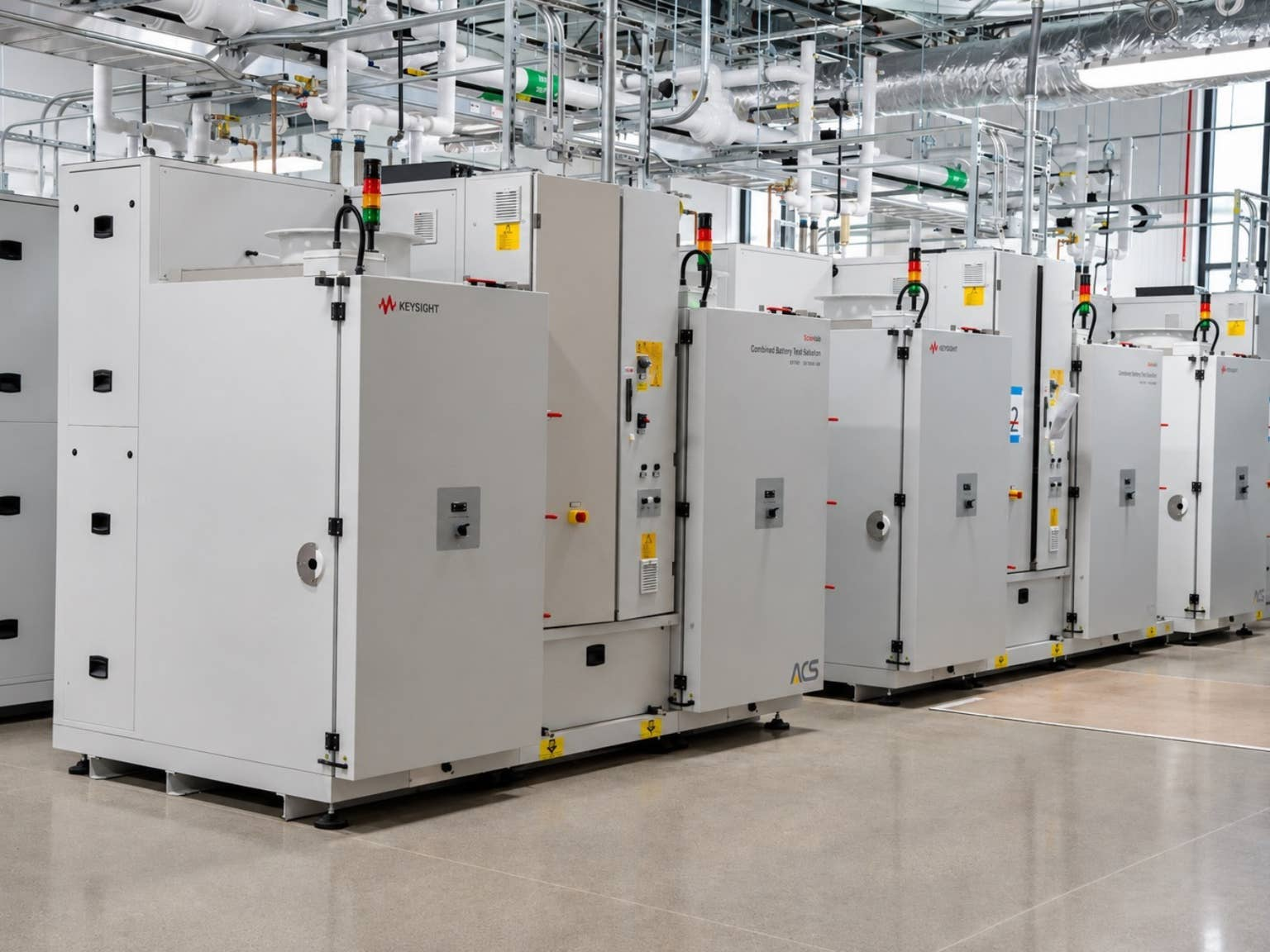
Toyota is expanding its battery capabilities in the U.S. with a new Toyota Battery Center in Michigan designed to evaluate and develop battery technologies for electrified vehicles. Unlike the company’s North Carolina facility, which mass-produces lithium-ion batteries, the Michigan center will focus on testing, development and addressing battery-related issues in North America.
Toyota Battery Center Opens in Michigan
The new facility comes as automakers continue to navigate the evolving electrification market. One of the Toyota Battery Center’s roles is to help identify and address battery-related problems in North America sooner rather than later.
The need for that capability is particularly relevant after Toyota dealt with battery-related issues in the U.S. Earlier this year, nearly 21,000 Toyota bZ, Subaru Solterra and Lexus RZ vehicles were recalled over a potential loss of drive power caused by a battery ECU fault.
However, the Michigan facility is not dedicated exclusively to electric vehicles. The Toyota Battery Center will also support other electrified vehicles, including hybrids, plug-in hybrids and hydrogen fuel-cell vehicles. The Mirai is currently Toyota’s only hydrogen fuel-cell passenger car in the U.S.
Testing Batteries for North American Conditions
Toyota says the U.S.-based facility employs engineers who can “detect and resolve field concerns faster.” The center will also work on developing batteries suited to conditions across North America.
Toyota did not provide further details, but the work could account for the range of conditions found across the region, including very cold winters in the northern U.S. and extreme heat in the Southwest.
The company also faces demand for larger SUVs and pickup trucks such as the Tundra. Developing batteries capable of meeting the requirements of those vehicles could therefore be an important part of the center’s work.
Toyota says its goal is to develop longer-lasting batteries designed for the conditions American drivers face.
Solid-State Batteries Remain Focused in Japan
Toyota’s announcement did not address the development of solid-state batteries. The technology promises advantages over conventional liquid-electrolyte lithium-ion batteries, including higher energy density and shorter charging times.
Toyota’s solid-state battery development remains centered in Japan, where the automaker is aiming to launch battery-electric vehicles using the technology in 2027 or 2028.
Michigan Facility Opens Research Opportunities
For Michigan, Toyota says the investment will also create more high-skilled jobs. The automaker is opening access to the 30,000-square-foot facility through a partnership with the University of Michigan Electric Vehicle Center.
The partnership will allow other research partners to use some of the Toyota Battery Center’s testing and evaluation capabilities.
Toyota Takes a Multi-Pathway Approach
The Michigan center’s day-to-day operations will be more complex than those of Toyota’s North Carolina battery plant, but the facility could help the automaker navigate uncertainty in the vehicle market.
Automakers have been reassessing their electric-vehicle plans. Stellantis, for example, has taken $26.2 billion in EV-related charges.
Toyota’s more gradual EV rollout and multi-pathway strategy have left the company less exposed to the EV pullbacks seen at some rivals.
Toyota’s Electrified Vehicle Sales Continue to Grow
The Toyota Battery Center arrives as electrified vehicles account for a growing share of Toyota Motor North America’s sales. The company sold 363,367 electrified vehicles in the third quarter of this year, an increase of 28.5% year over year.
Those vehicles accounted for 57.4% of Toyota Motor North America’s total sales volume during the quarter. Electrification now extends across much of Toyota’s U.S. lineup.
For the 2026 model year, for example, the RAV4 is offered exclusively as either a hybrid or plug-in hybrid, further reflecting the broader role of electrified powertrains across the brand’s U.S. lineup.