
Key U.S. senators are reconsidering proposed ownership limits on vehicles produced by companies with significant Chinese equity, as lawmakers weigh national security concerns against the potential impact on major European automakers such as Mercedes-Benz.
Senators Reconsider 15% Ownership Threshold
The proposed restrictions were developed under the Connected Vehicle Security Act, which was designed to prevent foreign adversaries from accessing vehicle networks. The legislation initially proposed a 15% ownership ceiling for parent companies.
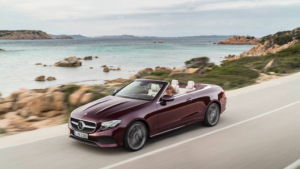
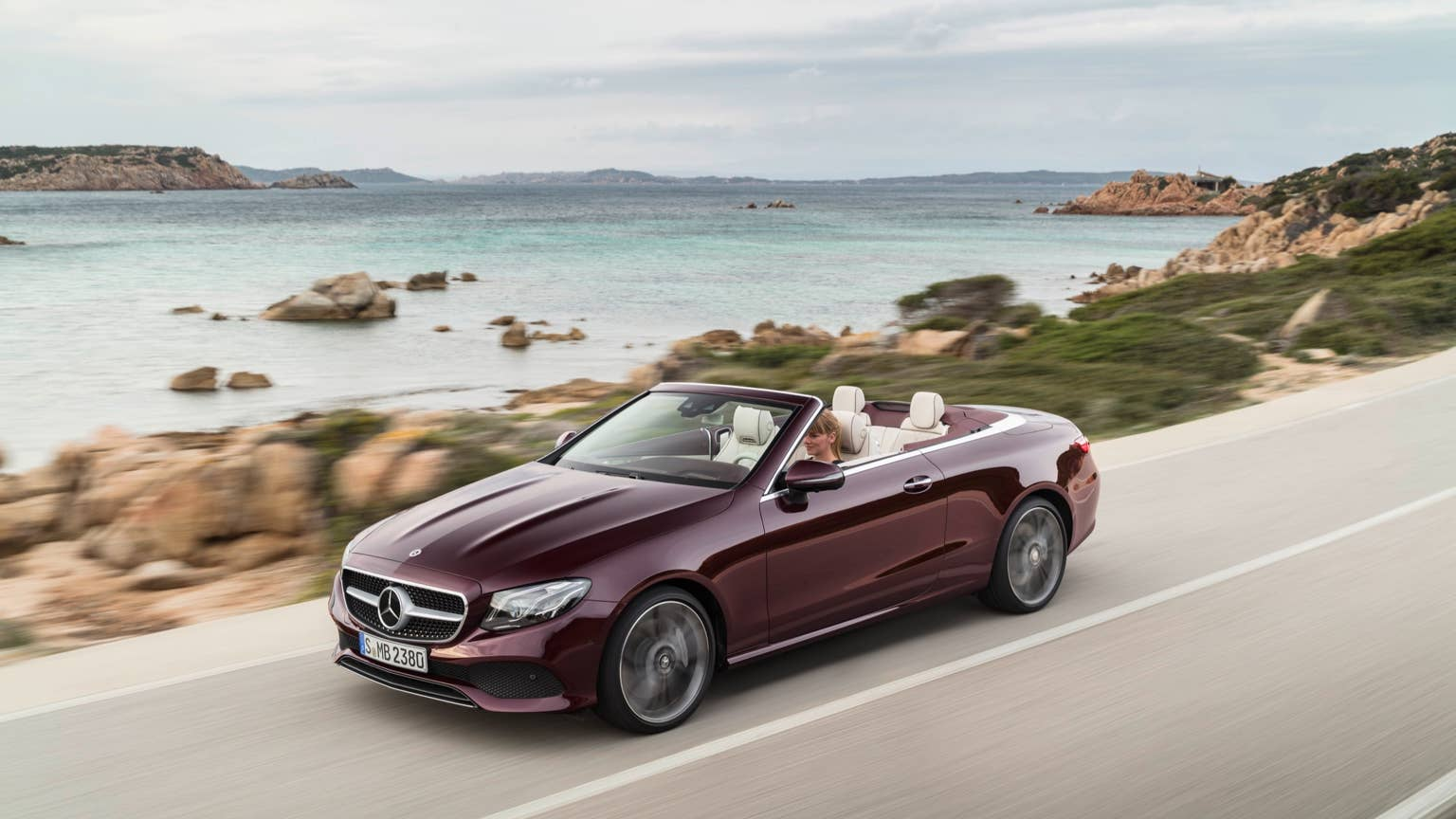
That threshold quickly raised concerns for major European brands. Mercedes-Benz, in particular, has nearly 20% Chinese shareholding, potentially exposing the company to significant operational disruptions and possible exclusion from the U.S. market.
As a crucial Senate vote approaches, lawmakers are considering carve-outs and higher ownership thresholds to avoid unintended consequences for long-standing European partners. The discussions reflect the complexity of regulating modern automotive companies with ownership structures spanning multiple countries.
Senate Vote Stalls Amid Corporate Concerns
The effort to fast-track the Connected Vehicle Security Act stalled after lawmakers delayed final action over objections concerning its potential impact on foreign-owned companies.
“What we’re not going to do, obviously, is ban Mercedes-Benz vehicles in America,” bill co-sponsor Senator Bernie Moreno told Reuters. He said lawmakers are negotiating solutions to concerns over whether affected companies “can get to 15% without debilitating their company.”
The lack of unanimous consent has left negotiators working to balance strict vehicle security requirements with the practical operations of allied automakers.
Automakers Face Software Compliance Rules
Meanwhile, manufacturers are working to comply with Department of Commerce rules requiring the removal of foreign software integrated into connected vehicles.
Automakers are facing tighter compliance timelines as they audit their supply chains to identify and remove software written or maintained by foreign entities. The process underscores the technical integration of modern vehicles and the challenges involved in separating globally developed software systems.
Consumer Interest in Chinese EVs Grows
The regulatory debate comes as consumer interest in Chinese electric vehicles is rising, according to recent industry surveys. The interest is being driven by curiosity about software features and pricing.
The shift comes even as statutory restrictions continue to limit access for international brands, highlighting the changing perception of Chinese electric vehicles among U.S. consumers.
Ownership Rules Highlight Limits of Protectionism
The Senate’s consideration of adjustments for companies such as Mercedes-Benz highlights the difficulty of applying broad foreign ownership restrictions to a global automotive industry. While concerns over connected-vehicle security remain central to the legislation, broad restrictions can also affect established allies.
Industry executives have argued for protection of local manufacturing from heavily subsidized competitors. At the same time, proposed regulatory carve-outs demonstrate the difficulty of separating global capital structures from domestic vehicle production.
The debate ultimately centers on how the U.S. can address national security concerns while maintaining the competitiveness of its domestic automotive sector. Strict trade barriers may offer protection, but growing demand for accessible electric mobility continues to create tension between policy objectives and changing market expectations.