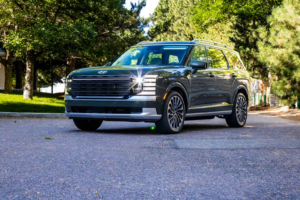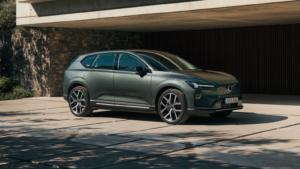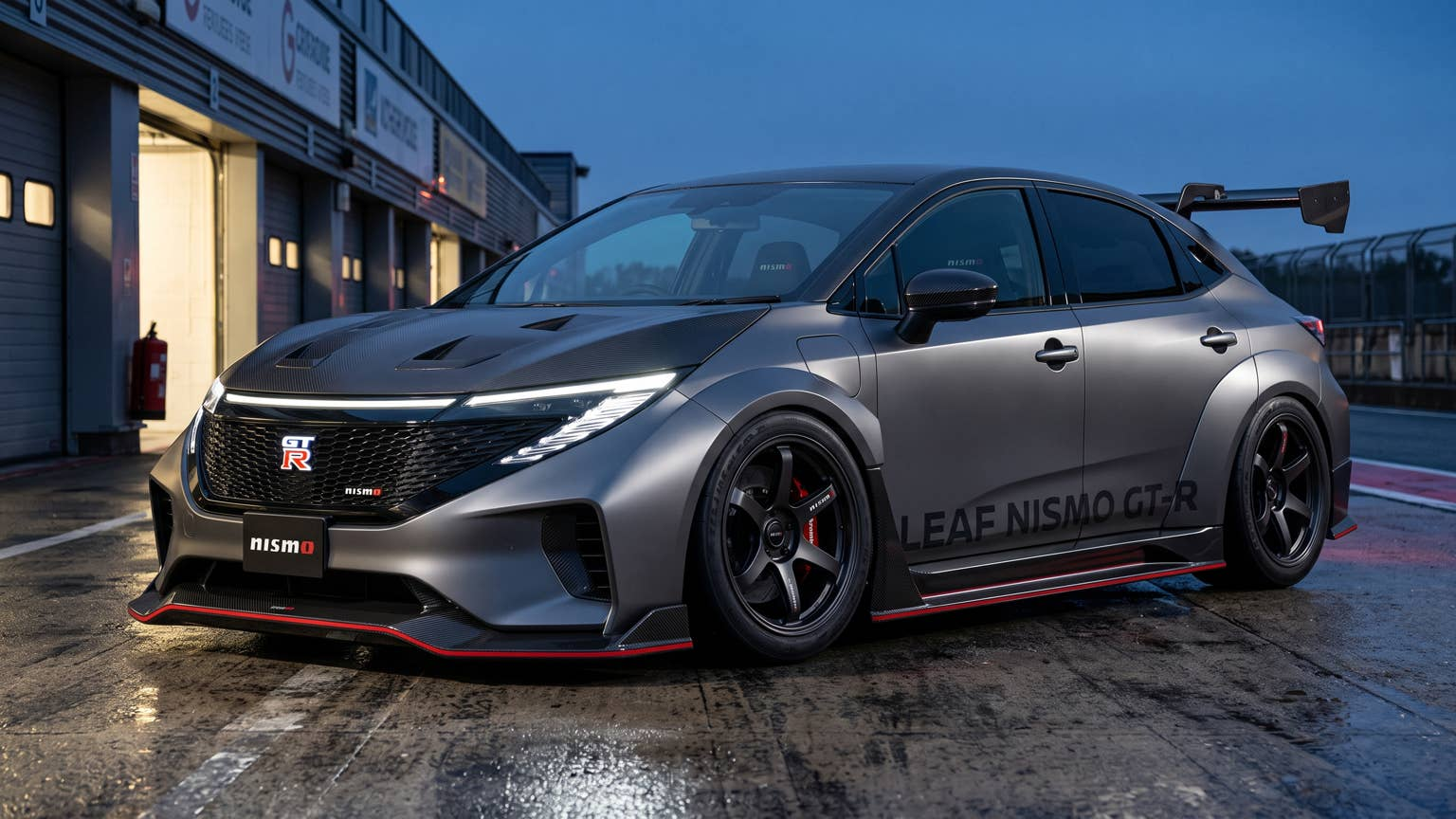
Artificial intelligence is moving beyond vehicle manufacturing and into automotive design, where it can turn rough sketches into photorealistic concepts in seconds. Karl Neuhold, head of exterior design at Volkswagen Group’s Skoda brand, says the technology’s rapid progress could make automotive design studios more efficient while threatening opportunities for human designers, particularly those just entering the profession.
Automakers are already using algorithms and intelligent robotics to improve production efficiency and reduce costs. But as AI tools become more capable of generating vehicle designs, the technology is raising questions about the future role of human creativity in the automotive industry.
AI Is Transforming Automotive Manufacturing
Artificial intelligence is increasingly influencing how automakers build vehicles around the world. While software developers adopted machine learning early, the traditional automotive industry is now incorporating algorithmic tools to streamline operations and control overhead costs.
Audi relies heavily on algorithms to improve factory-floor efficiency, while Nissan has significantly increased production speed through intelligent robotics. Ford is also part of the industry’s broader push toward AI-assisted manufacturing, with its durable engines cited in the discussion of technology and longevity.
However, AI’s expansion into creative departments represents a different challenge from factory automation. The ability to generate detailed vehicle concepts quickly could reshape how automakers approach exterior styling and the people needed to complete that work.
Skoda Design Chief Warns About AI-Generated Renderings
Neuhold recently discussed the technology’s capabilities with Auto Week, expressing shock at how advanced modern artificial intelligence has become. Tasks that once required designers to spend extensive time refining digital surfaces can now be accelerated by neural networks capable of producing polished automotive concepts within seconds.
Using simple text prompts, AI systems can transform a rough, hand-drawn sketch into a photorealistic digital rendering. The software can calculate lighting, generate realistic shadows and maintain accurate proportions, making the resulting images increasingly convincing.
Earlier versions of these systems struggled to reproduce brand logos correctly, but recent software updates have addressed those visual problems, according to the article. These improvements have made AI-generated concepts more practical for automotive design work.
The efficiency gains, however, come with potential consequences for employment. If design studios can produce and refine exterior concepts much faster, automakers may need fewer people to complete the process.
Neuhold warned that this shift could threaten human jobs and make it harder for young artists to enter the automotive design profession.
Why Human Creativity Still Matters in Car Design
Although AI can generate well-proportioned vehicle concepts, the article argues that creating a truly memorable car requires more than visual accuracy. Iconic vehicles such as the original Mustang emerged from the passion and instincts of human designers.
Algorithms can synthesize images, but the article questions whether computers can replicate the emotional understanding and mechanical knowledge that inform human design decisions. It also points to the hands-on intuition of Ford’s veteran engineers as an example of experience that software cannot replace.
Allowing AI to dictate aesthetic decisions could lead to increasingly uniform vehicle designs, according to the article’s argument. The concern is that an industry focused too heavily on algorithmic output could lose some of the individuality and character that distinguish memorable cars.
AI’s Growing Role Could Reshape Automotive Design Jobs
AI is becoming a more prominent tool across automotive manufacturing and design, offering faster production processes and increasingly sophisticated digital renderings. At Skoda, Neuhold’s concerns highlight the potential cost of those advances: fewer opportunities for designers and a greater challenge for newcomers trying to establish themselves in the industry.
The debate centers on how automakers balance the speed and efficiency of AI with the human judgment, creativity and practical experience that have long shaped vehicle design.