Toyota is preparing to expand its Arene software platform from two models to 50 nameplates and 10 million vehicles annually by 2030, marking a significant step toward software-defined vehicles (SDVs). The strategy could bring advanced software capabilities to more mass-market vehicles, as the world’s best-selling automaker looks to expand beyond traditional hardware-focused vehicle development.
Toyota Plans Major Expansion of Arene Software
Software-defined vehicles rely on advanced software systems to monitor, control and upgrade vehicles through over-the-air updates. As automakers increasingly embrace this approach, Volkswagen has tapped Rivian to develop an SDV architecture, while Nissan and Honda have agreed to share key operating system components.
Toyota is pursuing a similar strategy with Arene, its proprietary software platform. According to Automotive News, the Japanese automaker plans to expand the technology to 50 nameplates and 10 million vehicles annually by 2030, up from the two models currently using the system.
The expansion could accelerate the adoption of software-defined vehicles by extending advanced digital capabilities across a broader range of vehicles.
How Arene Could Improve Vehicle Development
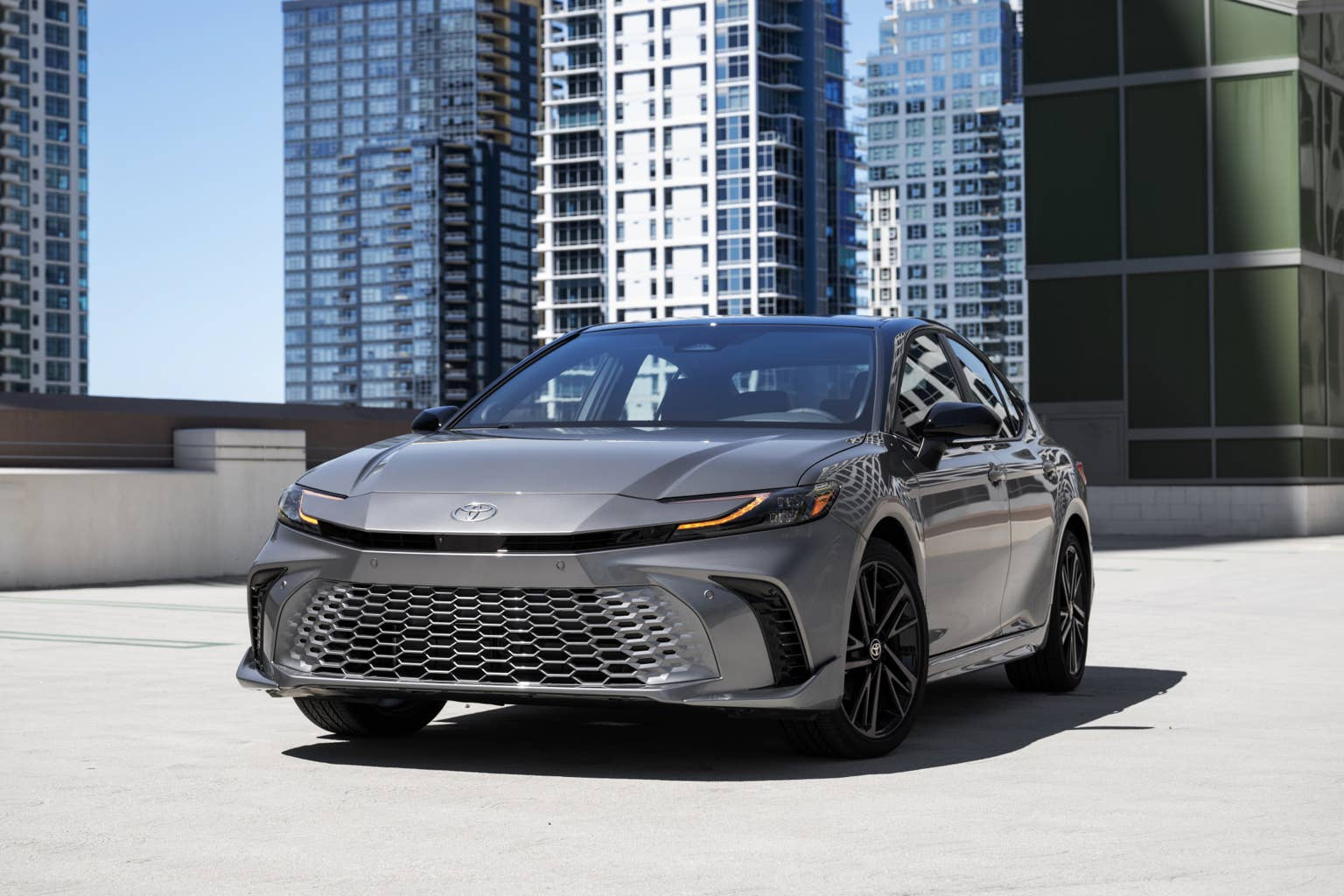
The Toyota RAV4 and Lexus ES are currently the only two models using Arene. The platform supports advanced safety systems and digital cockpits, with Toyota planning to expand its role to include body controls and powertrain functions.
The software platform has also delivered measurable improvements in development efficiency. Toyota said Arene reduced the time required to evaluate advanced driver-assistance software in the new RAV4 by 70%.
That reduction could help Toyota accelerate development, lower engineering expenses and deliver software improvements to customers more quickly.
Toyota Could Bring Software-Defined Vehicles to More Buyers
Many high-profile software-defined vehicle initiatives have focused on electric vehicles (EVs), including Tesla’s approach. However, the slowdown in EV adoption creates an opportunity for Toyota to bring SDV technology to a wider range of mass-market buyers.
Toyota also plans to share Arene with its alliance partners, including Suzuki, Daihatsu, Mazda and Subaru, around 2035. If the planned expansion proceeds, the platform could reach approximately 16 million vehicles annually.
The report did not identify which models will receive Arene next. With Toyota targeting 50 nameplates by 2030, further details about the rollout remain forthcoming.
Can Software-Defined Vehicles Enable More Advanced Driving?
Software-defined vehicles could eventually support more advanced capabilities, including fully autonomous driving. Continuous software updates could allow automakers to refine these systems over time, improving their ability to handle complex road conditions and unexpected situations.
For now, however, most automakers offer SAE Level 2 driver-assistance systems, which still require constant driver supervision. BMW and Mercedes-Benz have also decided to scale back their Level 3 systems, highlighting the challenges of bringing these costly technologies to market.
Although advanced automation remains a challenge, Toyota’s plans for Arene extend beyond its current applications in vehicle safety and digital interfaces.
Toyota Eyes Applications Beyond Cars
Toyota intends to expand Arene into infrastructure systems, homes and robotics. Tesla is also exploring robotics through Optimus, highlighting another area where automakers are extending their technology ambitions beyond vehicles.
Expanding Arene into these areas could create new revenue streams for Toyota while providing valuable data to help refine and improve the platform.
With plans to scale Arene across 50 nameplates by 2030 and eventually extend its reach through alliance partners, Toyota is positioning the software platform as a central part of its broader strategy for connected vehicles and digital technology.