Porsche is taking a different approach to the increasingly digital automotive world with the Mission S, a functional prototype that embraces physical controls, a traditional ignition key and the possibility of a manual transmission. The new model prioritizes a simpler driving experience, setting it apart from modern cars built around touchscreens and software-driven features. Although Porsche has not announced a production launch date, CEO Michael Leiters has confirmed that a manual transmission is compatible with the platform.
Porsche Mission S Brings Back Traditional Controls
As digital technology becomes more prevalent in cars, some drivers are showing renewed interest in simpler, analog driving experiences. Automakers have responded with efforts to restore physical buttons and controls, but Porsche is taking that approach further with the Mission S.
Unveiled as a functional prototype, the Mission S suggests that Porsche has moved beyond a purely conceptual design. Its operational status also hints that development may be relatively advanced, although the company has not confirmed when a production version will arrive.
The prototype was unveiled on the same day as the Tesla Roadster, offering a sharp contrast to the electric sports car, which was not yet shown as an actual finished vehicle.
A Physical Key, No Touchscreen and More Buttons
The Porsche Mission S features a traditional physical ignition key, a detail that has been absent from Porsche models for some time. Drivers must insert the key into the ignition and turn it to start the car, rather than relying on a more modern starting system.
The interior also dispenses with a touchscreen entirely. Instead, Porsche has incorporated a MagSafe phone holder for in-car entertainment, while physical buttons and dials handle functions that would otherwise be accessed through digital menus.
The screen-free cabin represents a notable departure from recent Porsche interiors, with few comparable examples seen in decades. By keeping controls readily accessible on the dashboard, the Mission S avoids burying vehicle settings in touchscreen submenus.
Driving modes can be selected using a dial on the steering wheel. The prototype also includes a button labeled “On Your Own,” which switches off all driver’s aids.
Porsche Has Yet to Reveal Mission S Powertrain Details
Porsche has not released official powertrain specifications for the Mission S. However, videos showing the prototype starting up suggest that the car has at least eight cylinders beneath its clamshell.
Whether the powertrain includes electrification remains unclear. The prototype’s startup sound provides an indication of its engine character, but the final configuration has not been confirmed.
Porsche has designed the platform to accommodate either a fully combustion-powered setup or an electrified configuration. Which direction the production model takes will depend on customer demand.
Manual Transmission Could Set Mission S Apart
There is no confirmed launch date for the production Mission S, but Porsche has indicated that it is serious about bringing the car to market. One of the most significant details for enthusiasts is the possibility of a manual transmission.
CEO Michael Leiters confirmed that a manual gearbox is compatible with the platform. However, its availability will depend on whether enough customers want one to justify offering it.
Speaking to Road and Track, Leiters said, “Customer demand will define what we build on this platform.”
If Porsche offers a manual transmission in the production model, the Mission S could become the first Porsche hypercar in 20 years to be available with a manual gearbox. That outcome is not guaranteed, as the company has made clear that customer interest will determine the final configuration.
Mission S Takes Inspiration From the Carrera GT
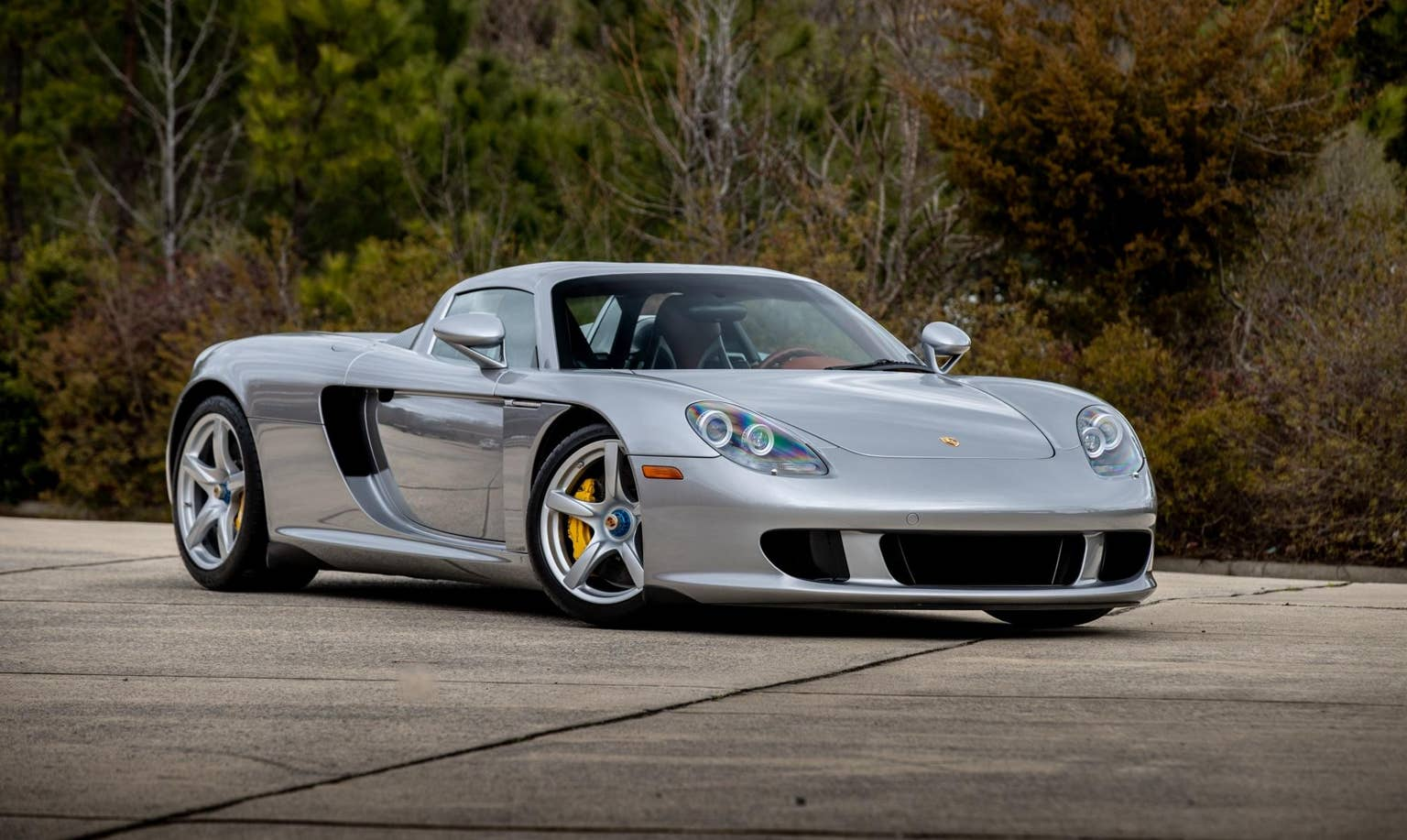
The Mission S appears to pursue a different goal from a direct successor to the Porsche 918 Spyder. Rather than emphasizing a highly digital driving experience, the prototype focuses on simplicity and raw capability, making it more reminiscent of the Carrera GT.
The potential availability of a manual transmission reinforces that direction, while the platform’s flexibility leaves room for either a conventional combustion engine or an electrified powertrain.
The final specifications remain undecided, including the engine configuration, electrification strategy and availability of a manual gearbox. Porsche’s approach will ultimately be shaped by customer demand as the Mission S moves toward a possible production model.
For now, the Mission S represents Porsche’s exploration of a more analog hypercar, combining traditional controls with a platform designed to support different powertrain options. Whether the production version delivers a combustion-only engine and a manual transmission remains to be seen.