A Chevrolet LS1 V8 engine from a 2004 Corvette has suffered catastrophic damage, with shattered pistons, a destroyed cylinder sleeve and multiple holes in the engine block. The teardown, featured on the I Do Cars YouTube channel, offers a closer look at the extent of the destruction and raises questions about whether sustained high-RPM operation may have contributed to the failure.
The LS1 V8 Brought Major Changes to the Corvette
General Motors introduced the LS1 in 1997 as part of its third-generation small-block V8 family. The engine succeeded the LT1 with updated internal components and an aluminum block in place of its predecessor’s cast-iron construction, while retaining a relatively simple pushrod design.
Used in the Chevrolet Corvette C5, the LS1 initially produced 345 horsepower. Its updated design allowed the Corvette to deliver more power and rev higher than the LT1-powered C4.
The engine featured in the teardown reportedly came from a 2004 Corvette. That model year included the performance increase introduced in 2001, which raised the LS1’s output to 350 horsepower.
From the engine’s exterior condition, the damage appeared extensive. Eric, the presenter on I Do Cars, said the engine likely failed while operating at high RPM.
Shattered Pistons and a Damaged Engine Block
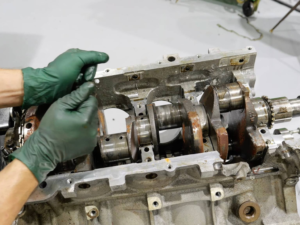
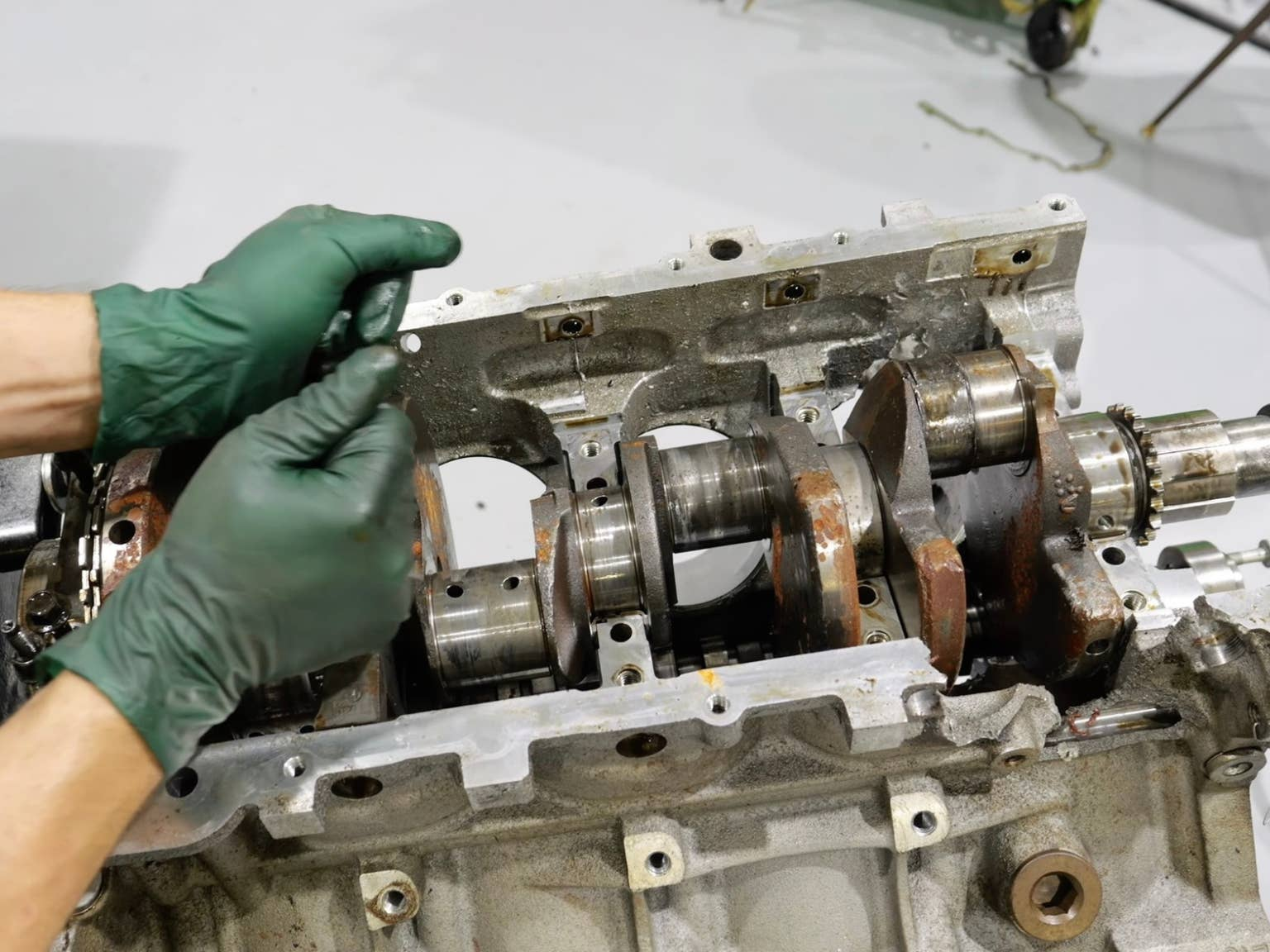
The teardown revealed that two of the engine’s eight pistons had shattered, while a cylinder sleeve was destroyed. The engine block also had at least two holes punched through it, indicating the severity of the internal damage.
Despite the destruction, the oil pan contained less large debris than might have been expected. Other internal components, including the connecting rods and bearings, had also sustained damage.
The cylinder heads were in comparatively better condition. Although metal fragments were scattered throughout the area, the more notable finding was that several valvetrain components, including the rocker arms and lifters, were missing.
According to the teardown, those parts had been removed before the engine was returned as a core. Eric also identified signs of previous work on the engine, including non-original components such as a Summit Racing camshaft and LS6 cylinder heads.
Could Sustained High RPM Have Caused the Failure?
One possible explanation for the damage is that the engine was operated at a sustained speed of around 7,000 RPM. Running an engine under those conditions can place significant demands on its lubrication system, particularly if the oil supply is insufficient.
Oil starvation can prevent engine components from receiving adequate lubrication. This can cause bearing failure, increase friction and heat, and ultimately lead to catastrophic engine damage.
However, the extent of the damage does not necessarily indicate an inherent reliability problem with the LS1. General Motors also developed the more performance-oriented LS6, which powered the Corvette C5 Z06 and eventually produced 405 horsepower.
Why Proper Engine Lubrication Matters
The teardown highlights the importance of maintaining proper engine oil levels and condition. Even an engine with a reputation for reliability can suffer severe damage if its lubrication needs are not met.
As the I Do Cars channel has demonstrated in other teardowns, lubrication problems can affect a range of engines, including Toyota’s 2ZR-FE, used in the Corolla. In the case of the damaged LS1, sustained high-RPM operation and possible oil starvation remain potential explanations for the failure, rather than confirmed causes.