Mitsubishi is shifting more resources toward developed markets, including the United States, Japan and Australia, as Chinese electric vehicles intensify competition in Southeast Asia. The move could reshape the automaker’s U.S. strategy, with plans for new models, dealership expansion and a broader lineup aimed at American buyers.
Mitsubishi Shifts Focus as Chinese EV Competition Grows
Mitsubishi’s U.S. sales peaked in 2002, when models such as the Eclipse helped the automaker establish a stronger presence in the market. Since then, the company has struggled to regain its former position in the United States.
Meanwhile, Mitsubishi has remained a major competitor to Toyota in Southeast Asia. However, the growing presence of Chinese electric vehicles is putting pressure on the region that has traditionally been central to Mitsubishi’s business.
The company’s response is to direct more resources toward established markets, including the United States, Japan and Australia, while reducing its reliance on Southeast Asia. The strategy presents challenges in the American market, where Mitsubishi has a relatively small market share and a limited dealership network.
Mitsubishi Expands U.S. Plans With Nissan
Mitsubishi has historically concentrated on Southeast Asia, while its alliance partners Nissan and Renault took leading roles in North America and Europe, respectively. The alliance has since moved toward a more flexible, project-based arrangement.
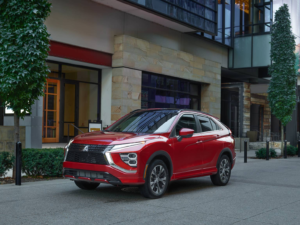
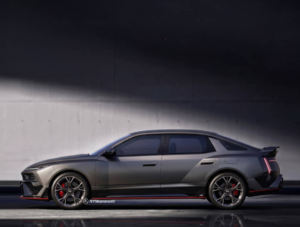
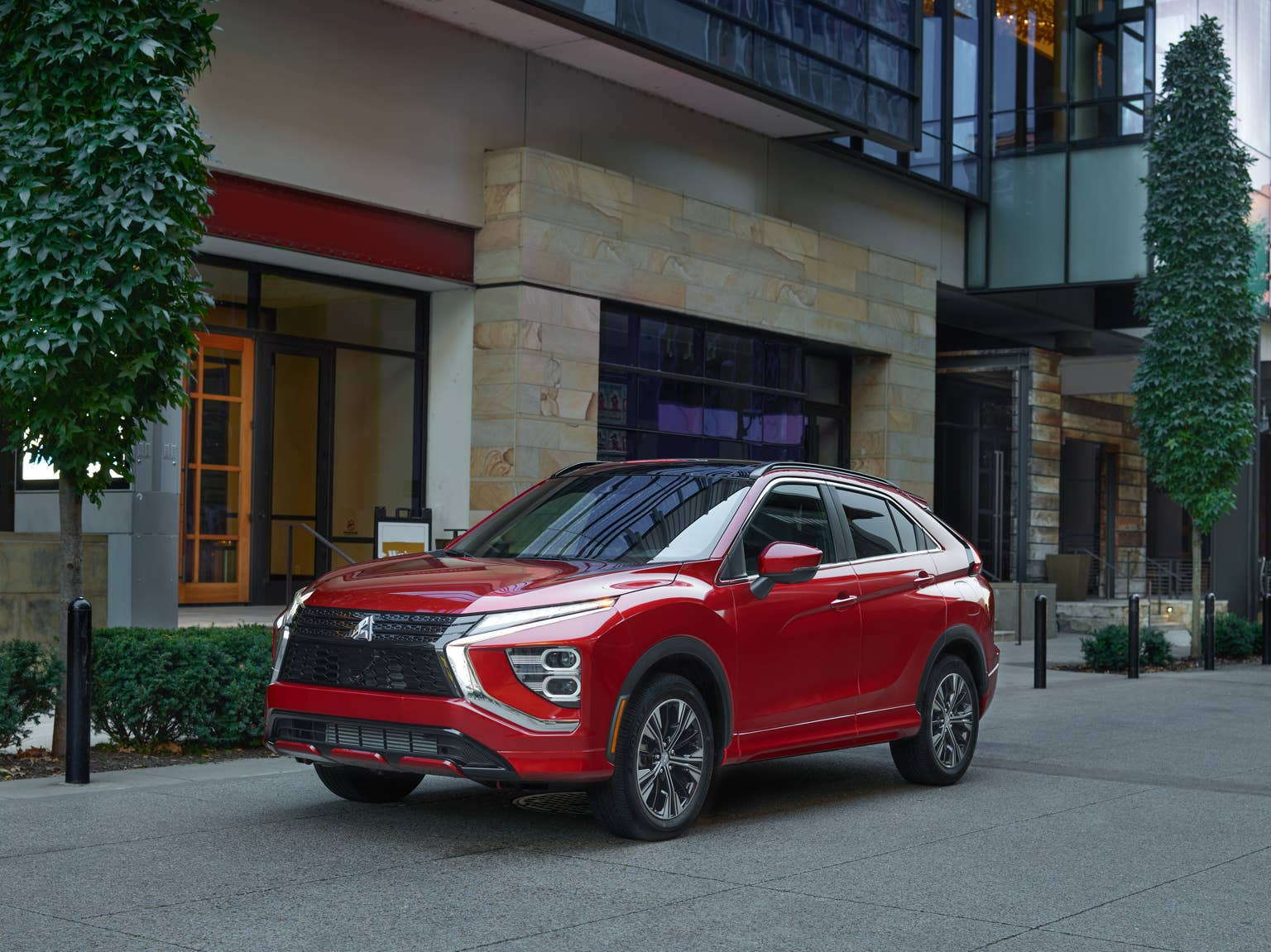
Despite those changes, Mitsubishi continues to collaborate with Nissan in the United States. One project involves a new electric vehicle called the Eclipse Sportback, which is based on the Nissan Leaf.
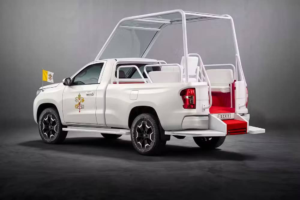
Mitsubishi is also exploring an entry into the U.S. pickup truck market through a collaboration with Nissan. The planned truck is expected to compete in the midsize segment against models such as the Toyota Tacoma and Ford Ranger.
Momentum 2030 Plan Adds Models and Dealerships
Mitsubishi has already outlined its U.S. strategy in its Momentum 2030 plan, which includes expanding its dealership network. The company has updated the plan to grow its lineup from four models to six by 2027.
The expanded lineup is set to include a rugged version of the Outlander aimed at adventure-oriented buyers. The model would target customers who might otherwise consider a Honda Passport TrailSport.
The plan reflects Mitsubishi’s effort to develop vehicles tailored to U.S. demand rather than simply adding models to fill gaps in its existing lineup.
Mitsubishi U.S. Sales Fall 6.6% in 2026
Mitsubishi sold 68,554 vehicles in the United States during the first nine months of 2026, marking a 6.6% decline compared with the same period a year earlier.
The decline was entirely attributable to the discontinued Mirage. Sales of Mitsubishi’s remaining models increased 14.3% over the same period, providing a positive result amid the overall drop.
The figures highlight the importance of Mitsubishi’s planned lineup expansion as it works to strengthen its position in the American market.
Mitsubishi Maintains Southeast Asia While Targeting Global Growth
Mitsubishi is not abandoning Southeast Asia as it shifts more new-product resources toward developed markets. The region still accounts for nearly one-third of the company’s global vehicle sales.
The automaker is targeting global sales of 900,000 vehicles in the fiscal year ending March 2030, an increase of 13% compared with fiscal 2025.
With its Momentum 2030 plan, expanded U.S. dealership network and upcoming models, Mitsubishi is pursuing growth in the United States while continuing to rely on Southeast Asia as a major part of its global business.