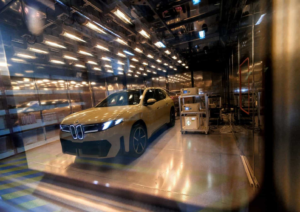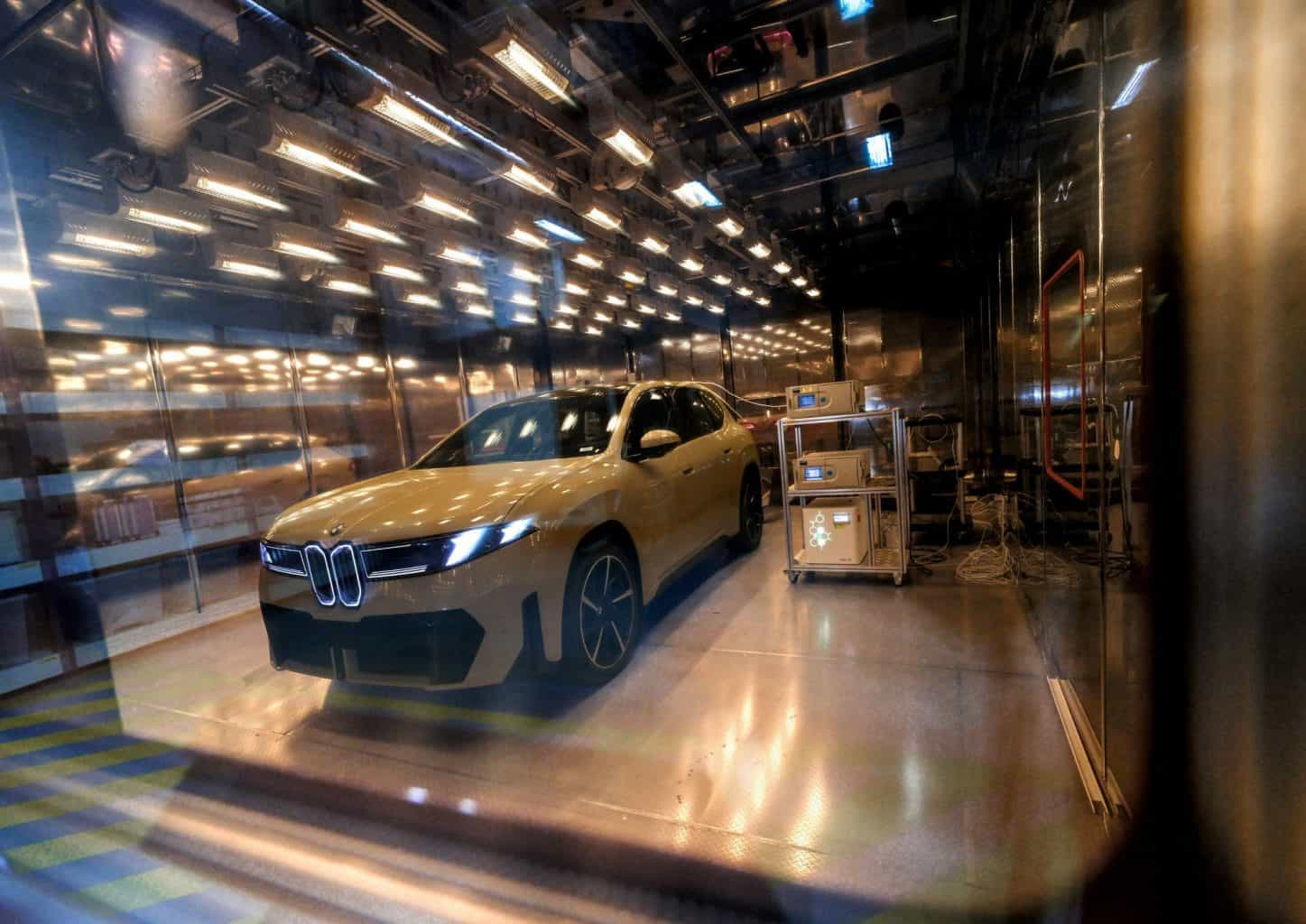
BMW is bringing decades of research into cabin odors and air quality to its Neue Klasse lineup, beginning with the long-wheelbase iX3 for China. The electric SUV combines low-emission interior materials with advanced air filtration and automated air-management features designed to help reduce exposure to polluted outside air.
The German automaker has spent more than 25 years studying how vehicle interiors smell and how their materials affect cabin air. Its specialized team of odor evaluators works alongside laboratories to identify unpleasant smells, assess interior components and help engineers improve the air quality inside its vehicles.
How BMW Tests Interior Materials and Cabin Odors
BMW established an odor laboratory in Munich in 1999 and opened a second facility in Shenyang, China, in 2014. The two laboratories combine global development expertise with local testing, with findings from China also contributing to the company’s worldwide product development.
Although instruments can measure chemical emissions, BMW also relies on trained specialists known as its “nose team” to evaluate how materials smell. Their assessments help engineers distinguish between materials that meet similar technical requirements but create different sensory experiences inside a vehicle.
The testing covers a wide range of interior materials, including leather, fabrics, plastics, adhesives and other components. BMW says its latest automotive-grade microfiber materials can reduce emissions of volatile organic compounds (VOCs), aldehydes and fogging substances.
These microfiber materials also avoid animal-derived proteins, which can contribute to unwanted odors as natural leather ages. BMW is also changing certain interior details: some speaker grilles in Neue Klasse vehicles use steel instead of plastic, reducing plastic use in those components while providing a more premium look and feel.
BMW Uses a Three-Stage Interior Validation Process
BMW’s approach to cabin air quality goes beyond a single odor test. The company uses a three-stage validation process that examines individual materials, larger components and the complete vehicle.
First, engineers assess individual materials for emissions and odors. The next stage evaluates components such as seats, dashboards, door panels and headliners.
Finally, BMW tests the complete vehicle to determine how different materials and interior configurations interact. This step is important because materials that perform well individually can produce different odors when combined, particularly as temperatures rise.
The process also extends beyond initial vehicle development. BMW uses its laboratories in Germany and China to maintain consistent standards across markets while incorporating local expertise into its global development work.
New BMW iX3 Adds Advanced Air Filtration
The second-generation BMW iX3 brings these efforts together through low-emission interior materials and a Nano Filter system that filters incoming air in multiple stages.
The SUV also features an active approach to cabin air management. When the system detects conditions such as tunnels or congested roads, it can adjust the air-recirculation mode to reduce the amount of polluted outside air entering the cabin.
Drivers can check air-quality index information, while automatic ventilation when parked and a pre-entry air-refresh function help prepare the interior before a journey begins.
BMW describes the system as a move from passive filtration toward active air management. Instead of only cleaning air after it enters the vehicle, the technology can respond to changing conditions and help limit exposure to outside pollutants.
China’s Role in BMW’s Global Air Quality Development
China has become an important contributor to BMW’s work on cleaner vehicle interiors. The automaker says methods and innovations developed for Chinese customers are increasingly being incorporated into global vehicle programs.
This development is supported by cooperation with local suppliers, research institutions and testing organizations. BMW’s laboratories in China and Germany help connect local findings with the company’s broader engineering efforts.
The Neue Klasse iX3 showcases more than a new electric platform, updated styling and next-generation infotainment. It also demonstrates BMW’s focus on interior materials, odor testing and air-management technology as part of the vehicle development process.
Through its nose team, laboratory testing and the iX3’s filtration and ventilation systems, BMW is addressing cabin air quality from material selection through everyday vehicle operation.