Volvo Cars is facing one of its most difficult periods in the U.S. market in half a century, as import tariffs, weaker electric vehicle demand and declining consumer confidence put pressure on its business. The automaker’s third-quarter results highlight the challenges, with company executives acknowledging that consumer confidence in the brand has reached a 50-year low.
Volvo Executives Acknowledge U.S. Market Challenges
Volvo Chief Commercial Officer Erik Severinson described the United States as a difficult market for generating profits during the company’s third-quarter earnings call last week. He also said consumer sentiment in the country was at its lowest point in 50 years.
CEO Hakan Samuelsson acknowledged that Volvo had not properly assessed the impact U.S. tariffs would have on its business. He said the company needs to increase its U.S. localization efforts to address the challenges.
Volvo is now working on ways to reduce tariff-related pressure, primarily by increasing local production. The company has also divided the U.S. market into four regions to support faster decision-making and improve sales.
EV Lineup Changes Add to Volvo’s U.S. Difficulties
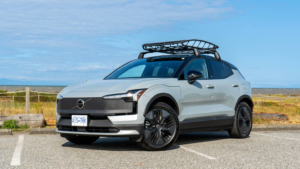
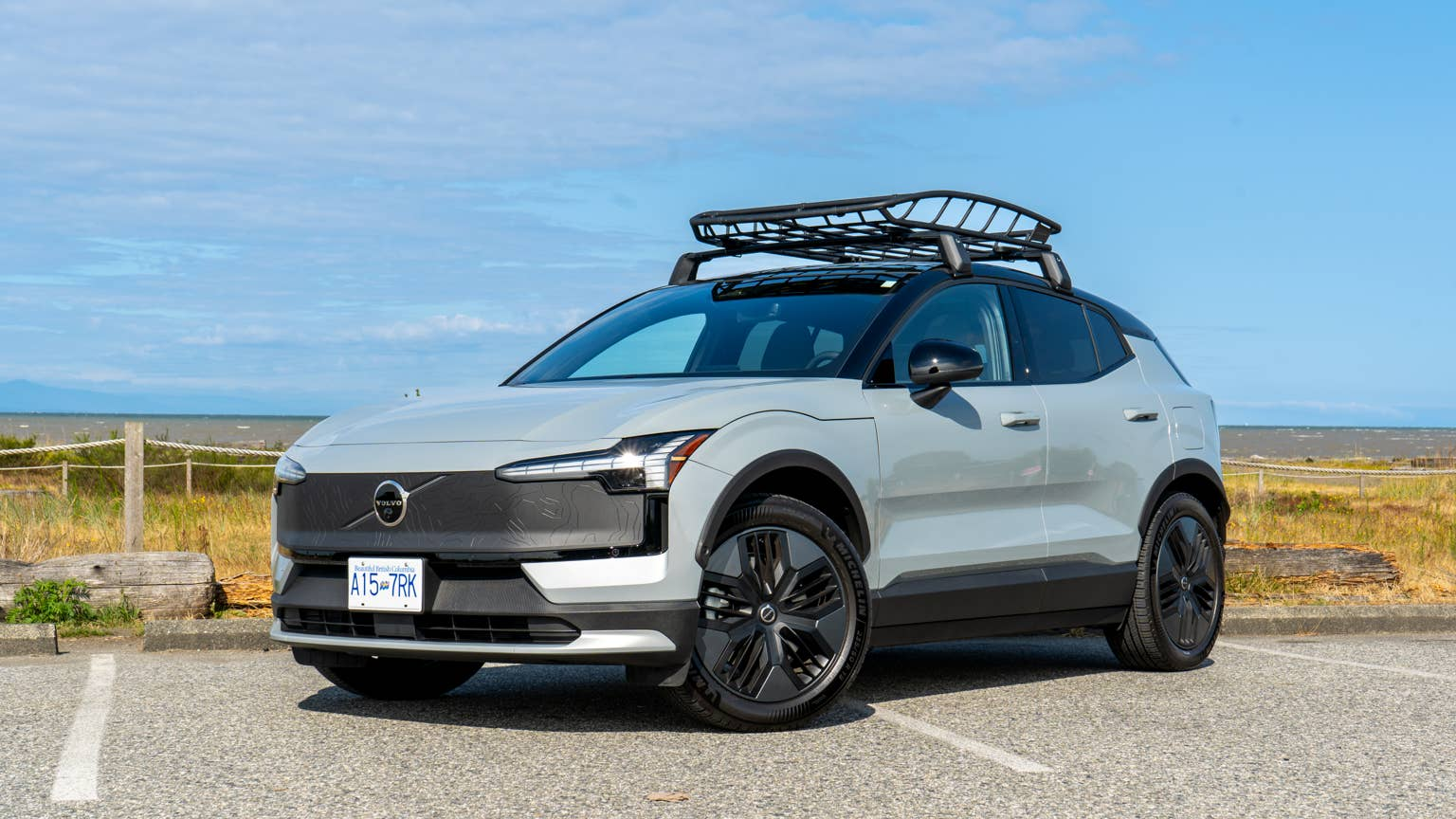
Volvo’s challenges have also been compounded by the discontinuation of its least expensive electric vehicles in the United States. The EX30 and EX40 will leave the U.S. lineup after the 2026 model year, while the launch of the EX60 has faced difficulties.
Those developments have created additional challenges for U.S. dealers and customers. Volvo has nevertheless promised a new global electric vehicle that will also reach the U.S. market in 2027, with a starting price below $40,000.
U.S. Production Could Help Volvo Recover
Increasing local production could play a central role in Volvo’s efforts to improve its U.S. business. Its South Carolina factory currently operates at just 20% of its annual capacity of 150,000 vehicles.
The Ridgeville facility, near Charleston, currently produces the Volvo EX90 and is expected to add the XC60, the company’s global best-selling model. By the end of the decade, Volvo also plans to build a next-generation hybrid model at the plant.
The factory currently assembles the Polestar 3 SUV as well. However, production is scheduled to end after the 2026 model year as Volvo’s sister brand faces a ban on selling vehicles in the United States starting next year.
Earlier this year, Volvo’s CEO said the company was willing to open its U.S. factory to other automakers to increase output at the underutilized facility.
Volvo Reports $482 Million Global Net Loss in Q3
Volvo Cars reported a global net loss of approximately $482 million in the third quarter, alongside an operating loss of $378 million. The results were driven by severe market contractions in China and the challenges affecting the company’s U.S. business.
The quarter was also affected by a negative $112 million revaluation of CAFE credits following legislative changes in the United States, unfavorable raw material developments and $92 million related to the recognition of Polestar’s losses in Q2 2026.
Volvo sold 23,766 vehicles in the United States during the third quarter, an 8.7% decline from the same period a year earlier. The company attributed the decrease to weaker consumer sentiment, increased SUV competition and softer demand for electrified vehicles.
Volvo Accelerates Plug-In Hybrid Launches
In response to changing market conditions, Volvo is accelerating the production start of long-range plug-in hybrid versions of the XC90 and XC60.
Deliveries of the two models are scheduled to begin in Europe this year, followed shortly afterward by the United States.
Volvo’s third-quarter performance underscores the pressure facing the automaker in the U.S. market, where declining sales, tariff costs and weaker demand for electrified vehicles have made profitability increasingly difficult.