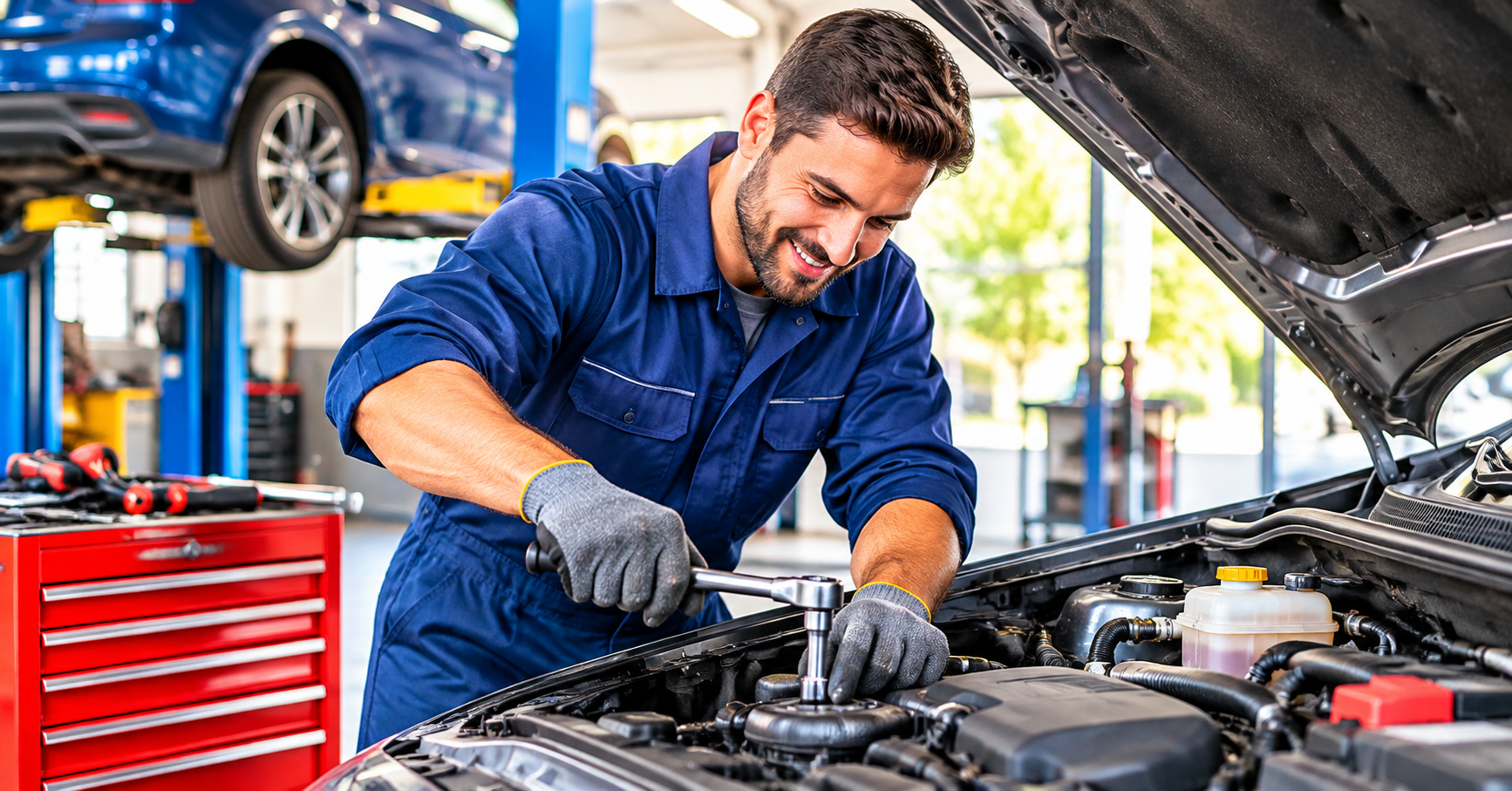
Keeping a vehicle reliable requires more than filling the gas tank and scheduling an occasional oil change. From the daily commute to weekend road trips across North Texas, drivers depend on their vehicles to perform safely and consistently. However, changing temperatures, heavy traffic, rough road conditions, and everyday wear can gradually affect essential automotive components. For drivers in McKinney, TX, understanding common maintenance needs and recognizing early warning signs can make a significant difference in vehicle safety, performance, and long-term ownership costs.
Regular vehicle care is essential for maintaining safety, reliability, and long-term performance. Following a consistent Car Maintenance routine can help drivers identify potential problems early, reduce unexpected repair expenses, and extend the life of important vehicle components. For McKinney drivers, working with an experienced automotive professional makes it easier to keep their vehicles in excellent operating condition.
Why Regular Vehicle Maintenance Matters in McKinney, TX
McKinney drivers experience a variety of conditions that can influence vehicle performance. Hot Texas summers can place additional demands on cooling systems, batteries, tires, and air conditioning components. Meanwhile, frequent stop-and-go traffic can accelerate brake and transmission wear.
Regular inspections help identify developing problems before they become expensive repairs. A small fluid leak, unusual engine noise, or slight change in braking performance may seem insignificant at first, but these symptoms can indicate underlying mechanical issues.
Preventive maintenance also helps preserve fuel efficiency, extend the useful life of important components, and improve overall driving confidence. Following the manufacturer’s recommended maintenance schedule is one of the simplest ways to protect a vehicle over time.
10 Important Auto Repair and Maintenance Services Every Driver Should Know
1. Auto Repair in McKinney, TX: Address Problems Before They Escalate
Professional auto repair covers a wide range of mechanical and electrical services designed to keep vehicles operating properly. Common concerns include fluid leaks, overheating, worn components, unusual vibrations, starting difficulties, and warning lights on the dashboard.
Ignoring these symptoms can allow relatively minor issues to develop into more complicated repairs. For example, an unnoticed cooling system problem may eventually contribute to engine overheating, while a small suspension issue can affect tire wear and vehicle handling.
When searching for auto repair in McKinney, TX, drivers should look for technicians who can explain their diagnostic findings, identify the cause of a problem, and provide a clear repair estimate before beginning work.
2. Finding a Reliable Mechanic in McKinney, TX
A dependable mechanic does more than replace damaged parts. A qualified automotive professional takes the time to understand a vehicle’s symptoms, perform appropriate inspections, and explain available repair options.
When choosing a mechanic in McKinney, TX, consider factors such as relevant experience, professional certifications, customer feedback, diagnostic capabilities, and transparency in pricing. It is also helpful to ask whether the shop provides written estimates and explains which repairs are urgent versus those that can be monitored.
Clear communication is particularly important when dealing with complicated mechanical problems. Drivers should understand what has failed, why the repair is necessary, and whether additional maintenance may be recommended.
3. Car Repair in McKinney, TX: Recognizing Common Warning Signs
Vehicles often provide warning signs before a component fails completely. Unusual noises, steering changes, fluid spots beneath the vehicle, burning smells, and dashboard warning indicators should never be dismissed without investigation.
Common repair needs include replacing worn belts, repairing leaking hoses, addressing cooling system problems, servicing the battery and charging system, and correcting engine performance issues.
Drivers looking for car repair in McKinney, TX, should avoid relying on guesswork or repeatedly clearing warning lights without identifying their underlying cause. Proper inspection and diagnosis are essential for determining the correct solution.
4. Brake Repair in McKinney, TX: Protecting Your Stopping Ability
Your braking system is among the most important safety features in your vehicle. It must respond consistently in different driving situations, including sudden stops, heavy traffic, and wet road conditions.
Several warning signs can indicate the need for brake repair:
- Squealing, grinding, or scraping noises when braking.
- Vibrations or pulsations through the brake pedal.
- A brake pedal that feels unusually soft or sinks toward the floor.
- The vehicle pulling to one side during braking.
- A brake warning light appearing on the dashboard.
Brake service may involve inspecting or replacing brake pads, checking rotors, examining calipers, evaluating brake fluid, and identifying problems with other hydraulic components.
Because braking problems directly affect road safety, drivers should arrange an inspection promptly when they notice unusual behavior. If braking performance is severely reduced, avoid driving the vehicle and arrange professional assistance.
5. Engine Diagnostics in McKinney, TX: Understanding Dashboard Warning Lights
Modern vehicles rely on electronic sensors and onboard computers to monitor engine performance and emissions-related systems. When the vehicle detects an abnormal condition, it may activate the check engine light or store diagnostic trouble codes.
Engine diagnostics in McKinney, TX, can help technicians investigate problems involving ignition systems, fuel delivery, emissions controls, sensors, and other engine-related components.
However, a diagnostic trouble code does not automatically identify a failed part. It provides information about a detected condition that requires further testing. Replacing components based only on a code without proper diagnosis can lead to unnecessary expenses.
A systematic diagnostic process helps identify the actual source of the problem and supports more accurate repairs.
6. Auto AC Repair in McKinney, TX: Staying Comfortable During Texas Summers
Air conditioning is more than a convenience in North Texas. During hot summer weather, a properly functioning AC system makes everyday driving considerably more comfortable.
If the air conditioning produces warm air, cools inconsistently, makes unusual noises, or develops an unpleasant odor, the system may require inspection.
Possible causes include refrigerant leaks, compressor problems, restricted airflow, electrical faults, malfunctioning cooling fans, or issues with the cabin air filter.
Professional auto AC repair in McKinney, TX, typically begins with evaluating system pressures, checking for leaks, inspecting electrical components, and identifying the reason for reduced cooling performance.
Rather than simply adding refrigerant whenever cooling becomes weak, drivers should have the system checked to determine whether a leak or another mechanical issue is responsible.
7. Transmission Repair in McKinney, TX: Maintaining Smooth Performance
The transmission transfers engine power to the wheels and plays a critical role in vehicle operation. Problems within this system can affect acceleration, shifting, fuel efficiency, and overall drivability.
Potential warning signs include delayed engagement, slipping gears, harsh shifting, unusual whining noises, fluid leaks, and unexpected changes in engine RPM.
Transmission repair in McKinney, TX, may involve addressing fluid-related problems, inspecting electronic controls, repairing damaged components, or performing more extensive mechanical work depending on the vehicle and the underlying issue.
Drivers should consult their vehicle manufacturer’s maintenance recommendations regarding transmission fluid inspection and servicing. Early attention to shifting problems can help prevent additional damage.
8. Automotive Electrical Repair in McKinney, TX: Solving Modern Vehicle Electrical Problems
Today’s vehicles depend on increasingly sophisticated electrical systems. The battery, alternator, starter, wiring, sensors, control modules, lighting, and electronic accessories must work together to support reliable operation.
Electrical problems can produce symptoms that are sometimes difficult to identify. A vehicle may experience intermittent starting issues, flickering lights, malfunctioning windows, battery drain, or unexpected dashboard warnings.
Automotive electrical repair in McKinney, TX, requires appropriate diagnostic equipment and an understanding of vehicle wiring diagrams and electronic systems.
Replacing a battery may temporarily resolve certain symptoms, but if the actual cause involves a faulty alternator, damaged wiring, or an electrical drain, the problem can return. Accurate testing helps prevent unnecessary parts replacement.
9. Suspension Repair in McKinney, TX: Improving Stability and Ride Quality
Your vehicle’s suspension system helps maintain tire contact with the road while absorbing impacts from bumps and uneven surfaces. It also contributes to steering stability, handling, and passenger comfort.
Common suspension warning signs include:
- Excessive bouncing after driving over bumps.
- Clunking or knocking sounds over uneven roads.
- Uneven or unusually rapid tire wear.
- Vehicle leaning or dipping during turns and braking.
- Changes in steering response or overall stability.
Suspension repair in McKinney, TX, may involve inspecting shocks, struts, control arms, ball joints, bushings, and related steering components.
Because suspension problems can influence handling and tire performance, unusual noises or changes in vehicle stability should be investigated rather than ignored.
10. Check Engine Light Diagnosis in McKinney, TX: Don’t Ignore the Warning
The check engine light can indicate anything from a relatively minor emissions-related issue to a more serious engine problem. Its appearance does not always mean the vehicle needs immediate major repairs, but it should not be ignored.
A loose fuel cap, faulty sensor, ignition problem, or emissions system malfunction may trigger the warning. Other issues can affect engine performance and require prompt attention.
Professional check engine light diagnosis in McKinney, TX, involves retrieving stored trouble codes, reviewing relevant vehicle data, and performing additional tests to confirm the cause.
A steady warning light generally calls for arranging an inspection as soon as reasonably possible. A flashing check engine light can indicate a serious problem, such as an active engine misfire that may damage the catalytic converter. In that situation, reduce driving and seek professional assistance promptly.
Simple Car Maintenance Habits That Can Prevent Expensive Repairs
Although some mechanical problems are unavoidable, consistent preventive care can reduce the likelihood of unexpected breakdowns. Drivers do not need advanced mechanical knowledge to follow several useful maintenance habits.
Check Engine Oil and Other Essential Fluids
Engine oil reduces friction and helps control operating temperatures. Checking the oil level regularly and following the manufacturer’s recommended oil-change intervals can help protect internal engine components.
Coolant, brake fluid, transmission fluid, and windshield washer fluid should also be inspected according to the vehicle’s maintenance schedule and manufacturer specifications.
Monitor Tire Pressure and Condition
Incorrect tire pressure can contribute to uneven wear, reduced fuel efficiency, and compromised handling. Check tire pressure when the tires are cold and use the recommended pressure listed on the vehicle’s information label.
Drivers should also inspect tread depth and look for visible damage, bulges, or unusual wear patterns.
Pay Attention to Unusual Sounds and Smells
New noises and unusual odors can provide valuable clues about developing mechanical problems. Grinding, squealing, knocking, burning smells, or the smell of leaking fluids should be investigated promptly.
Follow the Manufacturer’s Maintenance Schedule
Every vehicle has specific maintenance requirements based on its design, engine, mileage, and operating conditions. Following the owner’s manual helps drivers understand when inspections, fluid services, filter replacements, and other maintenance procedures are recommended.
How to Choose the Right Auto Repair Shop in McKinney, TX
Finding an automotive repair shop is not simply about choosing the lowest advertised price. The quality of diagnosis, repair procedures, replacement parts, and customer communication can influence both the immediate result and the vehicle’s long-term reliability.
Before selecting a repair provider, consider the following factors:
- Experience and qualifications: Look for technicians with relevant training and experience working on your vehicle’s make and model.
- Diagnostic capabilities: Modern vehicles require suitable diagnostic tools and systematic troubleshooting.
- Transparent estimates: Request a clear explanation of labor, parts, and any additional recommended services.
- Customer reviews: Read recent feedback to understand how a business handles communication, repairs, and customer concerns.
- Warranty information: Ask whether repairs and replacement parts are covered by a warranty and request the terms in writing.
- Clear communication: A trustworthy provider should explain problems in understandable language and answer questions without unnecessary pressure.
It is also reasonable to request a second opinion when a repair recommendation involves a substantial expense or when the diagnosis is unclear.
When Should You Schedule Professional Automotive Service?
Some maintenance tasks can be handled through regular owner inspections, but other problems require professional tools and technical expertise.
Consider arranging an automotive inspection when you notice any of the following:
- Repeated difficulty starting the engine.
- Warning lights that remain illuminated.
- Unusual vibrations during acceleration or braking.
- Fluid leaking beneath the vehicle.
- Reduced fuel economy without an obvious explanation.
- Overheating or temperature gauge fluctuations.
- Changes in steering, braking, or transmission performance.
Do not wait for a vehicle to stop working before addressing developing problems. Early diagnosis often provides more repair options and helps drivers make better decisions about maintenance expenses.
Final Thoughts: Protect Your Vehicle with Consistent Maintenance
Reliable transportation depends on more than the condition of the engine. Brakes, tires, suspension components, transmission systems, electrical equipment, and air conditioning all contribute to a vehicle’s overall performance and safety.
For drivers in McKinney, TX, developing consistent maintenance habits and responding promptly to warning signs can help reduce unexpected repair costs and support dependable everyday driving.
Whether you need routine inspections or assistance diagnosing a specific mechanical problem, take the time to understand the recommended service and choose an automotive professional who values accurate diagnostics, transparent communication, and quality workmanship. A proactive approach to vehicle care today can help keep your car performing reliably for many miles ahead.
Frequently Asked Questions About Auto Repair in McKinney, TX
How often should I have my vehicle inspected?
Inspection intervals depend on the vehicle’s age, mileage, manufacturer recommendations, and driving conditions. Follow the maintenance schedule in your owner’s manual and arrange an inspection whenever you notice unusual symptoms.
What does it mean when the check engine light comes on?
It means the vehicle’s onboard diagnostic system has detected a condition that requires investigation. Possible causes include sensor faults, ignition problems, and emissions system issues. A diagnostic scan followed by appropriate testing can help identify the underlying cause.
How can I tell if my brakes need repair?
Common warning signs include squealing or grinding noises, pedal vibrations, reduced stopping performance, and a soft brake pedal. Any significant change in braking behavior should be inspected promptly.
Why is my car’s air conditioning blowing warm air?
Possible causes include low refrigerant due to a leak, compressor problems, electrical faults, restricted airflow, or cooling fan issues. A professional AC inspection can identify the specific problem.
Is it safe to drive with the check engine light on?
A steady check engine light may allow limited driving depending on the vehicle’s behavior, but the problem should be diagnosed promptly. If the light flashes, the engine runs roughly, or the vehicle loses power, stop driving when safe and seek professional assistance.
How can I reduce my long-term vehicle repair costs?
Follow the manufacturer’s maintenance schedule, monitor fluid levels and tire pressure, address warning signs early, and have unusual noises or performance changes inspected before they develop into more serious problems.