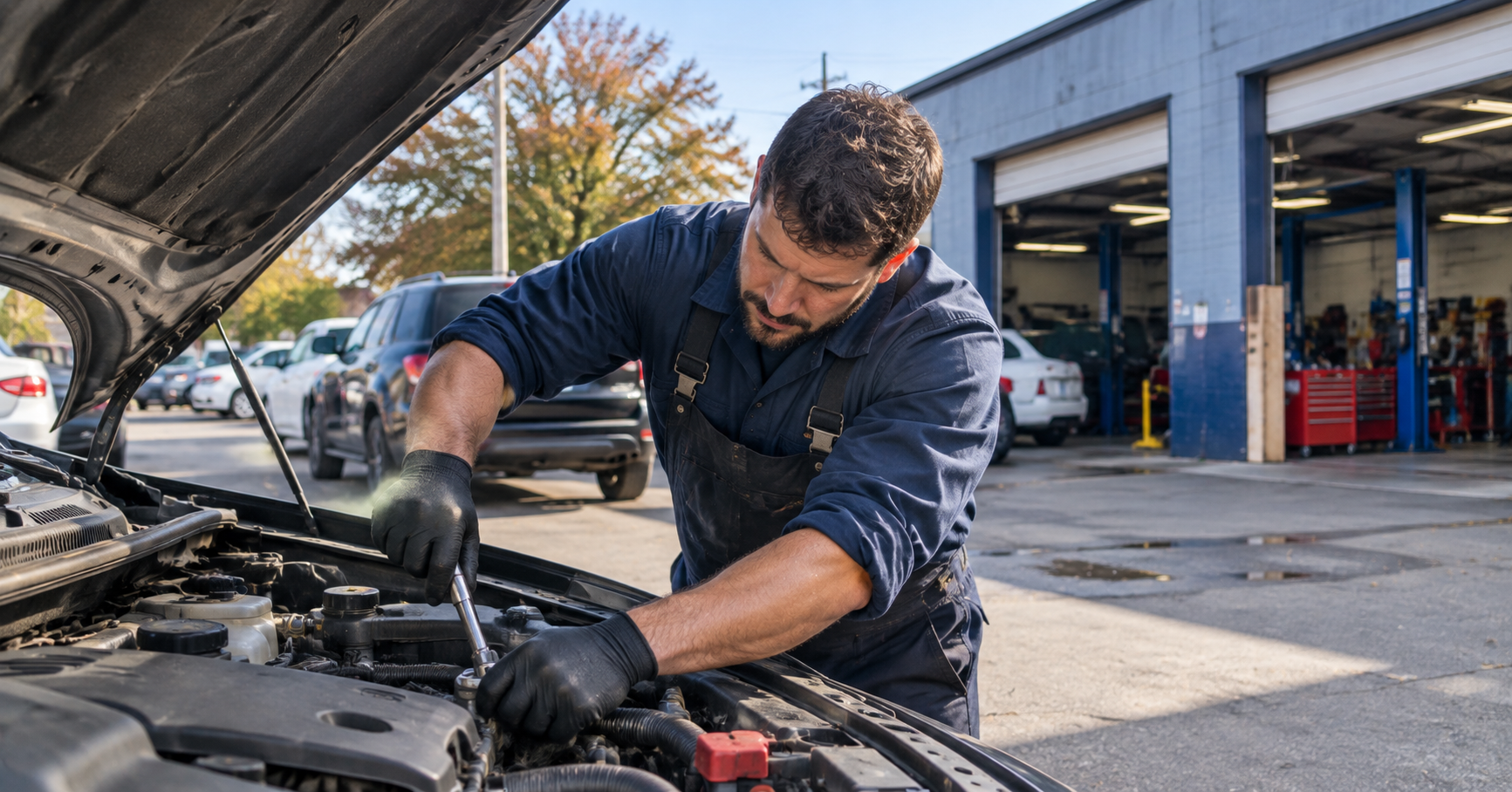
Keeping your vehicle dependable requires more than occasional maintenance. Whether you drive a passenger car through Baltimore, commute daily around Hazelwood, or operate a commercial truck across Maryland, regular inspections and timely repairs can make a significant difference in your vehicle’s safety, performance, and long-term operating costs. Ignoring minor mechanical issues can eventually lead to expensive breakdowns, unexpected delays, and potentially dangerous driving conditions.
Finding dependable Auto Repair Hazelwood MD services is an important step toward protecting your vehicle and maintaining its reliability. From routine oil changes and tire services to advanced engine diagnostics, brake repairs, and heavy-duty truck maintenance, understanding your vehicle’s needs helps you make better decisions when choosing an automotive repair provider.
This guide explores common automotive problems, essential maintenance services, commercial vehicle considerations, and practical ways drivers in Hazelwood and the greater Baltimore area can keep their vehicles operating safely.
Why Regular Auto Maintenance Matters
Every vehicle experiences normal wear and tear. Engine components, brakes, tires, suspension systems, and electrical connections gradually deteriorate through everyday use. Driving in changing weather conditions, navigating traffic, and frequently stopping and starting can accelerate this process.
Regular maintenance helps identify developing problems before they become major mechanical failures. It also gives vehicle owners a better understanding of their cars’ overall condition and helps them plan repairs before unexpected expenses arise.
Preventing Expensive Mechanical Problems
A small oil leak, worn brake pad, or damaged suspension component may initially seem insignificant. However, ignoring these issues can create additional stress on connected systems.
For example, delaying an oil change can contribute to increased engine friction and accelerated internal wear. Similarly, driving with improperly inflated tires can affect handling, fuel efficiency, and tire longevity.
Preventive maintenance focuses on identifying these concerns early. Following the manufacturer’s recommended service schedule and responding to unusual vehicle behavior are two practical ways to reduce the risk of unexpected repairs.
Improving Road Safety and Reliability
Vehicle safety depends on several systems working together. Brakes must respond correctly, tires must maintain sufficient traction, steering components must operate smoothly, and lights must provide adequate visibility.
A professional inspection can help identify worn or damaged components that may compromise vehicle performance. Addressing these problems promptly is especially important for drivers who depend on their vehicles for daily commuting, family transportation, or business operations.
Finding Reliable Auto Repair in Hazelwood, MD
Choosing an automotive repair provider should involve more than comparing prices. Vehicle owners should look for clear communication, accurate diagnostic procedures, reasonable estimates, and a willingness to explain recommended repairs.
Different vehicles also require different levels of technical knowledge. A routine maintenance appointment for a compact sedan is not the same as diagnosing a modern diesel engine or repairing a commercial truck transmission.
What to Look for in an Auto Repair Provider
Before scheduling a repair appointment, consider several important factors:
- Diagnostic capabilities: Modern vehicles contain complex electronic systems that may require specialized diagnostic equipment.
- Service transparency: A dependable repair provider should explain identified problems and discuss recommended solutions before performing additional work.
- Experience with your vehicle: Different manufacturers and vehicle types have specific maintenance requirements.
- Written estimates: Request a clear breakdown of labor, parts, and any additional charges.
- Customer communication: You should receive understandable updates about repair progress and any unexpected findings.
- Service documentation: Keeping records of completed maintenance and repairs helps you monitor your vehicle’s condition over time.
These considerations can help drivers in Hazelwood and Baltimore make informed decisions and avoid unnecessary repair expenses.
Brake Repair in Hazelwood: Recognizing Warning Signs
Your braking system is one of the most important safety features in your vehicle. It allows you to slow down, stop in traffic, and maintain control during unexpected situations.
Brake components gradually wear down through regular use. Brake pads, rotors, calipers, and hydraulic components should be inspected periodically to ensure that the entire system functions properly.
Common Signs That Your Brakes Need Attention
Several warning signs may indicate that your vehicle needs brake repair in Hazelwood:
- Squealing noises: High-pitched sounds when braking may indicate worn brake pads or other brake-related issues.
- Grinding sounds: Metal-on-metal noises can suggest severe brake component wear and require prompt attention.
- Steering wheel vibration: Vibrations during braking may be associated with rotor problems or other mechanical concerns.
- Soft brake pedal: A pedal that feels unusually soft or sinks toward the floor may indicate a hydraulic problem.
- Longer stopping distances: Reduced braking performance can make it more difficult to stop safely.
- Brake warning lights: Dashboard warnings should be investigated rather than ignored.
Why Brake Inspections Should Not Be Delayed
Continuing to drive with damaged brakes can increase repair costs and create serious safety risks. Worn brake pads may damage rotors, while problems involving brake fluid or hydraulic components can affect the entire braking system.
A proper inspection helps determine which components need attention. Depending on the vehicle’s condition, recommended work may include brake pad replacement, rotor servicing or replacement, caliper repairs, and hydraulic system checks.
Drivers should also pay attention to changes in braking performance after repairs. Any unusual noise, vibration, or warning light should be evaluated promptly.
Oil Change in Hazelwood: Protecting Your Engine
Engine oil performs several essential functions. It lubricates moving components, reduces friction, helps manage heat, and carries certain contaminants toward the oil filter.
Over time, oil gradually loses some of its effectiveness. Its condition can be affected by mileage, engine design, driving habits, operating temperatures, and the type of oil used.
How Often Should You Change Your Engine Oil?
There is no single oil change interval that applies to every vehicle. Manufacturers establish maintenance schedules based on engine design and recommended oil specifications.
Some newer vehicles use synthetic oil and advanced monitoring systems that help determine when maintenance is needed. Older vehicles or those operating under demanding conditions may require different service intervals.
Drivers should consult their owner’s manual and follow the recommended maintenance schedule instead of relying exclusively on a universal mileage rule.
Warning Signs of an Oil-Related Problem
Watch for the following symptoms:
- Oil pressure warning lights on the dashboard.
- Visible oil spots beneath the vehicle.
- Unusual engine noises or increased mechanical noise.
- Burning oil odors while driving.
- Oil levels that repeatedly drop between maintenance appointments.
Low oil pressure can cause serious engine damage. If the oil pressure warning light appears while driving, safely stop the vehicle and follow the manufacturer’s instructions rather than continuing to operate the engine.
Tire Services in Hazelwood: Maintaining Traction and Control
Tires are the only parts of your vehicle that directly contact the road. Their condition affects braking, steering, acceleration, and overall driving stability.
Regular tire maintenance is particularly important for Maryland drivers who experience changing seasonal temperatures, wet roads, and varying road conditions throughout the year.
Common Tire Problems
Some of the most common tire-related concerns include:
- Uneven tread wear: May indicate incorrect inflation, alignment problems, or suspension issues.
- Low tire pressure: Can increase rolling resistance and affect handling.
- Sidewall damage: Cuts, bulges, and visible structural damage may indicate that a tire is unsafe.
- Excessive vibration: May be associated with wheel imbalance, tire damage, or suspension problems.
- Insufficient tread depth: Reduces the tire’s ability to maintain traction, particularly on wet surfaces.
Essential Tire Maintenance Services
Depending on the condition of the vehicle, tire maintenance may include pressure checks, tire rotations, wheel balancing, alignment inspections, puncture assessments, and tire replacement.
Wheel alignment is especially important when a vehicle pulls to one side or its tires show uneven wear. Proper alignment helps maintain predictable steering behavior and can extend tire life.
Drivers should also check their tire pressure regularly using the recommended pressure listed on the vehicle’s tire information label, rather than relying on the maximum pressure printed on the tire sidewall.
Engine Diagnostics in Baltimore, MD
Modern automotive engines rely on electronic control modules and numerous sensors to monitor performance. These systems collect information about engine operation, fuel delivery, emissions-related components, and other important functions.
When the onboard computer detects an abnormal condition, it may store a diagnostic trouble code and activate a warning light on the dashboard.
Understanding Check Engine Light Diagnosis in Baltimore
The check engine light is one of the most recognizable dashboard warnings. However, it does not automatically mean that the engine itself has suffered a major failure.
Possible causes include:
- A loose or damaged fuel cap.
- Faulty oxygen sensors.
- Mass airflow sensor problems.
- Ignition system or spark plug issues.
- Fuel delivery problems.
- Evaporative emissions system leaks.
- Catalytic converter-related faults.
Professional check engine light diagnosis in Baltimore generally begins with retrieving stored diagnostic trouble codes. A technician can then evaluate the related components and perform additional testing to identify the underlying cause.
It is important to understand that a diagnostic code identifies a system or condition that needs investigation. It does not always identify the exact failed part.
A flashing check engine light can indicate a serious engine misfire that may damage the catalytic converter. Drivers should reduce driving and arrange prompt professional evaluation.
Why Accurate Engine Diagnostics Matter
Replacing components based only on a dashboard warning or an isolated trouble code can lead to unnecessary expenses. Proper diagnosis combines electronic scan information with physical inspections, testing procedures, and an understanding of the vehicle’s symptoms.
This approach helps identify the actual problem and supports more effective repair decisions.
Transmission Repair in Baltimore, MD
The transmission transfers engine power to the wheels and helps the vehicle operate at different speeds. Whether a vehicle uses an automatic, manual, or continuously variable transmission, its performance depends on properly functioning mechanical and hydraulic components.
Transmission problems can develop gradually or appear suddenly. Early symptoms should be investigated before continued operation causes additional damage.
Common Transmission Warning Signs
- Delayed engagement when shifting into drive or reverse.
- Slipping gears or unexpected changes in engine speed.
- Unusual grinding, whining, or clunking sounds.
- Fluid leaks beneath the vehicle.
- Rough or inconsistent shifting.
- Transmission warning messages or dashboard lights.
- Burning odors during operation.
How Transmission Maintenance Helps
Transmission service requirements vary significantly between manufacturers and transmission types. Some vehicles require periodic fluid replacement, while others use specialized fluids and service procedures.
Following the manufacturer’s recommendations is essential. Using the wrong fluid or an incorrect maintenance procedure can create additional problems.
When transmission symptoms appear, a thorough evaluation can help determine whether the issue involves fluid condition, sensors, electrical controls, internal mechanical components, or another related system.
Steering and Suspension Repair in Baltimore
Your vehicle’s steering and suspension systems work together to maintain control, stability, and driving comfort. These systems also help keep the tires in consistent contact with the road.
Over time, components such as shocks, struts, ball joints, control arms, tie rods, and bushings can wear out.
Symptoms of Steering and Suspension Problems
Drivers should pay attention to symptoms such as:
- Excessive bouncing after driving over bumps.
- Clunking or knocking noises from the suspension.
- Steering wheel vibration.
- Uneven tire wear.
- Difficulty maintaining a straight driving path.
- Excessive body movement when turning.
- Unusual looseness in the steering wheel.
Steering and suspension repair in Baltimore should begin with identifying the specific component responsible for the problem. Replacing parts without understanding the underlying cause may not resolve the vehicle’s handling issues.
Proper inspections can help identify worn components and determine whether additional alignment work is necessary after repairs.
Diesel Repair in Baltimore, MD
Diesel-powered vehicles serve a wide range of purposes, from personal transportation to commercial hauling and industrial operations. Their engines are designed differently from gasoline engines and require specialized maintenance knowledge.
Diesel systems commonly include high-pressure fuel injection, turbochargers, glow plugs, exhaust aftertreatment components, and sophisticated electronic controls.
Common Diesel Engine Problems
Some issues that may affect diesel vehicles include:
- Hard starting or failure to start.
- Reduced engine power.
- Excessive exhaust smoke.
- Fuel injection system problems.
- Turbocharger performance issues.
- Diesel particulate filter restrictions.
- Unusual engine vibration or noise.
- Warning lights related to emissions systems.
These symptoms can have multiple causes, making accurate diagnosis important. For example, reduced engine power may result from fuel delivery restrictions, sensor faults, turbocharger problems, or exhaust aftertreatment issues.
Why Diesel Maintenance Requires Special Attention
Diesel engines often operate under demanding conditions, particularly in commercial applications. Proper oil specifications, fuel filtration, cooling system maintenance, and manufacturer-recommended service intervals are important for long-term reliability.
Drivers and fleet operators in the Baltimore area should address developing problems before they lead to extended vehicle downtime or interruptions to scheduled deliveries.
Heavy Truck Repair in Baltimore
Heavy-duty trucks are essential to transportation, construction, logistics, and many other industries. Because these vehicles frequently carry substantial loads and travel long distances, their mechanical systems operate under considerable stress.
Regular maintenance is necessary to support safe operation and reduce the likelihood of unexpected breakdowns.
Important Heavy-Duty Truck Systems
Several systems deserve particular attention during routine maintenance:
- Engine and cooling system: Proper engine operation depends on adequate lubrication, cooling, and fuel delivery.
- Air brake system: Air pressure, brake chambers, hoses, and related components must function correctly.
- Transmission and drivetrain: These components transfer power and must withstand demanding operating conditions.
- Suspension and steering: Properly maintained components support stability and vehicle control.
- Tires and wheels: Tire condition, inflation, and wheel integrity are essential for safe commercial operation.
- Electrical systems: Batteries, wiring, lighting, and charging components support essential vehicle functions.
When evaluating heavy truck repair in Baltimore, operators should consider the type of vehicle, its operating conditions, maintenance history, and the technical requirements of the suspected repair.
Fleet Vehicle Repair in Baltimore: Keeping Business Vehicles Moving
Businesses that operate multiple vehicles face maintenance challenges that individual vehicle owners may not experience. A mechanical problem affecting one vehicle can disrupt schedules, increase operating expenses, and affect customer service.
Fleet vehicle repair in Baltimore involves maintaining several vehicles while balancing maintenance costs, operational requirements, and vehicle availability.
Building a Practical Fleet Maintenance Program
A structured maintenance program can help fleet operators identify problems before they cause unexpected downtime.
Useful practices include:
- Maintaining an individual service record for every vehicle.
- Scheduling inspections based on mileage, engine hours, and manufacturer recommendations.
- Checking tires, brakes, lighting, and fluid levels regularly.
- Encouraging drivers to report unusual noises, warning lights, and handling problems.
- Tracking recurring mechanical issues across the fleet.
- Planning preventive maintenance around operating schedules.
- Keeping records of completed repairs and replacement parts.
Reducing Unexpected Fleet Downtime
Waiting until a vehicle breaks down is often more expensive than addressing developing problems early. Preventive maintenance helps fleet managers make repair decisions based on vehicle condition rather than emergency circumstances.
For businesses operating throughout Baltimore and surrounding Maryland communities, an organized maintenance approach can support more predictable transportation operations.
Maryland State Vehicle Inspection: What Drivers Should Know
Vehicle inspections are an important part of maintaining road safety. Maryland has specific requirements concerning vehicle safety inspections, and drivers should understand when these requirements apply.
According to the Maryland Motor Vehicle Administration, most applicable used vehicles must pass a Maryland safety inspection before they can be titled and registered. The inspection evaluates important vehicle components to determine whether they meet the state’s minimum safety standards.
What Does a Maryland Safety Inspection Cover?
Depending on the vehicle classification and applicable inspection requirements, important areas may include:
- Brake system condition and operation.
- Tires and wheel-related components.
- Steering and suspension systems.
- Exterior lighting and electrical equipment.
- Windshield, mirrors, and visibility-related components.
- Windshield wipers and other required safety equipment.
- Exhaust system condition.
Drivers should remember that a safety inspection and an emissions inspection are different procedures. A safety inspection evaluates vehicle safety components, while an emissions inspection measures pollution-related performance for vehicles covered by Maryland’s Vehicle Emissions Inspection Program.
What Happens If a Vehicle Fails Inspection?
If a vehicle does not meet the applicable safety requirements, the inspection report identifies the items that need attention. The owner must arrange the necessary repairs and return for reinspection according to the applicable rules.
Maryland’s MVA states that a safety inspection certificate is generally valid for 90 days from the date of issuance. Drivers should confirm the applicable requirements and certificate validity before completing the title and registration process.
It is also important to use a Maryland State Police-licensed safety inspection station authorized to inspect the specific vehicle classification.
DOT Inspection in Baltimore, MD: Commercial Vehicle Compliance
Commercial vehicle operators have additional responsibilities concerning vehicle maintenance and safety. Federal regulations establish inspection, repair, and maintenance requirements for commercial motor vehicles operating under applicable federal motor carrier rules.
Understanding these responsibilities is important for trucking companies, independent operators, and fleet managers who depend on commercial vehicles for transportation and business operations.
Understanding Annual Commercial Vehicle Inspections
Under 49 CFR Section 396.17, applicable commercial motor vehicles must undergo periodic inspections at least once every 12 months. The inspection must cover the components identified in the federal regulation’s inspection standards.
Depending on the vehicle, inspection areas can include:
- Service brakes and related components.
- Steering mechanisms.
- Lighting and electrical equipment.
- Tires and wheels.
- Suspension components.
- Coupling devices.
- Exhaust systems.
- Other required safety equipment.
Commercial operators should maintain the required inspection documentation and ensure that identified safety defects are addressed before vehicles return to service.
Why Commercial Operators Should Plan Ahead
Unplanned inspections and mechanical failures can interfere with delivery schedules and create additional operating costs. Keeping accurate maintenance records and scheduling inspections ahead of deadlines can help businesses manage their responsibilities more effectively.
Before arranging a DOT inspection in Baltimore, MD, operators should confirm that the inspection provider is qualified and equipped to handle the specific vehicle type and applicable requirements.
How to Choose the Right Automotive Repair Service
Whether you need a basic oil change or a complicated mechanical repair, choosing the right provider can influence the quality and value of the service you receive.
Before making a decision, consider the following steps.
1. Describe Your Vehicle’s Symptoms Clearly
Explain when the problem occurs, how long it has been happening, and whether any dashboard warning lights have appeared. Mention unusual sounds, smells, vibrations, or changes in performance.
These details can help the technician understand the issue and determine which diagnostic procedures may be necessary.
2. Request an Explanation of the Diagnosis
A repair recommendation should be supported by an identifiable problem. Ask which component has failed, how the issue was confirmed, and whether additional testing is needed.
Understanding the diagnosis makes it easier to compare repair options and avoid replacing parts unnecessarily.
3. Review the Repair Estimate
Before authorizing work, request an estimate that explains the expected labor, replacement parts, and other applicable costs.
If additional problems are discovered during the repair, ask for an explanation and an updated estimate before approving the extra work.
4. Consider Long-Term Maintenance Needs
Some repairs address an immediate problem, while others may reveal additional maintenance requirements. Ask which services are urgent, which can be scheduled later, and how each recommendation relates to the manufacturer’s maintenance schedule.
5. Keep Your Service Records
Save invoices, inspection reports, and maintenance documentation. These records can help identify recurring problems, track maintenance intervals, and provide useful information if you sell the vehicle in the future.
Seasonal Car Maintenance Tips for Maryland Drivers
Weather conditions can affect vehicle performance throughout the year. Preparing your vehicle for seasonal changes is a practical way to reduce avoidable mechanical problems.
Preparing for Winter
Cold temperatures can affect battery performance, tire pressure, engine starting, and fluid behavior.
Before winter arrives, consider checking:
- Battery condition and charging performance.
- Tire tread depth and recommended inflation pressure.
- Antifreeze concentration and cooling system condition.
- Windshield wipers and washer fluid.
- Exterior lights and heating systems.
- Brake condition and overall vehicle readiness.
Preparing for Summer
Higher temperatures can place additional demands on cooling systems, air conditioning components, batteries, and tires.
Useful checks include inspecting coolant levels, looking for leaks, evaluating air conditioning performance, and checking tire pressure before long trips.
Drivers should also monitor engine temperature and investigate overheating immediately. Continuing to drive an overheating vehicle can cause serious engine damage.
Common Auto Repair Mistakes Drivers Should Avoid
Even responsible vehicle owners can make decisions that unintentionally increase maintenance expenses. Avoiding a few common mistakes can help protect your vehicle and improve long-term reliability.
Ignoring Dashboard Warning Lights
Warning lights communicate that a vehicle system needs attention. Ignoring them may allow a minor problem to develop into a more serious mechanical issue.
Delaying Routine Maintenance
Oil changes, tire inspections, fluid checks, and other scheduled services are designed to keep vehicles operating within manufacturer specifications. Skipping maintenance can increase wear and create avoidable repair needs.
Choosing Repairs Based Only on Price
The lowest estimate does not necessarily represent the best value. Drivers should consider diagnostic accuracy, parts quality, repair procedures, and the clarity of the service estimate.
Replacing Parts Without Proper Diagnosis
Similar symptoms can result from different mechanical problems. Replacing a component without confirming the cause may waste money and leave the original issue unresolved.
Forgetting Maintenance Documentation
Without service records, it can become difficult to determine when specific components were inspected or replaced. Keeping organized documentation makes future maintenance planning easier.
Frequently Asked Questions About Auto Repair in Hazelwood and Baltimore
How often should I have my vehicle inspected?
Inspection frequency depends on your vehicle, mileage, age, operating conditions, and the manufacturer’s maintenance recommendations. Drivers should also arrange an inspection whenever they notice unusual noises, warning lights, leaks, or changes in vehicle performance.
What should I do if my check engine light comes on?
Pay attention to whether the light is steady or flashing. A steady light generally indicates that the vehicle’s onboard diagnostic system has detected a problem that requires investigation. A flashing light can indicate a serious misfire, and you should reduce driving and seek prompt professional assistance.
How do I know if my brakes need repair?
Common warning signs include squealing, grinding, vibrations during braking, a soft brake pedal, and longer stopping distances. Any significant change in braking performance should be evaluated promptly.
How often should I change my engine oil?
Follow the maintenance schedule in your vehicle’s owner’s manual. Oil change intervals depend on the engine, oil specification, driving conditions, and manufacturer recommendations.
What is included in a typical tire service?
Tire services may include pressure checks, tread inspections, rotations, wheel balancing, alignment assessments, puncture evaluations, and tire replacement when necessary. The appropriate service depends on the tire’s condition and the vehicle’s requirements.
Why does my vehicle pull to one side while driving?
Possible causes include incorrect wheel alignment, uneven tire pressure, tire damage, or worn steering and suspension components. A proper inspection can help identify the source of the problem.
What is the difference between a Maryland safety inspection and an emissions inspection?
A Maryland safety inspection evaluates whether applicable vehicle components meet minimum safety standards. An emissions inspection evaluates pollution-related performance for vehicles covered by the state’s Vehicle Emissions Inspection Program. They serve different purposes and have separate requirements.
How often do commercial vehicles need a DOT annual inspection?
Under applicable federal requirements in 49 CFR 396.17, commercial motor vehicles must undergo a periodic inspection at least once every 12 months. Operators should confirm which regulations apply to their vehicles and maintain the required documentation.
Can regular maintenance reduce unexpected vehicle breakdowns?
Yes. Preventive maintenance helps identify worn components, fluid problems, and developing mechanical issues before they become more serious. Although it cannot eliminate every possible breakdown, it can reduce many avoidable problems.
What information should I provide when scheduling an auto repair appointment?
Provide your vehicle’s year, make, model, mileage, and a clear description of the problem. Mention when the symptoms started, whether warning lights are illuminated, and whether the vehicle has recently undergone any repairs.
Final Thoughts: Protect Your Vehicle With Consistent Maintenance
Reliable vehicle performance depends on regular maintenance, timely repairs, and informed decisions. From brake repair and oil changes to engine diagnostics, transmission service, diesel maintenance, and commercial truck inspections, every vehicle requires attention based on its design and operating conditions.
For drivers in Hazelwood and the greater Baltimore area, recognizing early warning signs and working with an automotive repair provider that communicates clearly can help prevent unnecessary expenses and improve vehicle reliability.
Whether you own a daily commuter, manage a commercial fleet, or operate a heavy-duty truck, taking a proactive approach to vehicle maintenance is a practical investment in safety, performance, and long-term dependability.