Ford is making a strategic return to Japan through a new commercial partnership that will bring the F-150 and other specialized vehicles to government agencies, humanitarian organizations and the Japan Self-Defense Forces. The move follows President Donald Trump’s announcement during his October visit to Tokyo that Japan was buying the Ford F-150, a statement that initially raised questions because Ford had left the Japanese domestic market a decade earlier.
Ford Establishes a New Commercial Presence in Japan
Global Fleet Sales, a major subsidiary of RMA Group, has officially appointed Yokohama-based Space Factory as an authorized channel partner to sell specialized Ford vehicles in Japan.
The partnership is not designed to bring Ford back into Japan’s traditional passenger-car market. Instead, it focuses on institutional and government customers, including national ministries, local governments, humanitarian non-governmental organizations and the Japan Self-Defense Forces.
During President Donald Trump’s visit to Tokyo last October for a summit with Japanese Prime Minister Sanae Takaichi, an F-150 parked outside Akasaka Palace attracted attention. Trump’s announcement that Japan was purchasing the pickup initially created confusion because Ford had officially abandoned the Japanese domestic market a decade earlier.
The new commercial agreement provides a clearer picture of Ford’s renewed presence in the country.
Ford Trucks Target Government and Disaster Relief Operations
By focusing on institutional buyers rather than competing in Japan’s retail vehicle market, Ford can avoid the expense of establishing a traditional dealership network.
Space Factory will serve as the main contact for business-to-business customers, managing vehicle imports, Japanese registration requirements and local after-sales support.
Space Factory personnel have already completed official service training, helping ensure that specialized vehicle fleets can remain operational during major emergencies.
The arrangement is designed to provide a streamlined supply and support system for organizations that require heavy-duty vehicles for demanding operations.
Ford F-150, Ranger and Super Duty Models Included
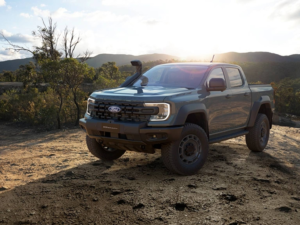
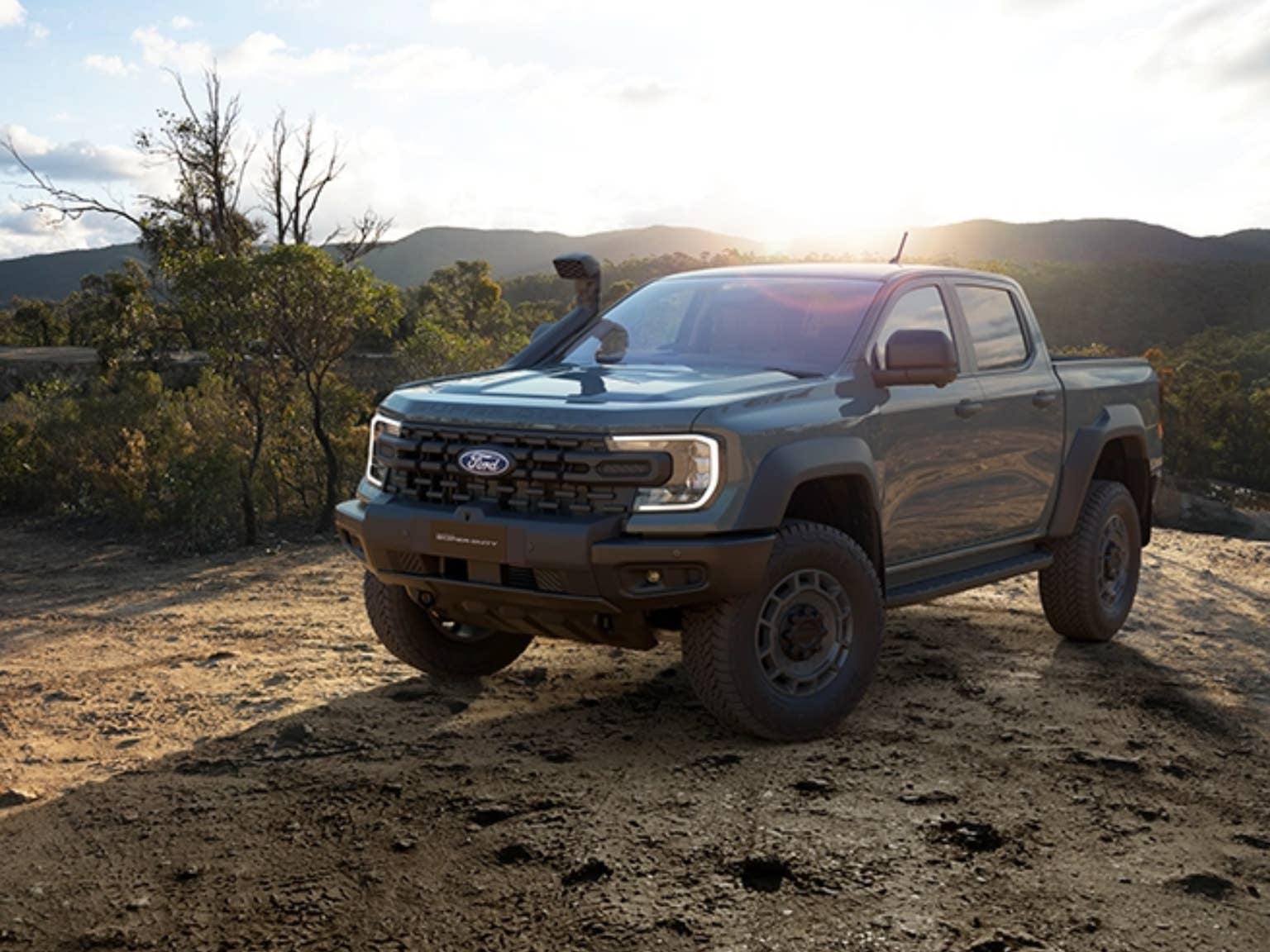
The proposed vehicle lineup includes the Ford Transit, standard Ranger, Super Duty F-Series and F-150. One of the most notable additions is the specialized Ford Ranger Super Duty.
The Ranger Super Duty offers a braked towing capacity of 9,900 pounds and a payload capacity of 4,360 pounds.
These vehicles will receive modifications before entering service. Rather than importing standard factory configurations, Space Factory will use engineering facilities in Thailand to develop fully equipped ambulances and extreme off-road rescue vehicles.
The modifications are intended to prepare the vehicles for humanitarian assistance and emergency response operations.
Why Ford Is Avoiding Japan’s Traditional Car Market
Ford’s strategy represents a different approach to establishing a presence in Japan. Rather than trying to compete directly for everyday consumers, the company is focusing on organizations that need capable commercial vehicles and specialized equipment.
Toyota’s top executives had previously offered support to American automakers seeking to establish themselves in the Japanese market. However, Ford’s latest approach avoids competing for space in consumers’ driveways and instead concentrates on institutional demand.
Through an international logistics network and local expertise, Ford can supply specialized trucks directly to Japanese government agencies and other institutional customers without building a traditional retail dealership operation.
The partnership marks a new commercial route for Ford in Japan, bringing models such as the F-150, Ranger and Super Duty back into the market through specialized institutional sales rather than conventional dealerships.