Electric vehicle adoption continues to expand worldwide, even as demand in the United States faces challenges following the expiration of the federal $7,500 tax credit. Electric vehicles now account for a record 31% of global passenger vehicle sales, meaning roughly one in every three new cars sold worldwide falls into the category.
The global figures highlight a growing contrast between the U.S. market and several international regions, particularly Europe, where electric vehicle sales increased 37% year over year. Other markets, including Brazil, Japan and India, also recorded substantial growth.
Global Electric Vehicle Sales Reach a Record 31%
The latest figures show that electric vehicles represented 31% of global passenger vehicle sales, marking a new record for the market. The category includes both plug-in hybrid electric vehicles (PHEVs) and battery-electric vehicles (BEVs).
Both types can operate without relying on gasoline, although plug-in hybrids generally offer significantly less electric-only driving range than fully battery-electric models.
The global growth contrasts with developments in the United States, where demand for conventional hybrids from manufacturers such as Hyundai has remained strong as the electric vehicle market adjusts to changing conditions.
Europe Leads Global EV Sales Growth
Europe was a major contributor to the increase in global electric vehicle sales, recording 37% year-over-year growth. The region’s performance stands out as several international markets continue to expand their adoption of electrified vehicles.
China also maintained a significant position in the global EV market, reaching a record 67% market share in September. However, Chinese EV sales declined 13% during the first nine months of 2026.
The market also recorded growing adoption of electric trucks. However, charging requirements and compromises involving payload capacity and driving range remain important obstacles, particularly for long-haul transportation operations.
Brazil, Japan and India Record Strong EV Sales Growth
Several markets outside Europe and China also posted significant year-over-year increases in electric vehicle sales.
- Brazil: EV sales increased 164%.
- Japan: EV sales increased 80%.
- India: EV sales increased 76%.
These figures highlight expanding global demand for electrified vehicles, even as individual markets experience different sales trends.
US Electric Vehicle Sales Post First Annual Increase of 2026
The U.S. electric vehicle market has faced pressure since the federal $7,500 tax credit expired on September 30, 2025. However, October delivered the market’s first year-over-year sales increase of 2026.
An estimated 83,262 battery-electric vehicles were sold in the United States during October, representing a 3% increase. October was also the first month in which sales were compared with a period after the federal tax credit had expired.
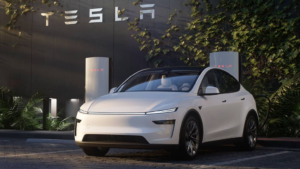
Tesla remained the leading electric vehicle seller in the country, followed by Rivian, Cadillac and Chevrolet.
Fuel Prices and Energy Security Support EV Demand
Higher fuel prices and energy security concerns are among the factors encouraging more consumers to consider electric vehicles.
Europe has also benefited from the arrival of relatively affordable electric models. One example is the Volkswagen ID. Polo, which starts at €24,995, equivalent to approximately $27,400 at current exchange rates, in Germany.
However, Europe’s sales momentum could face challenges in 2027 under a proposed European Union annual cap of 350,000 Chinese-made hybrid imports. Sales could increase ahead of the proposal’s potential implementation in December 2026.
Automakers Continue Investing in EVs and Hybrids
Despite less favorable conditions for electric vehicles in the United States, automakers continue developing new models. Ford, for example, is investing in its $28,350 Fathom electric truck.
At the same time, several manufacturers are increasing their focus on hybrid vehicles. General Motors is among them, following an earlier emphasis on fully electric models that left the Chevrolet Corvette as its only hybrid nameplate in the United States.
Global EV Adoption Continues Despite Market Differences
Electrified vehicle adoption continues to advance worldwide, although growth is progressing at a slower pace than it did at the beginning of the decade.
The changing market gives consumers more time to adjust while allowing automakers to adapt their vehicle offerings to demand across different regions. With global electric vehicle sales reaching a record 31% share, the industry continues to develop despite significant differences between individual markets.