
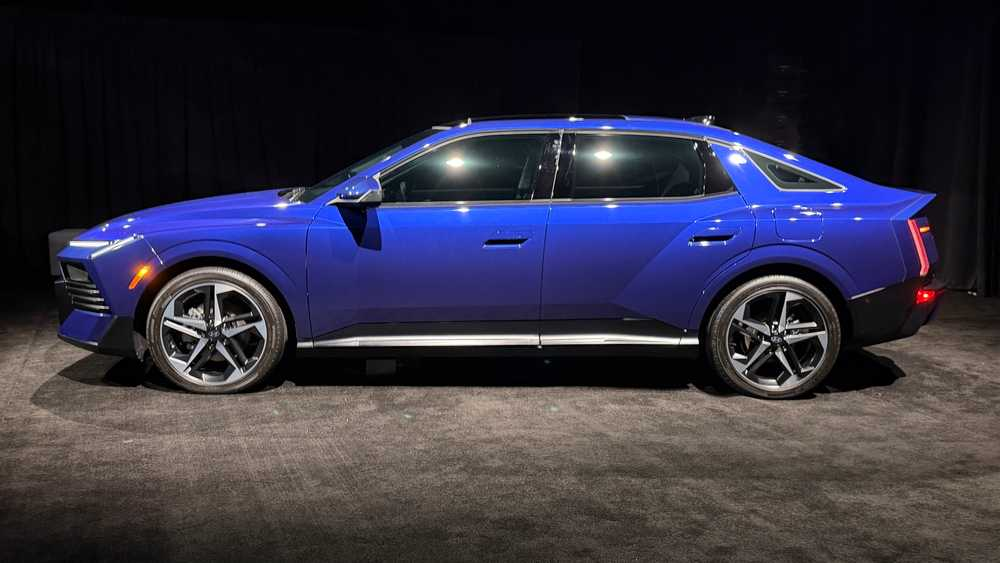
The Hyundai Elantra could have looked very different. Hyundai designers seriously considered giving the redesigned sedan a fastback profile and liftback cargo opening, but ultimately rejected the idea because of concerns involving interior space, weight, cost and engineering complexity. Instead, the team prioritized passenger comfort while retaining a more traditional trunk design.
Why Hyundai Rejected the Elantra Liftback Idea
Modern sedans have increasingly moved away from the traditional three-box design, with automakers adopting lower rooflines, longer profiles and shorter rear decks. These changes often create smaller trunk openings, raising questions about whether a liftback configuration would offer greater practicality.
During the Elantra’s development, designers explored alternative body shapes, including a more pronounced fastback profile with a hatch. The original design discussions date back to around March 2023.
However, vehicles with this type of configuration appeal to a more niche audience than conventional sedans. Hyundai also examined the possibility of incorporating a liftback into the Elantra, but the design presented a significant challenge.
How a Liftback Could Have Reduced Interior Space
One of the main considerations was preserving passenger room. A conventional sedan allows designers to maintain a flatter roof without accommodating the additional hinges and reinforced framing required around a large rear opening.
Hyundai placed particular emphasis on improving rear-seat comfort in the Elantra. The additional length and wheelbase have helped create more legroom than before, while headroom and shoulder room have also been improved.
Cargo accessibility was another important consideration. Although the Elantra’s trunk opening might appear relatively small at first glance, it is larger than its exterior appearance suggests.
Part of the design incorporates the fastback roofline into the area surrounding the trunk opening. Black trim also creates the visual impression that the rear window extends farther toward the back of the vehicle, helping deliver a more dramatic exterior appearance without sacrificing a usable trunk opening.
Why a Liftback Would Increase Cost and Weight
Interior packaging was not the only reason Hyundai abandoned the liftback concept. Several additional engineering challenges would have affected the vehicle’s overall weight and production cost.
Creating a larger opening in the vehicle’s chassis would require additional structural reinforcement elsewhere to maintain stiffness. That would mean more engineering work and additional materials.
The rear hatch would also require stronger hinges capable of supporting a large combination of metal and glass. In addition, opening up the cargo area to the passenger compartment could introduce potential noise problems.
Addressing those concerns would require additional sound insulation around the cargo area. The hatch itself would also create more potential points for vibration and sealing problems.
Together, these requirements would add weight and expense. Cost was particularly important because the Elantra is expected to start below $25,000.
Hyundai Also Considered a Station Wagon
The liftback was not the only alternative body style considered during the Elantra’s development. The design team also explored the possibility of creating a station wagon version.
Interestingly, a shorter hatchback configuration similar to the discontinued Elantra GT was not among the options considered.
The reason the station wagon design did not appear, at least so far, was not explained. The discussions nevertheless show that Hyundai evaluated several different approaches before settling on the Elantra’s sedan configuration.
Ultimately, the decision to retain a conventional trunk reflected a combination of priorities, including rear-seat space, structural requirements, noise insulation, vehicle weight and affordability.
“`