
Hyundai could be preparing a smaller electric work truck that gives businesses a more affordable alternative to traditional pickups. Spy photos of a redesigned Hyundai Porter have surfaced, with reports pointing to a possible next-generation model as early as 2027 and raising the prospect of an all-electric version.
Hyundai Porter Could Get a Major Redesign
The Hyundai Porter has been a fixture in South Korea’s commercial vehicle market for decades. The model recorded 92,411 domestic sales in 2022 alone, highlighting its established role in the country’s work-truck segment.
Images of the vehicle’s potential successor show a substantial design change. The new model appears to feature a short hood, replacing the current cab-over layout.
Hyundai may also be considering a wider international rollout. The spy photographs suggest an electric variant could be part of the plans, although the company has not officially confirmed the next-generation truck’s powertrain options or availability outside South Korea.
If an all-electric Porter successor reaches production, it could appeal to delivery companies, contractors and urban fleets seeking to reduce operating costs.
How the Porter Fits Hyundai’s Pickup Plans
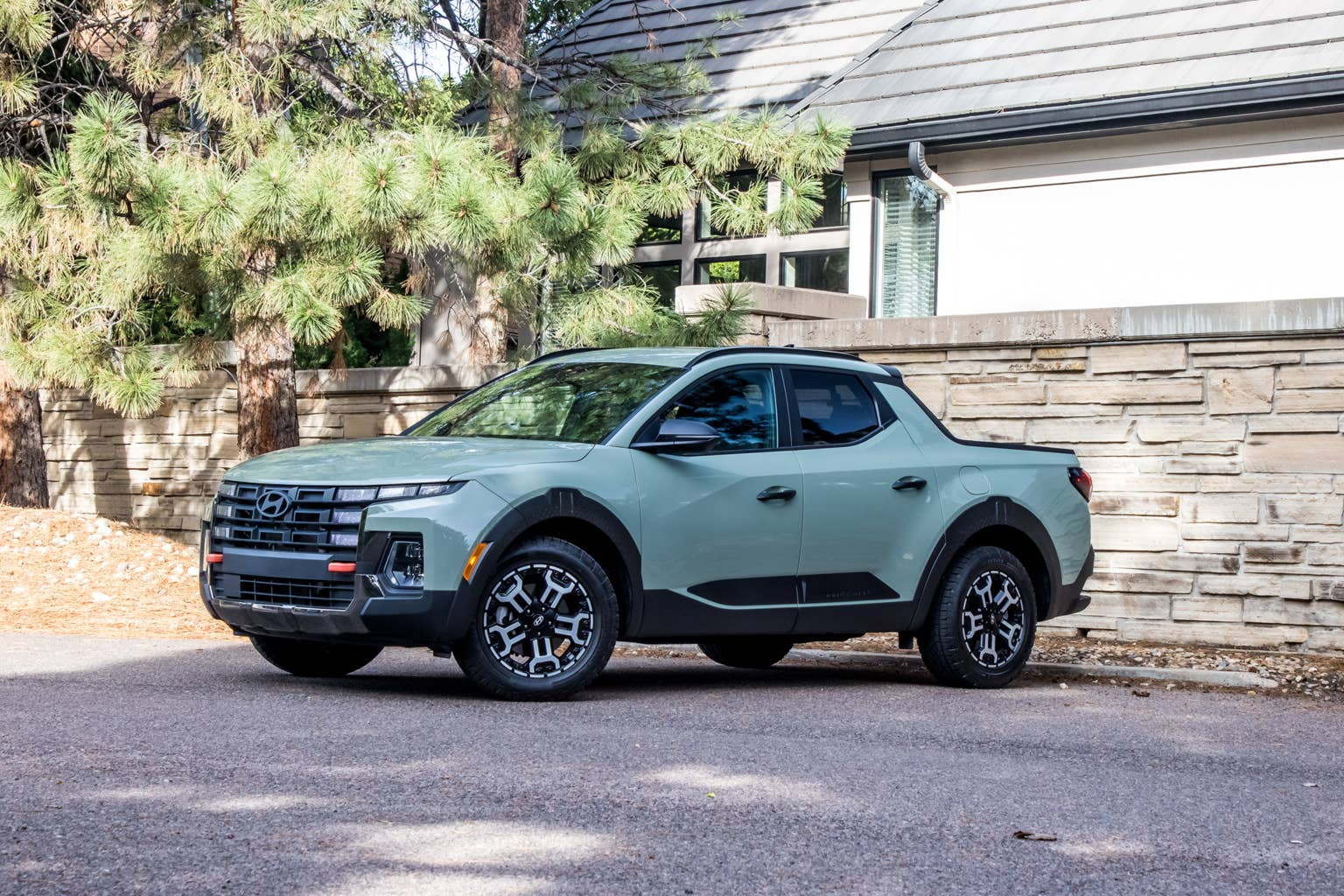
The smaller work truck would serve a different role from Hyundai’s other pickup projects. The Santa Cruz is approaching the end of its life cycle, while Hyundai is developing a midsize, body-on-frame pickup for the U.S. market before 2030.
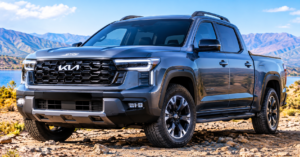
That upcoming truck is intended to compete with the Toyota Tacoma and Ford Ranger. Hyundai’s wider automotive group also offers the Kia Tasman.
Unlike those models, the Porter successor would focus on practical commercial use, giving businesses a compact work vehicle without the size or expense of a midsize pickup.
Could a Small Electric Work Truck Find Buyers?
The Telo MT1 demonstrates that there is interest in smaller electric trucks, provided they can offer capabilities comparable to gasoline-powered rivals.
Hyundai could potentially reach a broader audience by focusing on affordability and utility rather than lifestyle appeal. Its manufacturing scale and reliability could also help the company develop an attractive option for commercial customers.
However, the U.S. market presents a different challenge. American truck buyers often expect their vehicles to serve multiple purposes, which could make a tiny cab-and-chassis work truck less appealing outside commercial fleets.
Pricing, Range and Capability Will Be Key
For the Porter successor to establish a place in the U.S. market, it would need competitive pricing, useful driving range if offered as an EV, adequate payload and hauling capability, and durability.
The truck may not become one of America’s best-selling pickups, but delivery operators, fleet managers and business owners could provide a market for a smaller, practical work vehicle.
Hyundai has not confirmed whether the redesigned Porter will receive an electric powertrain or reach international markets.