
Nissan is considering a return to its sporty-car roots, with the Silvia coupe and Datsun 510 among the nameplates that could make a comeback as part of the automaker’s broader recovery. Company executives have discussed plans for both models, including the possibility of a new shared platform designed to support electrification and applications beyond the U.S. market.
Nissan Considers Bringing Back Two Iconic Models
Nissan’s recovery appears to be progressing ahead of schedule, supported by several upcoming vehicles. The automaker is preparing an all-new Rogue, a next-generation Skyline that could carry the Infiniti G name in the United States, a revived Xterra and a Pathfinder returning to its truck-based roots.
Although its performance in China continues to weigh on the company’s bottom line, Nissan has seen encouraging sales growth in key markets, particularly North America and Japan.
That improving momentum has also helped renew interest in sporty models. Nissan CEO Ivan Espinosa has expressed interest in bringing back the Silvia coupe, which was sold in the United States as the 240SX.
Ponz Pandikuthira, Nissan North America’s chief planning officer, described the Silvia’s potential return as a “work in progress.”
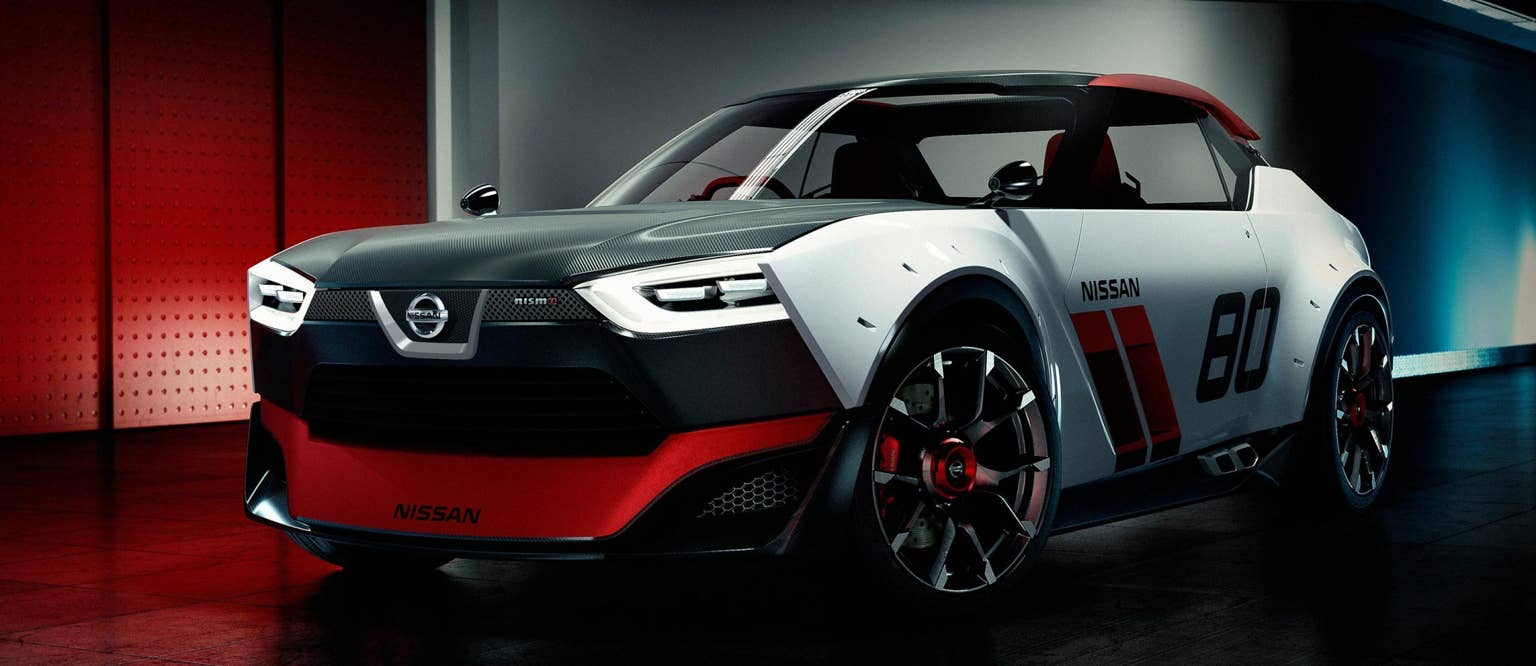
The company may also be exploring a revival of the Datsun 510, known as the Nissan Bluebird 510 in some markets. The model was referenced alongside the ID.X concept unveiled in 2013, which paid tribute to the sport sedan and coupe.
Pandikuthira indicated that efforts are underway to make an ID.X-inspired vehicle a reality, saying, “There’s people trying to make that car happen.”
Neither model has been confirmed for production, but the discussions point to Nissan exploring two additional sporty vehicles as it works to strengthen its lineup.
A New Platform Could Support Nissan’s Future Sports Cars
A shared platform could be central to bringing back both the Silvia and Datsun 510. Pandikuthira said the architecture would need to be new and capable of accommodating a hybrid powertrain, while also supporting markets beyond the United States.
“It would need to be a new platform because it has to accept a hybrid powertrain. Okay. It needs to have legs beyond just the US market,” the executive said.
That does not necessarily mean the revived models would be offered exclusively with hybrid powertrains. Instead, the platform would need a modular design capable of supporting different applications.
The proposed architecture could provide the foundation for compact, rear-wheel-drive Nissan and Infiniti models. Pandikuthira also discussed an ID.X-style sedan that could use Nissan’s e-Power series-hybrid system.
For the Silvia, he envisioned powerful front-wheel-drive and all-wheel-drive versions, potentially with e-Power technology. Nissan also hopes to offer a manual transmission, keeping open the possibility of a version powered purely by an internal combustion engine.
The same platform could potentially support the next-generation Z, although no such application has been confirmed.
When Could the New Nissan Sports Cars Arrive?
Timing remains a major question. Nissan currently has only one rear-wheel-drive platform in its lineup, used by the Z. That architecture is a heavily updated version of the 370Z chassis, which dates back to 2008.
Developing a new platform capable of supporting electrification will take time. Nissan is also working to accelerate vehicle development cycles with the help of artificial intelligence.
The upcoming Skyline, which could be sold as the Infiniti G in the United States, may offer an indication of how quickly the company can introduce an entirely new vehicle.
Pandikuthira said that if the plans move forward, the new cars could arrive sometime in the 2030s.
Nissan Prioritizes the Silvia Over a Maxima Revival
The potential sports cars would occupy niche segments, leaving questions about Nissan’s plans for larger-volume models. Asked about the possibility of bringing back the Maxima, Pandikuthira made his preference clear.
“Well, you know what I’d like to bring back before a Maxima is a Silvia,” he said.
His comments suggest that Nissan’s potential sporty models currently have a higher priority than reviving its larger sedan. The midsize sedan market is dominated by Honda and Toyota, while larger sedans from mainstream brands have become difficult to sell.
The final Maxima generation had also moved toward a softer driving character and a CVT transmission. Nevertheless, Nissan is placing considerable emphasis on nostalgia as part of its plans, with a stated interest in reviving cars that appeal to both buyers in their 20s and those aged 45 and older.
For now, the Silvia and Datsun 510 remain under consideration rather than confirmed production models. Nissan’s discussions point to a possible new platform and a broader effort to bring more nostalgic, sporty vehicles back to its lineup during the 2030s.