

The Acura Integra Type S is heading to Japan for the first time, marking the first official sale of an Acura-branded vehicle in the automaker’s home market. The U.S.-built hot hatch will arrive without modifications, retaining its left-hand-drive configuration and U.S. specifications.
The move will allow Japanese buyers to purchase a vehicle that has attracted interest at major automotive events, while also supporting efforts to expand sales of American-made vehicles in Japan amid ongoing tariff discussions.
Acura Integra Type S to Be Imported Without Changes
The Integra Type S selected for the Japanese market is built in the United States. Its K20C engine is manufactured at the Anna Engine Plant, while the remainder of the vehicle is assembled at the Marysville Auto Plant in Ohio.
The Japanese-market version will retain the same specifications as its U.S. counterpart, including its left-hand-drive layout.
The decision is not expected to create production bottlenecks at Honda’s Ohio facilities because the Japanese-market model will be imported without modifications.
The Integra Type S has already generated interest among Japanese enthusiasts. Attendees at the Tokyo Auto Salon and Osaka Auto Messe showed keen interest in the possibility of the performance hatchback reaching local dealerships.
Honda’s U.S.-Made Vehicles Expand Into Japan
Honda confirmed in March that the Integra Type S would be sold in Japan, followed by the Honda Passport TrailSport. The Passport is also manufactured in the United States, at Honda’s plant in Lincoln, Alabama.
The expansion comes as Japan imports relatively few vehicles from the United States compared with the number of Japanese-made vehicles sent in the opposite direction.
In 2025, 18,624 cars were imported from the United States to Japan, while approximately 1.35 million vehicles made the opposite trip.
President Trump has argued that this trade imbalance is unhealthy for the U.S. economy. Bringing American-made Japanese vehicles into Japan serves multiple purposes, including expanding their presence among Japanese enthusiasts and helping automakers reduce the impact of various tariffs.
The strategy also gives Japanese buyers access to vehicles that are not commonly seen on the country’s narrow roads, particularly models designed for the U.S. market.
Japan’s Certification Changes Open the Door to U.S. Cars
The prospect of selling American-built vehicles from Japanese brands in Japan once appeared unlikely. However, tariff discussions and changes to Japan’s certification rules for 2026 now allow American-made cars to be sold without additional, costly local testing.
Honda is not the only Japanese automaker taking advantage of the changes. Subaru plans to introduce its Ascent three-row SUV in Japan, also retaining its unmodified U.S. specifications.
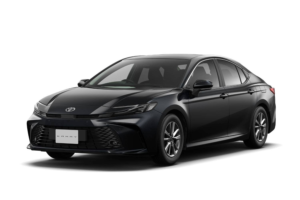
Toyota is expanding its U.S.-built lineup in Japan with the Indiana-built Highlander and the Kentucky-made Camry. Nissan will also import its Murano SUV from Tennessee.
Ford F-150 Also Set for Japanese Market
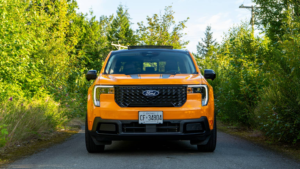
American automakers are also finding opportunities in Japan. Following negotiations with Japanese Prime Minister Sanae Takaichi last year, Trump announced that Ford F-150 pickups would be sold in the country.
That announcement now appears to be moving forward, with the trucks set to be imported for use by national ministries, local governments, defense forces and humanitarian and nongovernmental organizations.
The growing number of U.S.-made vehicles entering Japan could create logistical challenges when recalls are announced. Toyota’s American-made Tundra recently faced such a situation.
Despite those challenges, the expansion of American-built vehicles into Japan appears to offer benefits for automakers, giving their brands a greater cultural presence in the country while also helping address U.S. concerns about the trade imbalance.
The arrival of the Acura Integra Type S marks the beginning of a new chapter for Acura in Japan, as Honda and other automakers introduce more U.S.-built vehicles to the Japanese market.