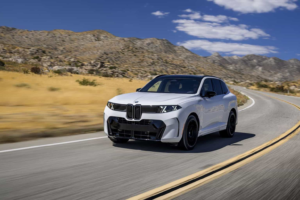

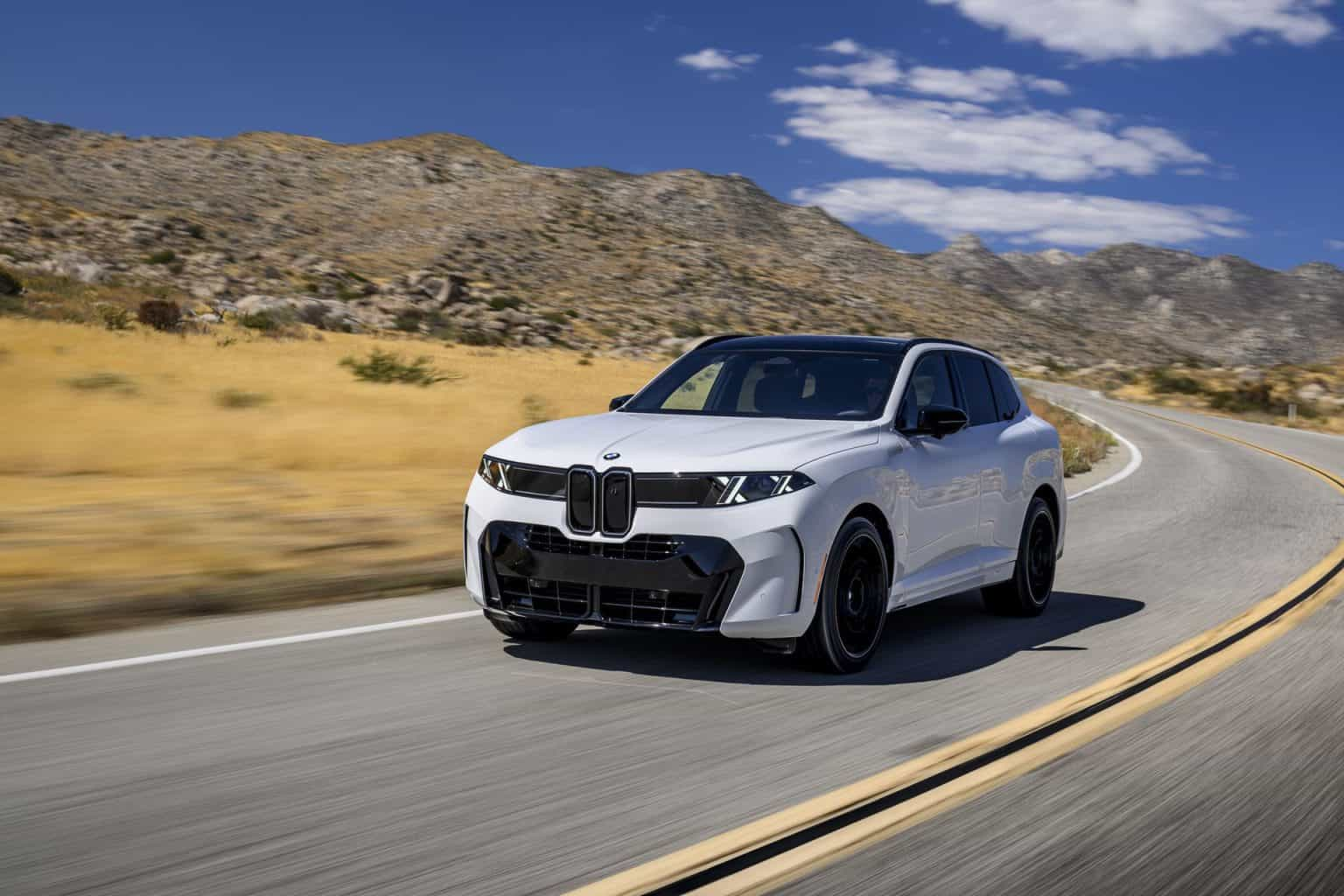
BMW has launched the fifth-generation X5 in Japan with a single powertrain option, the X5 40d xDrive M Sport, a diesel mild-hybrid model priced at ¥13,110,000, or approximately $82,162. The new SUV went on sale November 27, with deliveries scheduled to begin the same day, marking the latest addition to BMW’s lineup in Japan.
Although BMW designed the new X5 to accommodate five different powertrain options, Japanese buyers initially have just one model to choose from. The diesel-powered SUV combines a six-cylinder engine with 48-volt mild-hybrid assistance, all-wheel drive and an eight-speed automatic transmission.
BMW X5 40d xDrive M Sport: Japan Pricing and Features
BMW Japan lists the right-hand-drive X5 40d xDrive M Sport at ¥13,110,000, including consumption tax. The price includes M Sport trim, all-wheel drive and an eight-speed automatic transmission, along with many of the model’s most desirable options.
With much of the equipment already included, buyers in Japan have relatively few additional choices to make when configuring the SUV, with paint colors among the remaining decisions.
The Japanese model’s price translates to approximately $82,162 in U.S. dollars. In the United Kingdom, the same vehicle costs around £85,885, including £13,770 in value-added tax.
Diesel Hybrid Delivers 670 Nm of Torque
The X5 40d xDrive M Sport is powered by a 3.0-liter diesel inline-six engine paired with a 48-volt mild-hybrid system. Together, the two systems produce 230 kW, equivalent to 308 horsepower in U.S. terms or 313 metric horsepower.
The diesel engine alone generates 650 Nm of torque, equivalent to 479 pound-feet. With electric assistance, combined torque increases to 670 Nm, or approximately 494 pound-feet.
Although diesel engines and hybrid powertrains are not typically associated with sporting performance, torque remains a key strength. The diesel-hybrid X5 therefore produces more torque than its gasoline counterpart, despite delivering less horsepower.
The mild-hybrid system provides electric assistance to the diesel engine. It is not a plug-in hybrid electric vehicle (PHEV), and the diesel remains the primary power source in the X5 40d.
How Japan’s Diesel X5 Compares With the U.S. Model
The gasoline-powered BMW X5 40 xDrive sold in the United States produces 394 horsepower and 428 pound-feet of torque.
Compared with the U.S. gasoline model, Japan’s diesel-hybrid X5 delivers 86 fewer horsepower but produces 66 additional pound-feet of torque.
The diesel engine in the Japanese X5 is identical to the unit offered in other markets, including Europe. The main difference is the powertrain selection available to Japanese customers, where BMW has chosen to introduce the new generation exclusively with the diesel mild-hybrid configuration.
BMW’s Global X5 Plans Include Five Powertrain Options
BMW’s worldwide plans for the Spartanburg-built X5 include gasoline, diesel, plug-in hybrid and battery-electric powertrains, with hydrogen power also planned for the future.
The all-electric BMW iX5 is eventually expected to reach Japan, although its arrival is likely to be delayed until later in 2027.
For Japanese X5 customers, the launch of the new G65 generation brings the model back to the market following the previous Final Edition, which arrived nearly six months earlier.
New X5 Follows Japan’s Final Edition Model
The previous X5 Final Edition was also powered by a diesel engine and came with an extensive list of standard equipment. It was priced from ¥12,980,000 and included three rows of seats.
The new X5 40d xDrive M Sport costs ¥130,000 more than the Final Edition’s starting price, while offering the latest generation of the SUV and a diesel mild-hybrid powertrain.
BMW’s decision to launch the Japanese G65 X5 exclusively as a diesel hybrid follows the previous model’s diesel configuration, although the company has not provided a separate explanation for the choice.
For now, the X5 40d xDrive M Sport is the only version of BMW’s new-generation SUV available to Japanese buyers, with the all-electric iX5 expected to expand the lineup later.