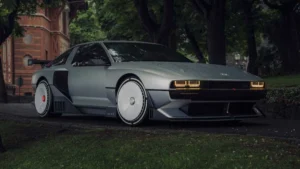

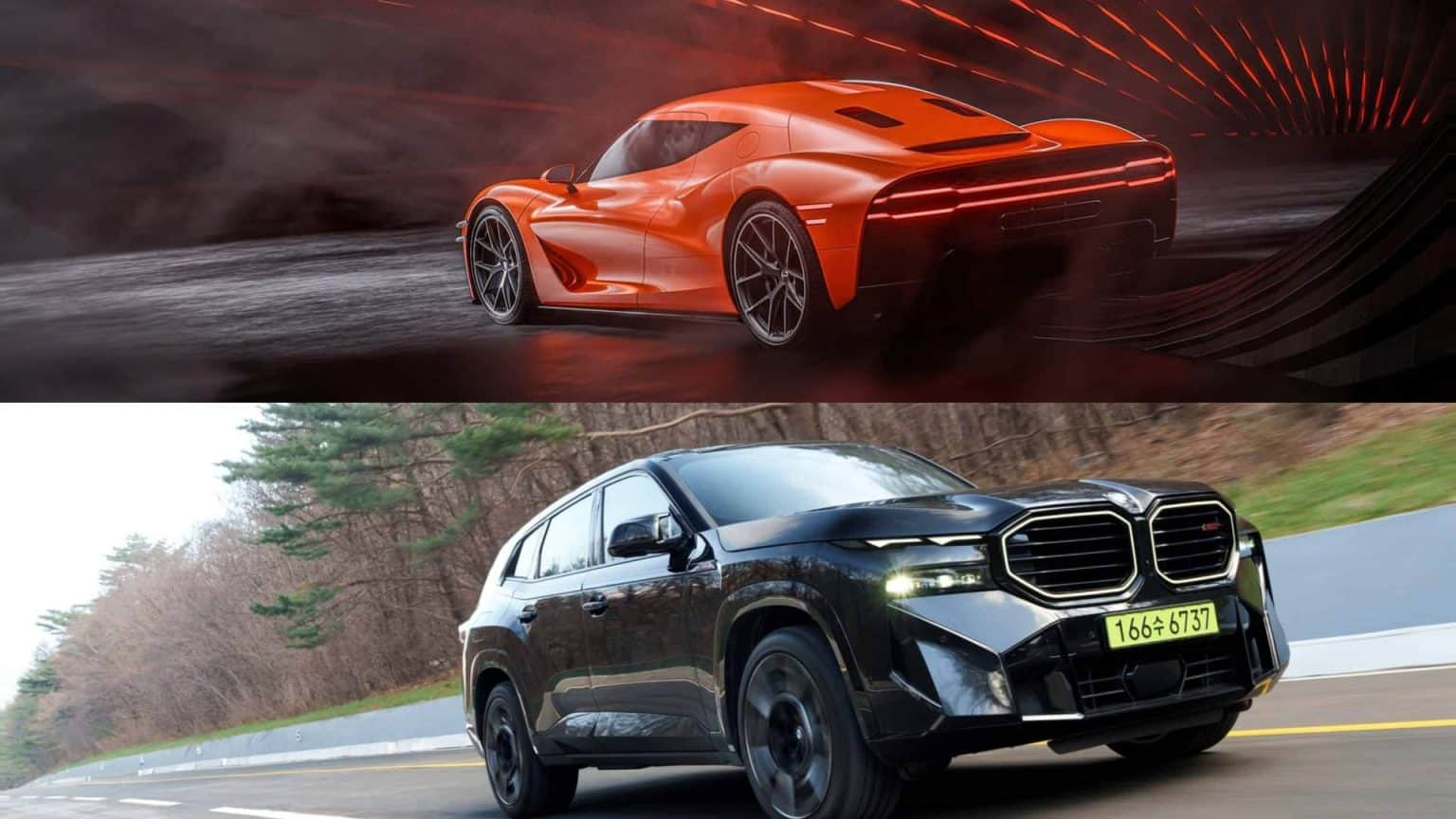
Genesis’ Magma performance sub-brand is challenging the approach taken by BMW M on electrified performance, with a focus on hybrid powertrains that preserve engine sound and driver engagement. Ash Corson, Genesis’ director of product planning, has questioned the appeal of plug-in hybrids that prioritize straight-line performance at the expense of agility, while warning against the dilution of performance brands.
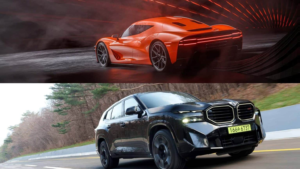
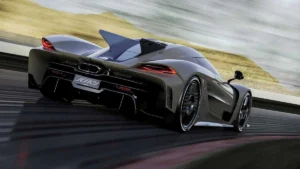
Magma debuted in 2024, but its only production model so far is the GV60 Magma, which is available in just three U.S. states. The brand has also revealed several concepts, including a supercar, and competed in the 24 Hours of Le Mans and the World Endurance Championship (WEC).
Genesis Magma Questions BMW M’s Plug-In Hybrid Strategy
Some of BMW M’s most prominent performance vehicles now use plug-in hybrid powertrains. Magma, however, appears to favor a different approach, with Corson drawing a distinction between plug-in hybrids and performance-focused conventional hybrids.
“Performance HEV is really where it is in terms of still having that really strong, powerful ICE component that sounds great, that makes you feel good, but has battery assist where it helps,” Corson said in an interview with The Drive.
His comments emphasize the importance of what drivers hear and feel when the engine is working. Corson wants electric assistance to improve performance where it is needed, rather than relying on a plug-in system that could compromise agility in pursuit of stronger straight-line numbers.
BMW has also used electrification to support its performance engines. The G20-generation M340i, for example, paired its B58 inline-six with a 48-volt system that provided additional assistance.
However, Corson’s remarks suggest that Magma wants to retain the character of a powerful internal combustion engine while using electrification to complement, rather than replace, its contribution to the driving experience.
Genesis Warns Against Diluting Performance Brands
Corson also questioned the way some European automakers have expanded their performance branding, arguing that offering too many models with performance-related badges can weaken a brand’s identity.
“There’s been an over-indexing—a dilution of the brand, if you will,” he told The Drive. “We want to make sure we avoid that.”
Although Corson did not identify BMW specifically, the automaker’s 3 Series lineup provides an example of the distinctions between its performance offerings.
During the G20 generation, buyers could choose a 330i with the M Sport package, which added a sport suspension while retaining the four-cylinder engine. The M340i moved up to the six-cylinder B58, while the M3 featured its own twin-turbo S58 engine and substantially wider bodywork.
Mercedes-Benz and Audi have also developed performance-related trim levels and models, including AMG packages, AMG-lite variants and Audi’s S-Line and S offerings.
Whether Corson views plug-in hybrid models such as the BMW M5 Touring or XM as examples of the brand dilution he described remains unclear.
Magma’s Current Lineup Remains Limited
Despite its ambitions, Magma’s production lineup remains small. The brand began in 2024, ostensibly as a motorsports arm, and has since competed in the 24 Hours of Le Mans and WEC.
Several concept vehicles have also been teased, including a supercar. However, the GV60 Magma remains the only road-going Magma model currently available.
The electric crossover shares many components with the Hyundai Ioniq 5 N, including its powertrain, despite carrying Genesis’ performance branding.
The limited production lineup makes Magma’s comments about performance positioning particularly notable, as the brand continues to establish its identity in the luxury performance market.
Genesis Hybrids Could Help Fund Future Performance Cars
Corson also discussed how stronger sales of Genesis’ mainstream hybrid SUVs could help the company pursue more specialized vehicles, including the G90 Wingback concept.
The wagon concept is based on the brand’s flagship sedan and represents one of several designs Genesis has explored. Corson pointed to the G70 Wingback in Korea as an example of the company’s willingness to pursue less conventional vehicles.
“We have the G70 Wingback in Korea,” Corson said. “We’ve taken those kinds of chances. For me, as we grow as a portfolio—the meat and potatoes—the new hybrids in our core SUVs, high volume, that’s gonna really enable a lot of these opportunities.”
His comments suggest that expanding sales of mainstream hybrid SUVs could create opportunities for more specialized models within the Genesis lineup.
A production version of the G90 Wingback would compete in a segment that includes the BMW M5 Touring. Its powertrain and weight have not been specified, leaving questions about how it would compare with BMW’s plug-in hybrid performance wagon.
For now, Magma’s ambitions extend beyond its single production model, but the brand has yet to establish a broader road-going lineup. Its approach to hybrid performance and its efforts to expand Genesis’ portfolio will determine how it develops its position against BMW M and other luxury performance brands.