
The idea of buying a brand-new electric vehicle for under $30,000 once felt unrealistic. But as 2026 unfolds, that price point is no longer a fantasy—it’s becoming a competitive segment. Automakers are racing to deliver budget-friendly EVs with real-world range, practical features, and lower ownership costs than traditional gas-powered cars.
For budget-conscious drivers, the Cheapest Electric Cars 2026 lineup offers something compelling: modern electric mobility without the premium price tag. Even as federal tax credits have phased out, several automakers are pushing prices down while improving range and charging speeds.
Why Affordable EVs Are Gaining Momentum in 2026
Despite a slight slowdown in EV sales last year, demand for entry-level electric vehicles remains strong. The average new car price in the U.S. still hovers near $50,000, making sub-$30K EVs significantly more accessible for first-time buyers and commuters.
Several key factors are driving this shift:
- Lower battery costs enabling cheaper production
- Urban-focused designs with practical 200–300 mile range
- Increased competition among automakers
- State-level incentives replacing federal tax credits
For many drivers, especially those with predictable daily commutes, these vehicles deliver everything they need—without overpaying for unnecessary performance or luxury features.
Top Cheapest Electric Cars 2026 (Under $30K)
1. Nissan Leaf S+
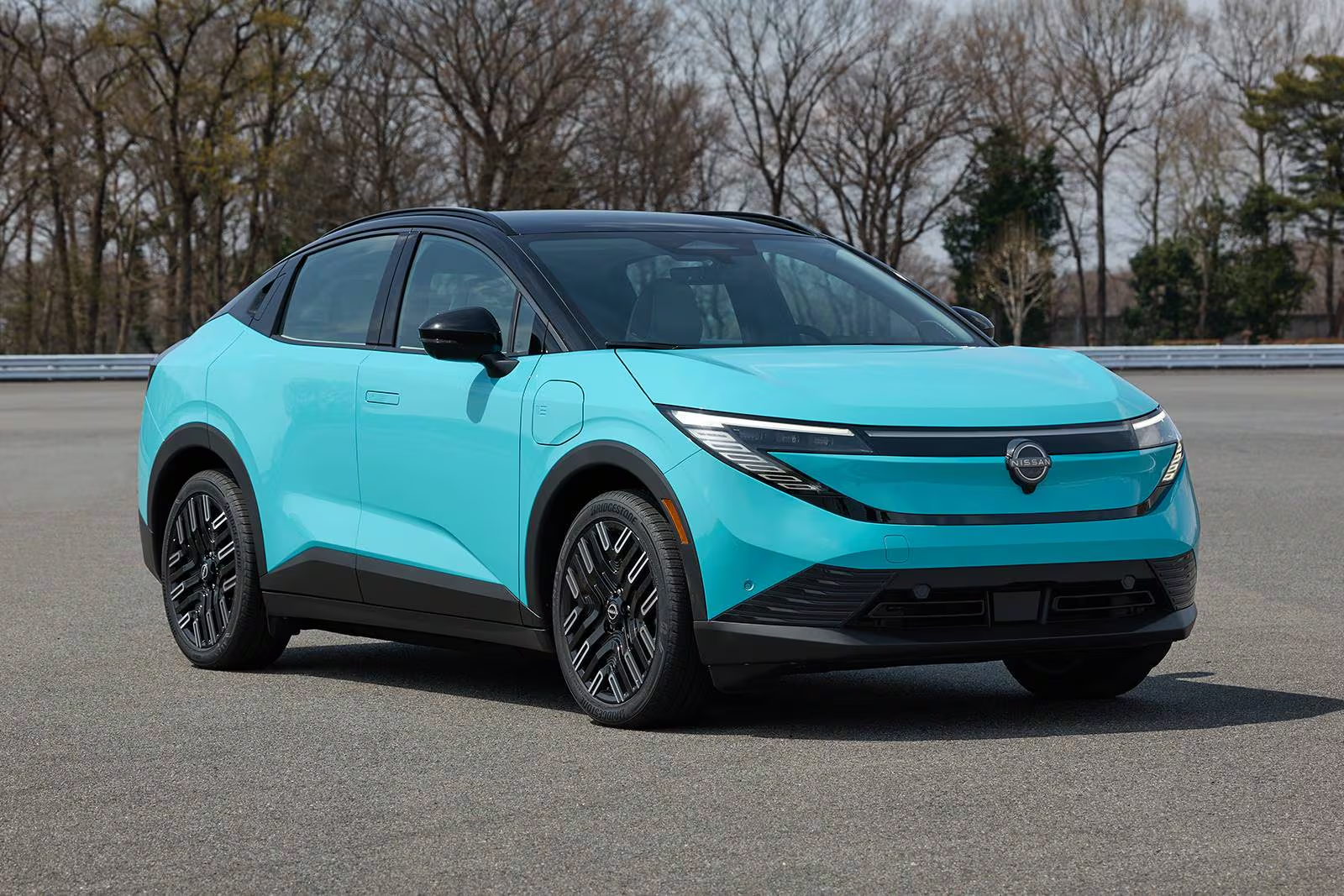
The redesigned Nissan Leaf returns with a stronger value proposition and updated styling that leans closer to a compact crossover.
- Starting Price: $29,990
- Estimated Range: Up to 303 miles
- Launch Timing: Spring–Summer
The Leaf stands out as one of the most practical choices in this price range. It offers a smooth, quiet ride and a refined interior that feels more premium than expected. Its extended range makes it ideal not just for city driving, but also for occasional longer trips.
Best For: Daily commuters who want maximum range on a budget.
2. Chevrolet Bolt (Next Generation)
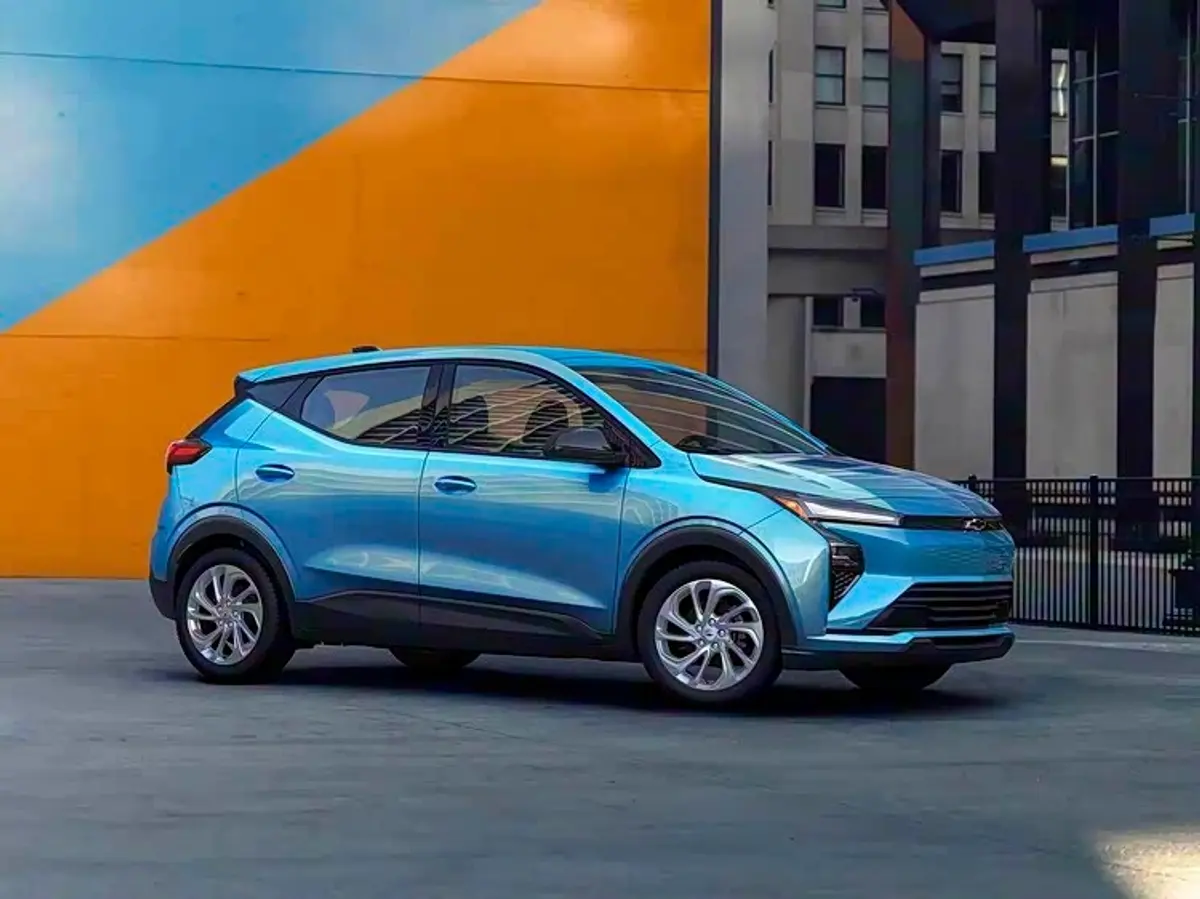
The next-generation Chevy Bolt is making a strong comeback, with improvements that address previous limitations—especially in charging speed.
- Estimated Price: $28,995–$29,990
- Estimated Range: Around 255 miles
- Availability: Early deliveries expected soon
One of the biggest upgrades is fast charging capability, jumping to around 150 kW. That means a 10–80% charge in roughly 30 minutes—putting it closer to more expensive EVs in usability.
Another major advantage is expected compatibility with Tesla’s Supercharger network, significantly improving charging accessibility across the U.S.
Best For: Drivers who prioritize charging speed and infrastructure access.
3. Honda 0 Series (Entry Model)
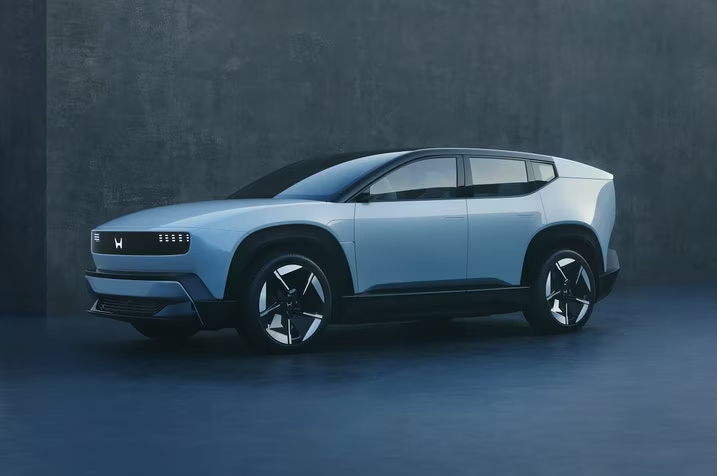
Honda’s new EV lineup aims to compete aggressively in the affordable segment, targeting a sub-$30K price point.
- Target Price: Under $30,000
- Estimated Range: 200–250 miles
- Launch Window: Rolling out through the year
While full specs are still emerging, Honda is focusing on simplicity, efficiency, and reliability—qualities that appeal strongly to first-time EV buyers.
Best For: Buyers looking for a reliable, no-frills electric vehicle.
Real-World Comparison: Which One Should You Choose?
Choosing between the cheapest electric cars in 2026 depends largely on your priorities. Here’s a quick breakdown:
- Longest Range: Nissan Leaf (300+ miles)
- Fastest Charging: Chevy Bolt (150 kW upgrade)
- Most Affordable Entry: Honda 0 Series (expected)
For example, if you commute 40–50 miles daily and charge at home, even the lower-range options will easily cover your needs. But if you frequently take longer trips, the Leaf’s extended range becomes a major advantage.
Pros and Cons of Budget EVs
Advantages
- Lower cost per mile compared to gasoline vehicles
- Reduced maintenance (fewer moving parts)
- Quiet and smooth driving experience
- Ideal for city and suburban commuting
Disadvantages
- No all-wheel drive in most models
- Slower acceleration compared to premium EVs
- Basic interiors in entry-level trims
- Charging infrastructure still varies by region
Ownership Costs: Are They Really Cheaper?
One of the biggest advantages of affordable EVs is long-term savings. Electricity costs significantly less than gasoline on a per-mile basis, and maintenance expenses are typically lower due to fewer mechanical components.
In many cases, drivers can save up to 50–65% on running costs compared to traditional vehicles. Over several years, that can offset the upfront purchase price—even without federal incentives.
What to Expect Next in the Affordable EV Market
Automakers are doubling down on affordability as competition increases. Expect more sub-$30K electric cars to enter the market, along with:
- Improved battery efficiency
- Faster charging technology
- Better integration with public charging networks
- Price adjustments driven by competition
This segment is quickly becoming one of the most important battlegrounds in the EV industry.
FAQ: Cheapest Electric Cars 2026
Are the cheapest electric cars in 2026 worth buying?
Yes. Most models now offer over 200 miles of range, making them practical for daily use. They also come with warranties and reliability comparable to more expensive EVs.
What is the cheapest electric car available in 2026?
The Chevy Bolt and Nissan Leaf are among the most affordable options, both priced just under or around $30,000.
Which affordable EV has the longest range?
The Nissan Leaf leads this segment with an estimated range of over 300 miles.
Do cheap EVs charge slowly?
Not necessarily. Newer models like the Bolt support fast charging, reaching 10–80% in around 30–40 minutes.
Are there any incentives still available?
While federal tax credits have ended, some states and utility providers still offer rebates and incentives that can reduce the overall cost.