
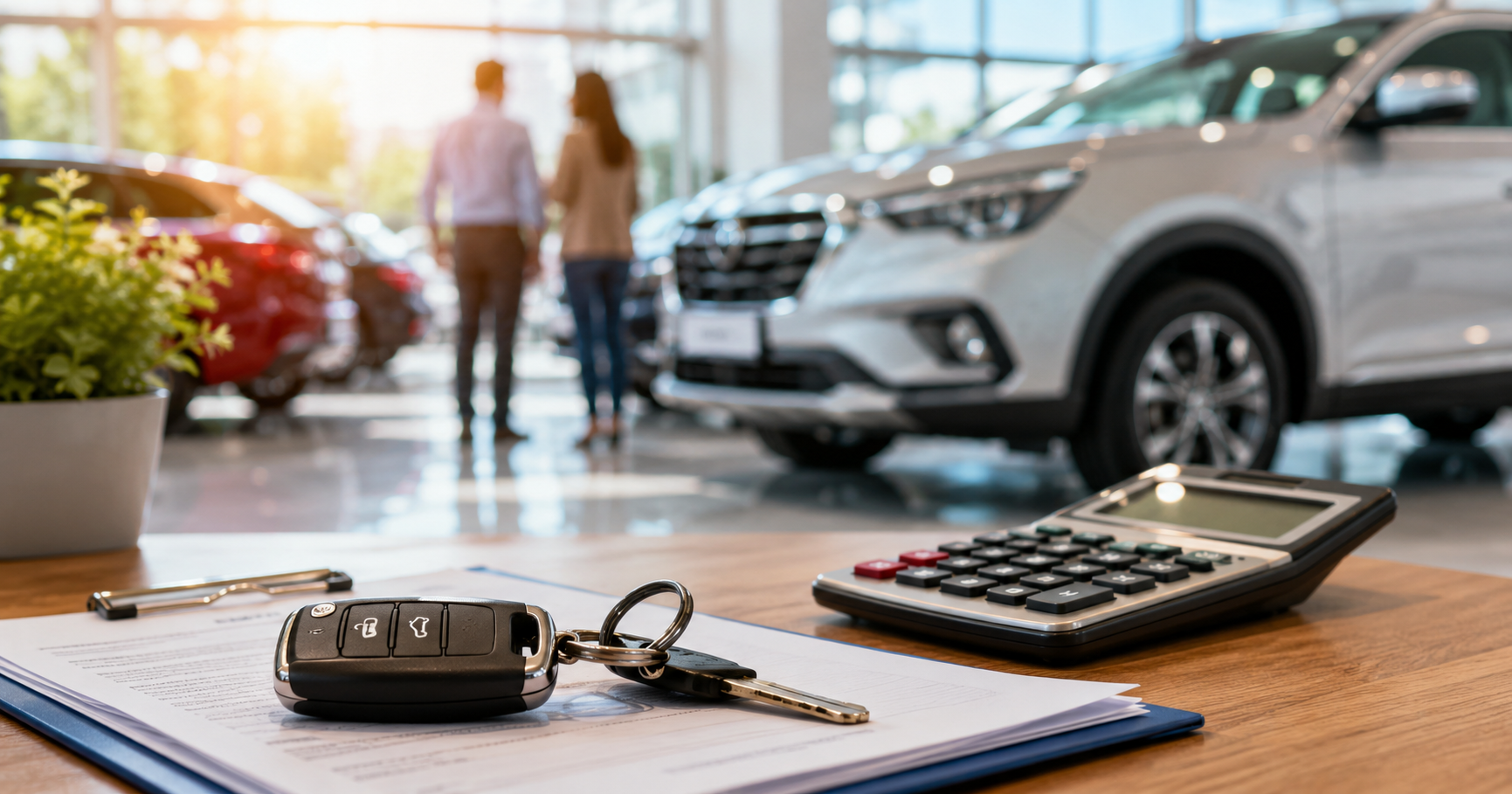
Buying a vehicle has never been as complex as it is today. Rising vehicle prices, higher financing costs, changing manufacturer incentives, and a competitive used-car market mean that simply walking into a dealership and negotiating the sticker price is no longer enough.
If you’re searching for the Best Way to Buy a Car 2026, your goal shouldn’t be finding the cheapest advertised price—it should be reducing the total amount you’ll spend over the life of the purchase.
That’s exactly where smart buyers separate themselves from everyone else.
Whether you’re shopping for a brand-new SUV, a reliable sedan, or a certified pre-owned crossover, today’s best strategy combines preparation, financing knowledge, price comparison, and disciplined negotiation.
Industry research throughout 2026 shows affordability remains the biggest challenge for American consumers. Meanwhile, interest rates continue to make financing one of the most expensive parts of purchasing a vehicle.
This guide explains the nine proven strategies experts recommend to save thousands of dollars before signing your next purchase agreement.
Why Buying a Car Is Different in 2026
The U.S. automotive market continues to evolve.
While vehicle inventory has improved compared with previous years, affordability remains one of the biggest concerns facing buyers. Industry surveys show that more Americans plan to purchase a vehicle this year, yet many remain hesitant because of high prices and economic uncertainty.
At the same time:
- New vehicle prices remain near record highs.
- Auto loan interest rates are still significantly higher than historical averages.
- Manufacturers are increasing incentives on selected models.
- Trade-in values remain competitive for many vehicles.
This creates an opportunity for informed buyers—but only if they understand how dealerships structure deals.
The biggest mistake shoppers make is focusing only on the monthly payment instead of the overall purchase cost.
The smartest buyers evaluate:
- Vehicle price
- Taxes
- Dealer fees
- Registration costs
- APR
- Loan length
- Trade-in value
- Manufacturer incentives
That’s the true formula behind the Best Way to Buy a Car 2026.
The True Cost of Buying a Car
A $38,000 vehicle doesn’t necessarily cost $38,000.
By the time taxes, documentation fees, title fees, registration, dealer add-ons, financing charges, and optional products are included, buyers can spend thousands more than expected.
Experts recommend focusing on the Out-the-Door (OTD) Price, which represents the complete amount you’ll actually pay.
Negotiating only the sticker price often leaves room for dealers to recover profit through hidden fees or expensive financing.
Always calculate the entire purchase—not just the advertised number.
Best Way to Buy a Car 2026: 9 Proven Money-Saving Tips
1. Set a Total Budget—Not Just a Monthly Payment
One of the oldest dealership tactics is asking:
“What monthly payment are you looking for?”
That question shifts attention away from the actual purchase price.
Instead, establish:
- Maximum purchase price
- Maximum loan amount
- Affordable monthly payment
- Insurance costs
- Fuel expenses
- Maintenance budget
Buying based solely on payment can result in longer loan terms that dramatically increase total interest paid.
2. Compare New, Used, and Certified Pre-Owned Vehicles
Many buyers automatically assume buying new is the best value.
Often, it isn’t.
Certified Pre-Owned (CPO) vehicles typically offer:
- Factory-backed warranties
- Multi-point inspections
- Roadside assistance
- Lower purchase prices
- Reduced depreciation
Example:
A two-year-old SUV with 18,000 miles may cost $8,000 less than a new version while delivering nearly identical features.
Compare:
- Purchase price
- Warranty coverage
- Insurance premiums
- Expected depreciation
- Financing incentives
3. Get Preapproved Before Visiting the Dealership
This is one of the easiest ways to save money.
Preapproval gives you:
- Negotiating leverage
- A benchmark APR
- A fixed spending limit
- Protection against overpriced financing
Request quotes from:
- Banks
- Credit unions
- Online lenders
Then allow the dealership an opportunity to beat your financing offer.
Competition works in your favor.
4. Negotiate the Out-the-Door Price
This is arguably the single most important strategy in this guide.
Ask every dealership:
“Can you provide your complete out-the-door price?”
This includes:
- Vehicle price
- Taxes
- Title
- Registration
- Documentation fees
- Dealer-installed accessories
- Government fees
Comparing OTD prices makes it much easier to identify the true best deal.
5. Request Quotes From Multiple Dealers
Never shop at only one dealership.
Email several dealers requesting their best OTD offer.
Competition encourages dealers to reduce prices or include incentives.
Create a spreadsheet comparing:
- Selling price
- Fees
- APR
- Trade-in offer
- Manufacturer rebates
- Included accessories
Even dealers in neighboring cities can offer significantly lower pricing.
6. Get Multiple Trade-In Appraisals
Your current vehicle may be worth more than your dealership initially offers.
Before accepting any trade-in:
- Get online estimates.
- Visit multiple dealerships.
- Obtain offers from used-car retailers.
- Consider selling privately if practical.
Even a $1,500 increase in trade-in value reduces the effective cost of your next vehicle.
7. Watch Your Loan Terms Carefully
A lower monthly payment isn’t always a better deal.
Compare:
- APR
- Total interest paid
- Loan duration
- Down payment
- Early payoff penalties
Long loans often appear affordable but cost thousands more over time.
Whenever possible, choose the shortest loan term that comfortably fits your budget.
8. Avoid Unnecessary Add-Ons
Many dealership profits come from optional products sold in the finance office.
Common examples include:
- Paint protection
- Fabric protection
- Nitrogen-filled tires
- VIN etching
- Extended warranties you may not need
- Excessive documentation fees
Ask whether each item is optional.
If it doesn’t provide meaningful value, politely decline it.
9. Time Your Purchase Strategically
Timing can influence the final price.
Good opportunities often occur:
- End of the month
- Quarter-end
- Model-year transitions
- Holiday sales events
- When manufacturers increase rebates
While no date guarantees a bargain, shopping during incentive periods can improve your negotiating position.
Common Mistakes That Cost Car Buyers Thousands
- Shopping based only on monthly payments
- Skipping financing preapproval
- Accepting the first trade-in offer
- Ignoring the out-the-door price
- Buying expensive add-ons without comparison
- Signing paperwork without reviewing every fee
- Financing for longer than necessary
- Purchasing emotionally instead of financially
New vs. Used vs. Certified Pre-Owned
| Type | Advantages | Potential Drawbacks |
|---|---|---|
| New | Latest technology, full warranty, incentives | Highest purchase price and depreciation |
| Certified Pre-Owned | Warranty, inspections, lower depreciation | Limited inventory |
| Used | Lowest purchase price | Higher maintenance risk |
Checklist Before Signing the Contract
- ✓ Compare financing offers.
- ✓ Review the complete out-the-door price.
- ✓ Verify every fee.
- ✓ Confirm incentives are applied.
- ✓ Review warranty coverage.
- ✓ Understand GAP insurance before purchasing.
- ✓ Double-check your trade-in value.
- ✓ Read every document before signing.
Final Thoughts
The Best Way to Buy a Car 2026 isn’t about finding the cheapest advertisement or negotiating a slightly lower sticker price.
It’s about controlling every part of the transaction.
Smart buyers compare financing, negotiate the out-the-door price, maximize trade-in value, avoid unnecessary add-ons, and understand the true lifetime cost of ownership before signing any paperwork.
While today’s market still presents affordability challenges, disciplined preparation can save thousands of dollars over the life of your vehicle loan.
Whether you’re purchasing new, used, or certified pre-owned, these nine proven strategies provide a practical roadmap to making a confident and financially sound decision in 2026.
Frequently Asked Questions
What is the best way to buy a car in 2026?
The best strategy is to focus on the total purchase cost instead of the monthly payment. Get preapproved for financing, compare offers from multiple dealerships, negotiate the out-the-door price, and avoid unnecessary add-ons.
Should I buy a new or used car in 2026?
It depends on your priorities. New vehicles provide the latest technology and warranties, while used and certified pre-owned vehicles often deliver better overall value through lower purchase prices and reduced depreciation.
What is an out-the-door price?
The out-the-door price includes the negotiated vehicle price plus taxes, registration, title fees, documentation charges, and any other required costs, making it the most accurate figure for comparing deals.
Is dealership financing better than bank financing?
Sometimes. Buyers should obtain preapproval from banks or credit unions first, then compare those offers with dealer financing to determine which option provides the lowest overall borrowing cost.
How much should I put down on a car?
A larger down payment generally reduces the loan amount, lowers monthly payments, and decreases the total interest paid over the life of the loan. The right amount depends on your financial situation and lending terms.
What dealership fees should I question?
Ask for an itemized breakdown of all charges and carefully review documentation fees, dealer-installed accessories, protection packages, VIN etching, and other optional products before agreeing to purchase.
When is the best time to buy a car?
Many buyers find better opportunities near the end of the month, during model-year changeovers, or when manufacturers introduce rebates and promotional financing offers.