
The X-pipe exhaust became one of NASCAR’s most recognizable innovations during the late 1990s and early 2000s, delivering both a measurable performance gain and the distinctive sound that defined an era of stock car racing. According to a recent interview, the technology was introduced by a former rocket scientist whose design helped power back-to-back Daytona 500 victories before spreading throughout the sport.
A Rocket Scientist’s Career Change Led to the X-Pipe
In a recent interview with YouTuber Stapleton42, Boyd Butler explained how he transitioned from Hercules Aerospace, where he worked on solid-rocket motors for NASA and the military, into the automotive exhaust business.
Butler founded a company called Dr. Gas, specializing in X-pipe exhaust systems. According to the report, the design improved exhaust scavenging by helping pull exhaust gases from the combustion chambers more efficiently, creating room for fresh air during the next combustion cycle.
His magazine advertisements eventually caught the attention of Mark Giles, a fabricator at Morgan-McClure Motorsports.
Morgan-McClure Sought an Edge for Daytona
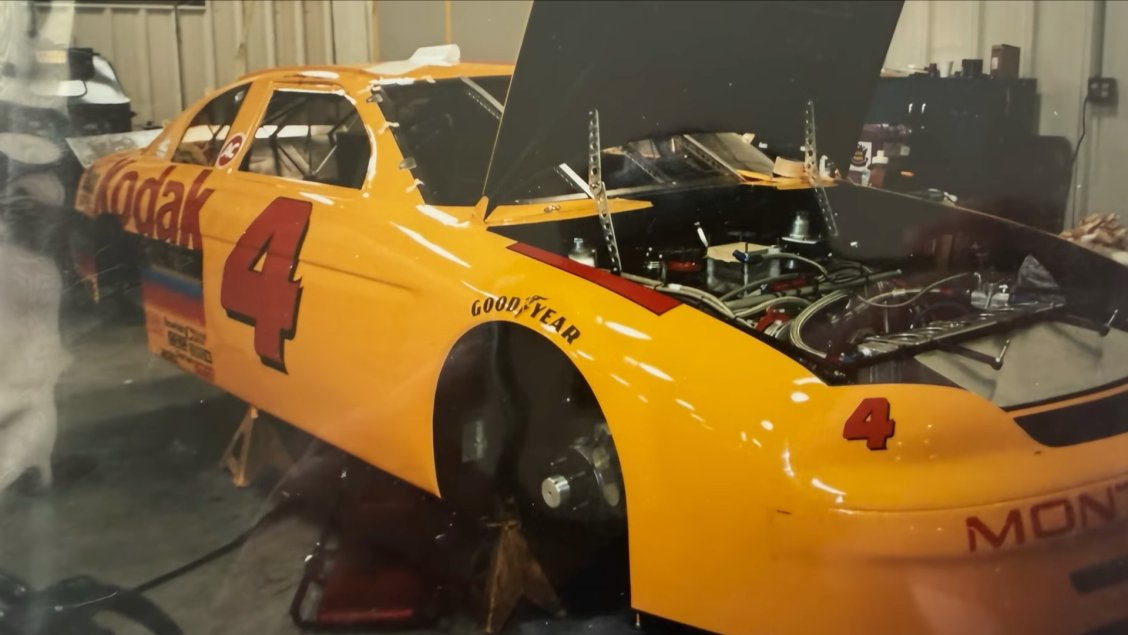
Based in Abingdon, Virginia, Morgan-McClure Motorsports was enjoying a successful period with driver Sterling Marlin and the Kodak-sponsored No. 4 Chevrolet.
After Marlin won the 1994 Daytona 500, team owner Larry McClure continued searching for additional performance advantages ahead of the 1995 race.
According to the report, testing showed the X-pipe exhaust system produced an additional 4.5 horsepower, translating into approximately 1 mph of extra top speed at Daytona. While the exhaust note became its most recognizable characteristic, the performance increase was the team’s primary objective.
Installing the New Exhaust System
Butler initially shipped components to the team’s shop, but fabricators encountered difficulties reshaping the round exhaust tubing into the oval form required for ground clearance.
McClure then asked Butler to travel from Utah to Virginia to oversee the installation. Butler packed the exhaust tubing inside scuba gear bags, flew to the shop, and spent two and a half days working with the team before it departed for Daytona.
A Winning Advantage That Others Couldn’t Identify
Teams typically try to keep technical innovations confidential to prevent competitors from copying them or pushing for rule changes.
However, the X-pipe exhaust produced a sound unlike any other car on the track, making it impossible to conceal completely. Although competitors noticed the difference, the report states that no one correctly identified the X-pipe as the source of the advantage. Jack Roush suspected Morgan-McClure was using a specialized exhaust system but did not identify the X-pipe itself.
Sterling Marlin went on to win the 1995 Daytona 500, securing back-to-back victories in the event.
The X-Pipe Became NASCAR’s Signature Sound
Following the victory, Morgan-McClure signed Butler to a one-year exclusive agreement. After that arrangement ended, other NASCAR teams began adopting X-pipe exhaust systems.
The distinctive high-pitched sound became closely associated with NASCAR and the IROC series throughout the late 1990s and early 2000s.
NASCAR discontinued the X-pipe when the Car of Tomorrow was introduced for the 2008 season. The series has since implemented stricter regulations governing exhaust systems and other components, bringing an end to engineering solutions such as the X-pipe that once helped define an era of competition.