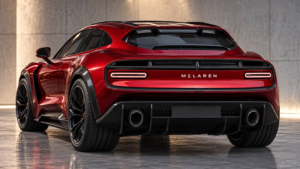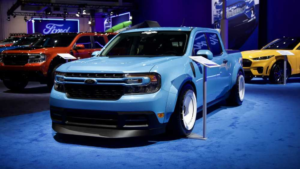


The 2026 Toyota Prius and Honda Prelude represent two of the most dramatic nameplate transformations of the decade. Both now feature sleek styling, hybrid powertrains producing around 200 horsepower, and a focus on efficiency. Despite their similarities, the two models take different approaches to performance, practicality, and value.
Modern Hybrids With Surprisingly Similar Designs
The most obvious visual difference is body style. The Honda Prelude is a two-door coupe, while the Toyota Prius is a four-door liftback. Beyond that, the two share several styling cues, including slim headlights flowing into black trim across the front fascia, similarly designed wheels, and comparable side profiles aided by the Prius’ hidden rear door handles.
At the rear, both vehicles feature full-width taillights with glossy black trim beneath them, black lower bumper sections that house the license plate, and liftback-style rear openings. The Prelude’s rear design is more rounded, while the Prius has a flatter profile.
Dimensionally, the Prelude sits 2.5 inches lower and 3.8 inches wider than the Prius while measuring only 2.7 inches shorter overall due to its longer hood, giving it sportier proportions.
Interior Prioritizes Different Buyers
The Prelude features sport seats with integrated headrests and a more premium-looking cabin with higher-quality materials and finishes. It also uses a traditional instrument layout with a 10.2-inch digital gauge display.
The Prius places its smaller 7-inch instrument display higher on the dashboard to create a pseudo-head-up display effect. Both vehicles include touchscreen infotainment systems, with the Prelude equipped with a 9-inch display and the Prius Nightshade featuring a standard 8-inch screen, while a larger 12.3-inch touchscreen is available on higher Prius trims. Both models retain a healthy number of physical buttons and switches.
While the Prelude offers a sportier cabin, the Prius provides greater practicality. It offers slightly more front headroom, front legroom, and an additional half-inch of hip room. Cargo capacity is also approximately 25% larger than the Prelude’s despite the coupe’s longer rear hatch.
Hybrid Powertrains Offer Similar Performance
Both vehicles use naturally aspirated 2.0-liter inline-four engines paired with two electric motors driving the front wheels. The Prius is also available with optional all-wheel drive.
The Prius produces 194 horsepower, or 196 horsepower with all-wheel drive, while the Prelude delivers 200 horsepower and 232 lb-ft of combined torque. Toyota does not publish a combined torque figure.
According to Car and Driver, the Prelude accelerates from 0 to 60 mph in 6.5 seconds, narrowly outperforming the Prius at 7.1 seconds.
The Prelude also includes an “S+” driving mode that simulates gear changes through paddle shifters. According to the source article, using the simulated shifts slows acceleration and results in a slower 0-60 mph run than leaving the system alone.
Handling vs. Efficiency
The Prelude is equipped with 235-width all-season tires, compared with the Prius’ narrower 195-width tires. Honda also fits the coupe with a front suspension borrowed from the Civic Type R along with that model’s larger front brakes.
Those upgrades give the Prelude an advantage on winding roads, while straight-line performance between the two remains relatively close.
Fuel economy, however, favors the Prius by a significant margin. The Prius Nightshade is rated at 52 mpg combined, while the Prelude achieves 44 mpg combined. The article also notes that the Civic Hybrid hatchback, using the same engine and hybrid system as the Prelude, is rated at 48 mpg combined.
Pricing Creates a Wide Gap
The Honda Prelude is offered in a single fully equipped trim with a starting price of $42,000 plus a $1,195 destination and handling fee.
Honda’s own Civic Hatchback Hybrid, using the same powertrain and much of the same interior, starts at $33,595 plus the same destination charge, although it does not include the Prelude’s Type R-derived suspension and braking hardware.
Toyota offers the Prius in multiple trim levels, all priced below the Prelude. The Prius Nightshade, positioned as the closest competitor, starts at $32,800 plus a $1,295 destination fee, making it $9,100 less expensive than the Prelude.
The article also notes that buyers could choose the plug-in hybrid Prius, which offers 220 horsepower and 47 miles of all-electric driving range, while still costing approximately $4,000 less than the Prelude.
Overall Comparison
Based on the specifications, pricing, fuel economy, and practicality presented in the comparison, the Toyota Prius outperforms the Honda Prelude in most measurable categories, including value, cargo capacity, interior space, and fuel efficiency.
The Prelude distinguishes itself with sharper handling, wider tires, upgraded suspension and brakes, and slightly quicker acceleration. For buyers seeking a stylish two-door hybrid grand tourer with sportier road manners, it remains a unique option. For most shoppers, however, the comparison concludes that the Prius offers the stronger overall package, delivering greater practicality, better fuel economy, and substantially lower pricing while giving up less than one second in the 0-60 mph sprint.