The electric-car revolution has entered a new phase. The question in 2026 is no longer whether automakers can build an electric vehicle. They clearly can. The bigger question is what happens when EVs become faster to charge, cheaper to build, smarter to operate and increasingly capable of interacting with the home energy grid.
That is the story behind the Revolutionary Electric Cars Revealed in 2026. The most interesting new EVs are not simply gasoline cars with their engines removed. They are being developed around entirely different ideas about batteries, software, vehicle architecture, performance and even how a car fits into everyday life.
The market is also expanding rapidly. The International Energy Agency says global electric-car sales exceeded 20 million in 2025, accounting for about one-quarter of all new-car sales. Its latest analysis expects EVs to represent approximately 29% of global car sales in 2026.
That growth is bringing an unusually diverse group of vehicles to market. Some are affordable compact crossovers. Others are six-figure luxury SUVs or electric performance machines capable of more than 1,000 horsepower.
Here are more than 20 electric vehicles and technologies that help explain where driving is heading next.
What Makes an Electric Car Revolutionary?
Being new does not automatically make an EV revolutionary. A new electric crossover with a slightly larger battery may be useful, but it does not necessarily change the industry.
The most important EVs are pushing the technology forward in at least one of five areas:
- Efficiency: More miles from every kilowatt-hour.
- Charging: Adding meaningful range in minutes rather than hours.
- Software: Vehicles that can receive substantial improvements after purchase.
- Packaging: Using the electric platform to create new cabin and body designs.
- Affordability: Bringing advanced EV technology to a much larger audience.
That final point is particularly important. A $150,000 electric SUV can demonstrate extraordinary engineering, but a $30,000 EV sold in large numbers could have a much greater impact on transportation.
The EV Technology Driving the Revolution
800-Volt Charging Is Becoming a Major Advantage
One of the biggest changes is the rapid adoption of high-voltage electrical architectures.
An 800-volt system can deliver high charging power while keeping current lower than an equivalent lower-voltage system. That can help reduce heat and charging losses and makes very fast DC charging more practical.
The new BMW iX3, for example, uses an 800-volt architecture and supports charging at up to 400 kW. BMW says the vehicle can add as much as 372 kilometers, or 231 miles, of WLTP range in 10 minutes under suitable conditions. Its 10-to-80% charging time is about 21 minutes.
Porsche takes the concept even further with the Cayenne Electric. Its charging system can support up to 390 kW under appropriate conditions, while Porsche says the battery can go from 10% to 80% in about 16 minutes with the required high-power charger and battery conditions.
But peak charging power should never be confused with the average charging rate. Temperature, battery state of charge and charger capability all influence the real charging experience.
Batteries Are Becoming Cheaper and More Sophisticated
The next battery revolution is unlikely to come from a single magic chemistry.
Instead, automakers are improving cell energy density, thermal management, battery packaging, manufacturing processes and software.
Lithium-iron-phosphate, or LFP, batteries are especially important because they can reduce costs while offering durability and thermal-stability advantages. They may be particularly useful in affordable EVs where minimizing battery cost is more important than achieving maximum energy density.
Solid-state batteries remain one of the industry’s most closely watched technologies. They could eventually offer improvements in energy density and safety, but manufacturing at automotive scale remains a major challenge.
In other words, buyers should be careful with predictions that solid-state batteries are about to make today’s EVs obsolete. The near-term revolution is more likely to come from better versions of existing lithium-ion technology.
Bidirectional Charging Could Turn Cars Into Energy Assets
One of the most interesting developments is bidirectional charging.
Instead of electricity flowing only from the grid into the vehicle, compatible systems allow energy to move in the opposite direction.
- V2L: Vehicle-to-load, allowing the car to power appliances or equipment.
- V2H: Vehicle-to-home, allowing the battery to support a house.
- V2G: Vehicle-to-grid, allowing energy to be returned to the electricity network.
The technology could eventually change the way people think about an EV. A vehicle parked in a driveway for 12 hours is not simply transportation sitting idle. Its battery could potentially become part of the household’s energy system.
20+ Revolutionary Electric Cars to Watch
1. Rivian R2

The Rivian R2 could be one of the most important EVs for the American market because it brings the company’s distinctive electric SUV formula into a smaller and potentially more accessible package.
Unlike the larger R1S, the R2 is designed to appeal to buyers who want Rivian’s adventure-oriented identity without stepping into a full-size luxury SUV.
Its significance goes beyond specifications. Rivian needs the R2 to move from being a niche premium EV manufacturer toward a much larger-volume automaker.
That makes production efficiency, pricing, reliability and charging access just as important as horsepower or acceleration.
2. BMW iX3: The Neue Klasse Revolution
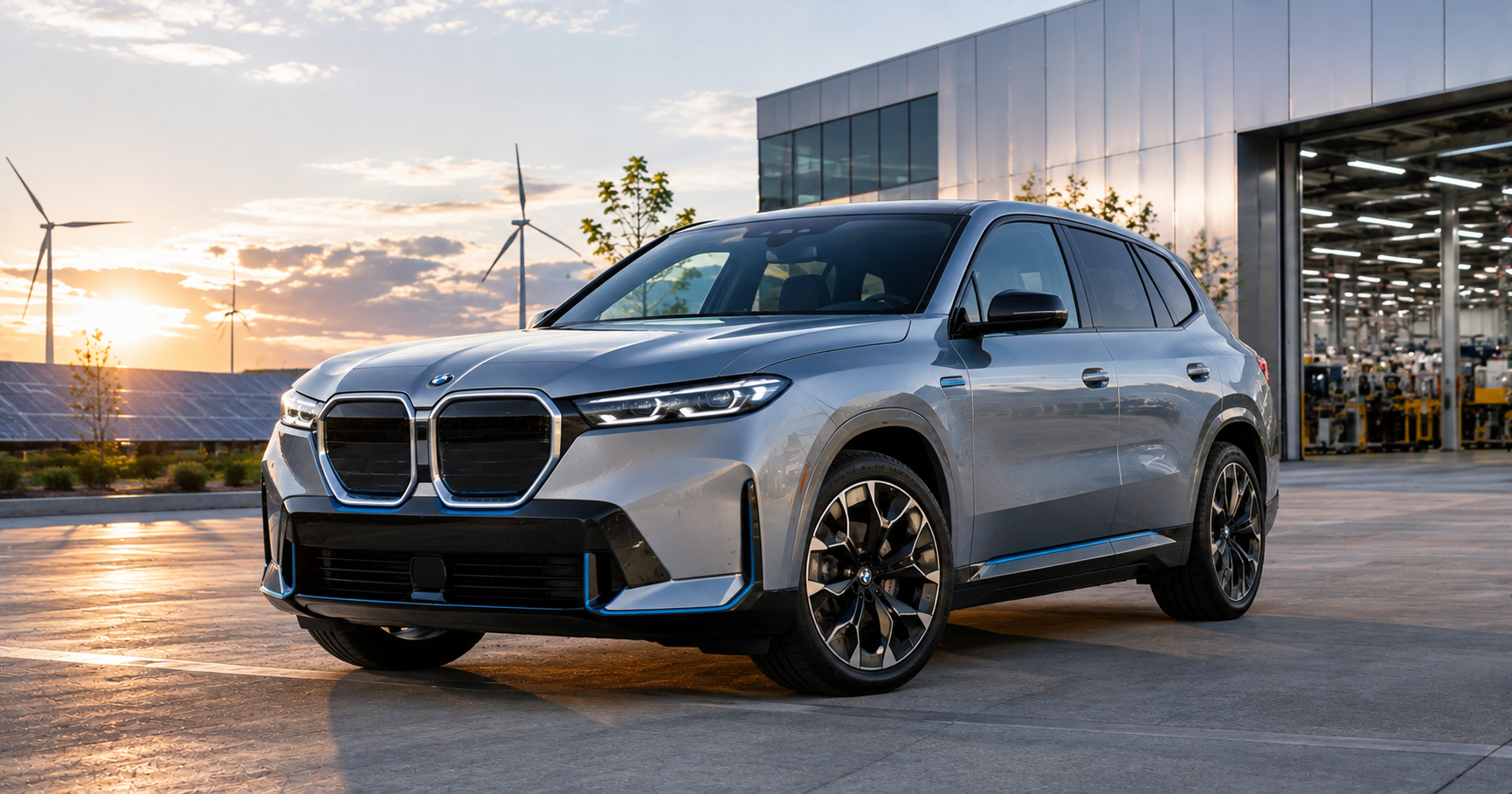
If one vehicle represents the industry’s transition toward software-defined EVs, the new BMW iX3 is a strong candidate.
BMW describes it as the first series-production model based on the Neue Klasse strategy. The vehicle combines sixth-generation eDrive technology with an 800-volt system, new cylindrical battery cells and a radically revised electronic architecture.
The iX3 50 xDrive has a usable battery capacity of 108.7 kWh and a claimed WLTP range of up to 805 kilometers, or about 500 miles. BMW also quotes 469 horsepower and a 0-to-62-mph time of 4.9 seconds for that version.
But the more important story is underneath the body.
BMW uses four centralized high-performance computers, or “superbrains,” to replace much of the fragmented electronics architecture found in conventional vehicles. That approach is intended to make the car more computationally powerful while reducing wiring complexity.
This is why the iX3 matters: it is effectively a demonstration of BMW’s future vehicle architecture, not simply another electric SUV.
3. Genesis GV90

The Genesis GV90 represents another direction for EV development: the electric luxury lounge.
Large electric SUVs can use the flat packaging advantages of a dedicated EV platform to create spacious cabins, while the absence of an internal-combustion engine can help designers rethink traditional proportions.
The GV90 is aimed at buyers who expect limousine-like comfort from an SUV. Its importance is therefore less about mass adoption and more about showing what luxury interiors could become when designers are no longer constrained by a large gasoline powertrain.
Its reported battery and range figures should be treated carefully until final U.S. specifications are confirmed.
4. Ferrari Luce

Ferrari’s move into fully electric propulsion is significant for a reason that has little to do with battery capacity.
Ferrari built its identity around engines, sound, mechanical feedback and motorsport heritage. An EV removes one of those fundamental emotional components.
The challenge is therefore philosophical: can Ferrari create an electric car that feels unmistakably like a Ferrari?
The answer will depend on chassis tuning, torque management, steering response, weight control, sound design and the relationship between driver and machine.
Because Ferrari’s final production specifications and naming details have evolved, unconfirmed figures should not be presented as established facts.
5. Porsche Cayenne Electric

The Porsche Cayenne Electric demonstrates how electric propulsion can transform a performance SUV.
The Turbo Electric produces up to 1,156 PS, while Porsche says its regenerative braking system can recover up to 600 kW under suitable conditions. The battery has a gross energy capacity of approximately 113 kWh, and the vehicle uses an integrated battery structure that contributes to body rigidity and packaging efficiency.
The charging story is equally impressive. Porsche’s U.S. specifications list 10-to-80% DC charging in 16 minutes under optimal conditions, while the system can support very high charging power through an appropriate fast charger.
The result is a vehicle that challenges an old assumption: that a large electric SUV must be comfortable but not genuinely sporty.
6. Hyundai Ioniq 6 N

The Hyundai Ioniq 6 N takes a different approach to electric performance.
Instead of simply maximizing acceleration, Hyundai uses software to recreate some of the sensations associated with high-performance gasoline cars.
Simulated gear changes, artificial drivetrain sounds, adjustable power delivery and sophisticated torque management are intended to give the driver more feedback.
Some enthusiasts will love that approach. Others will argue that an EV does not need to imitate a combustion engine.
Either way, the Ioniq 6 N is important because it demonstrates that electric performance can be about driver engagement rather than simply producing a massive horsepower figure.
7. Genesis GV60 Magma

Genesis is also moving into the performance EV market with its Magma sub-brand.
The GV60 Magma is designed around high-output electric motors, performance-oriented thermal management, aggressive chassis tuning and software that can alter how power is delivered.
Reported figures around 641 horsepower have circulated, but buyers should distinguish between final market specifications and temporary boost or launch-control outputs.
The larger significance is Genesis’s attempt to challenge established performance brands such as BMW, Mercedes-Benz and Porsche.
8. Kia EV3

The Kia EV3 may ultimately matter more to the EV market than many exotic performance cars.
Why? Size.
A compact electric crossover needs a smaller battery than a three-row luxury SUV. That reduces weight, material requirements and potentially the purchase price.
The EV3 combines compact dimensions with an efficient interior, modern technology and a range aimed at making electric ownership practical rather than intimidating.
As EV adoption expands beyond affluent early adopters, vehicles like the EV3 could become increasingly important.
9. Chevrolet Bolt
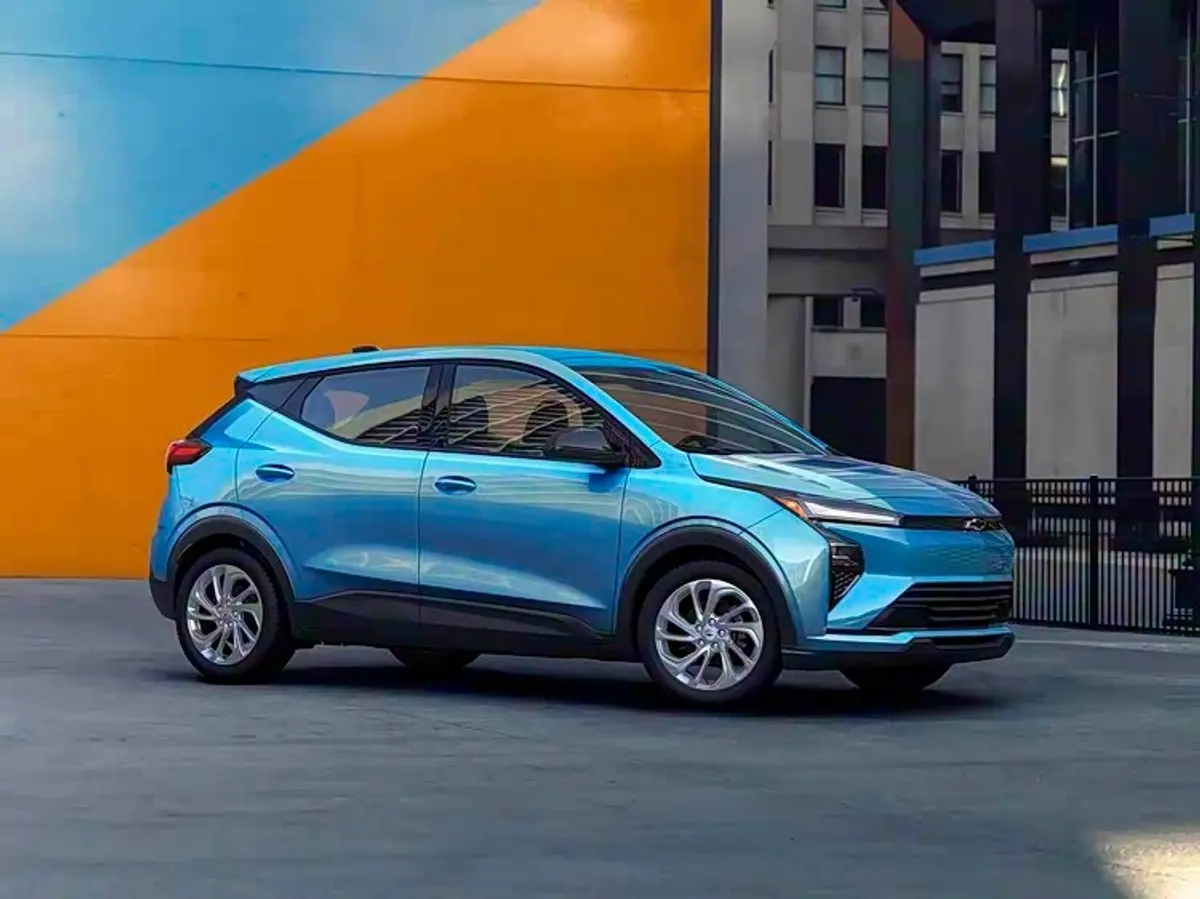
The return of the Chevrolet Bolt is perhaps the clearest example of why affordability could become the next major EV battleground.
The Bolt name already has recognition among American EV buyers, and a new generation positioned near the mainstream market could make electrification more accessible.
For buyers, the key questions are not whether the Bolt can accelerate quickly. They are whether Chevrolet can deliver competitive range, dependable charging, reasonable ownership costs and a genuinely accessible purchase price.
If it can, the Bolt could have more market impact than many premium EVs costing twice as much.
10. Subaru’s Electric Family SUV Strategy

The proposed Subaru “Getaway” should be treated cautiously. The name and specifications require confirmation before being presented as an official production vehicle.
Nevertheless, the underlying market opportunity is clear.
Subaru customers are often interested in all-wheel drive, outdoor activities, family practicality and safety. A three-row electric SUV combining those traits could fill a significant gap.
The challenge will be balancing battery weight with ground clearance, towing capability, range and off-road performance.
11. Range Rover Electric
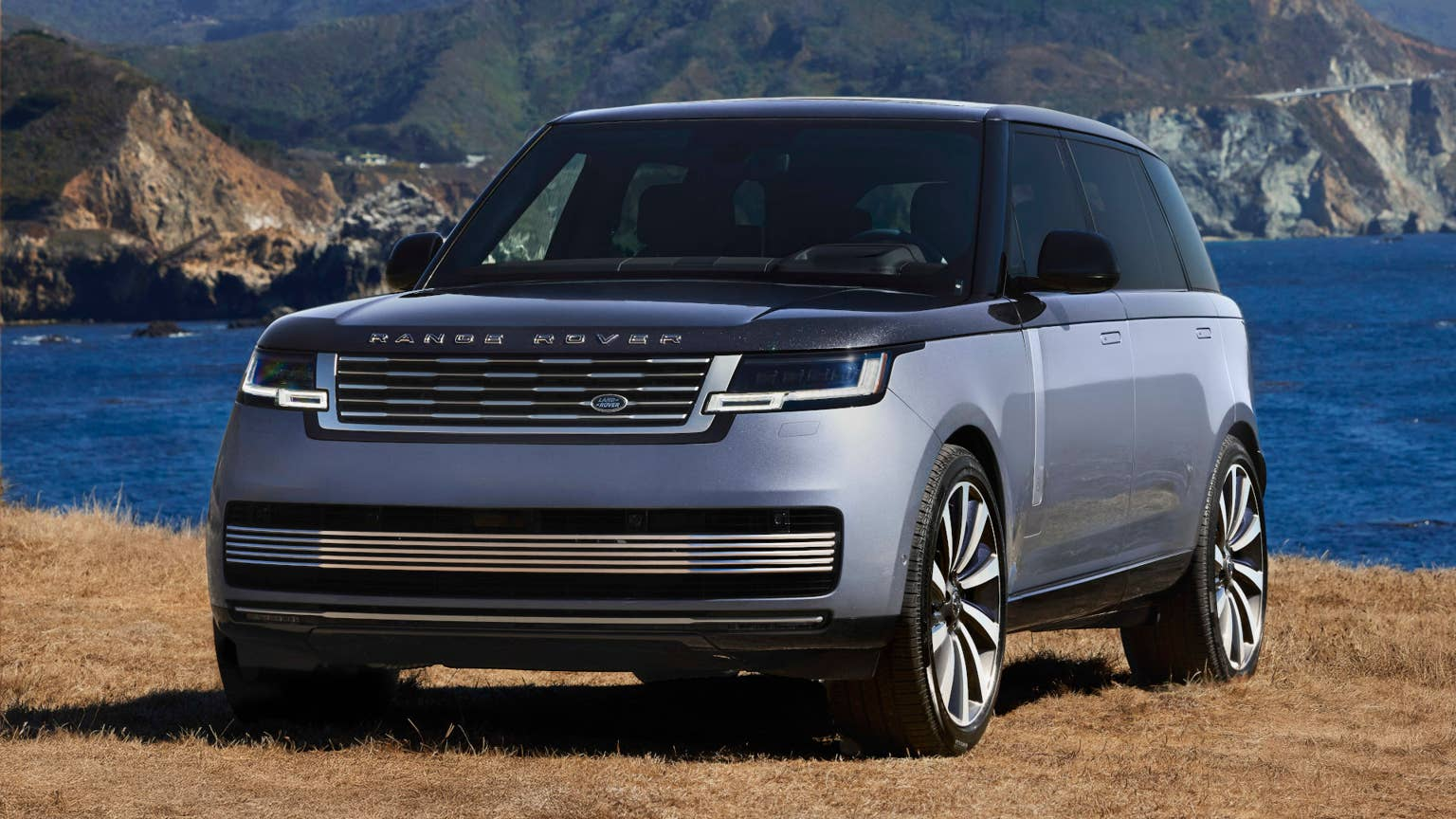
Range Rover faces a unique electrification challenge.
Its customers expect quiet luxury, long-distance comfort and genuine off-road capability. They also expect towing and the ability to operate in demanding environments.
Electric propulsion can actually complement several of those requirements. Electric motors deliver precise torque control, while a large battery can provide smooth, quiet power.
The difficult part is weight and charging infrastructure, particularly for customers traveling far from major urban areas.
12. Range Rover GT

A Range Rover GT-style electric model would take the brand in a more road-focused direction, emphasizing high-speed cruising, comfort and premium design.
However, the exact official naming and specifications should be verified before publication. The important trend is Range Rover’s broader transition toward dedicated electric architectures rather than any single speculative specification.
13. Mitsubishi Eclipse Sportback EV
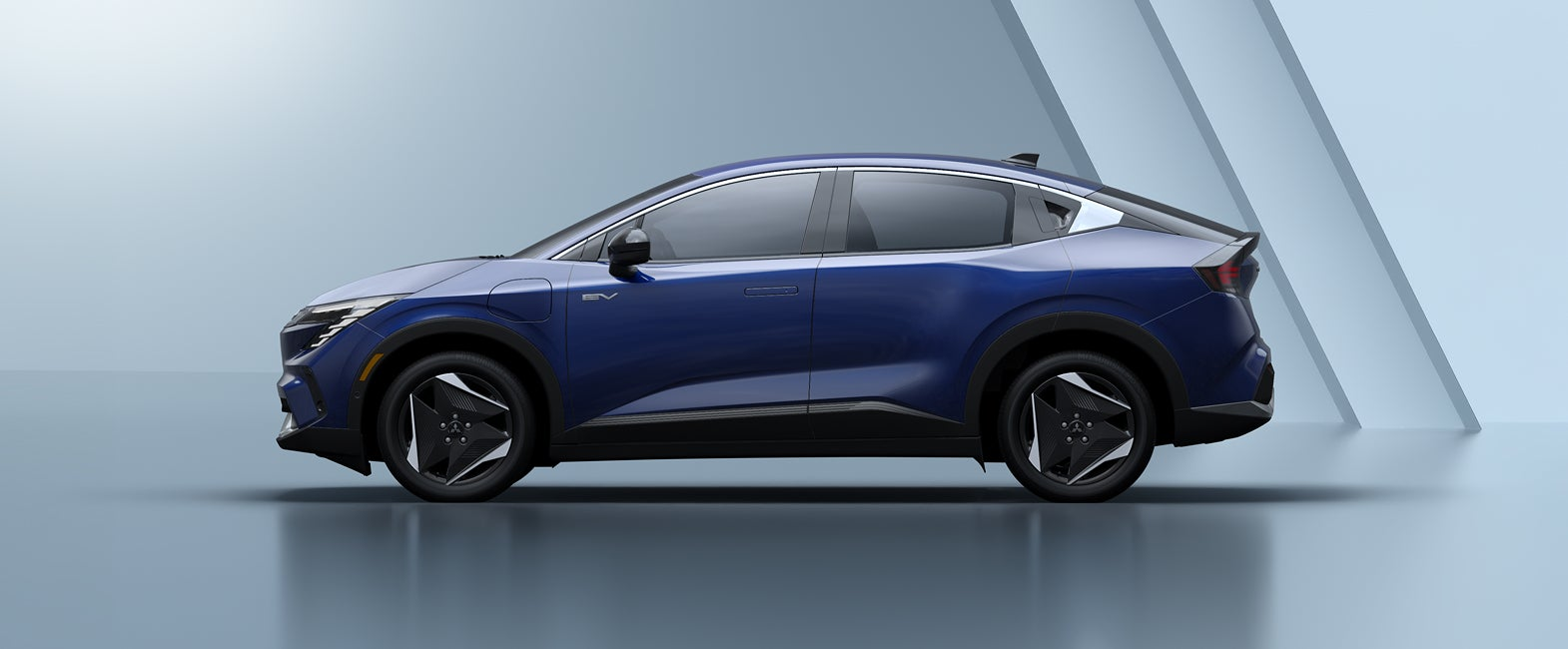
Mitsubishi’s electric revival is notable because it connects a familiar name with technology derived from the company’s alliance ecosystem.
Mitsubishi Motors has said the Eclipse Sportback EV uses a 75-kWh lithium-ion battery and supports Level 1 and Level 2 charging, along with Level 3 DC charging through a NACS connector. The company has targeted a North American launch in early fall 2026.
The vehicle is important less because it introduces a completely new EV architecture and more because it shows how automakers can share platforms and technology to reduce the cost and time required to bring electric models to market.
14. Honda 0 SUV — A Lesson in EV Uncertainty
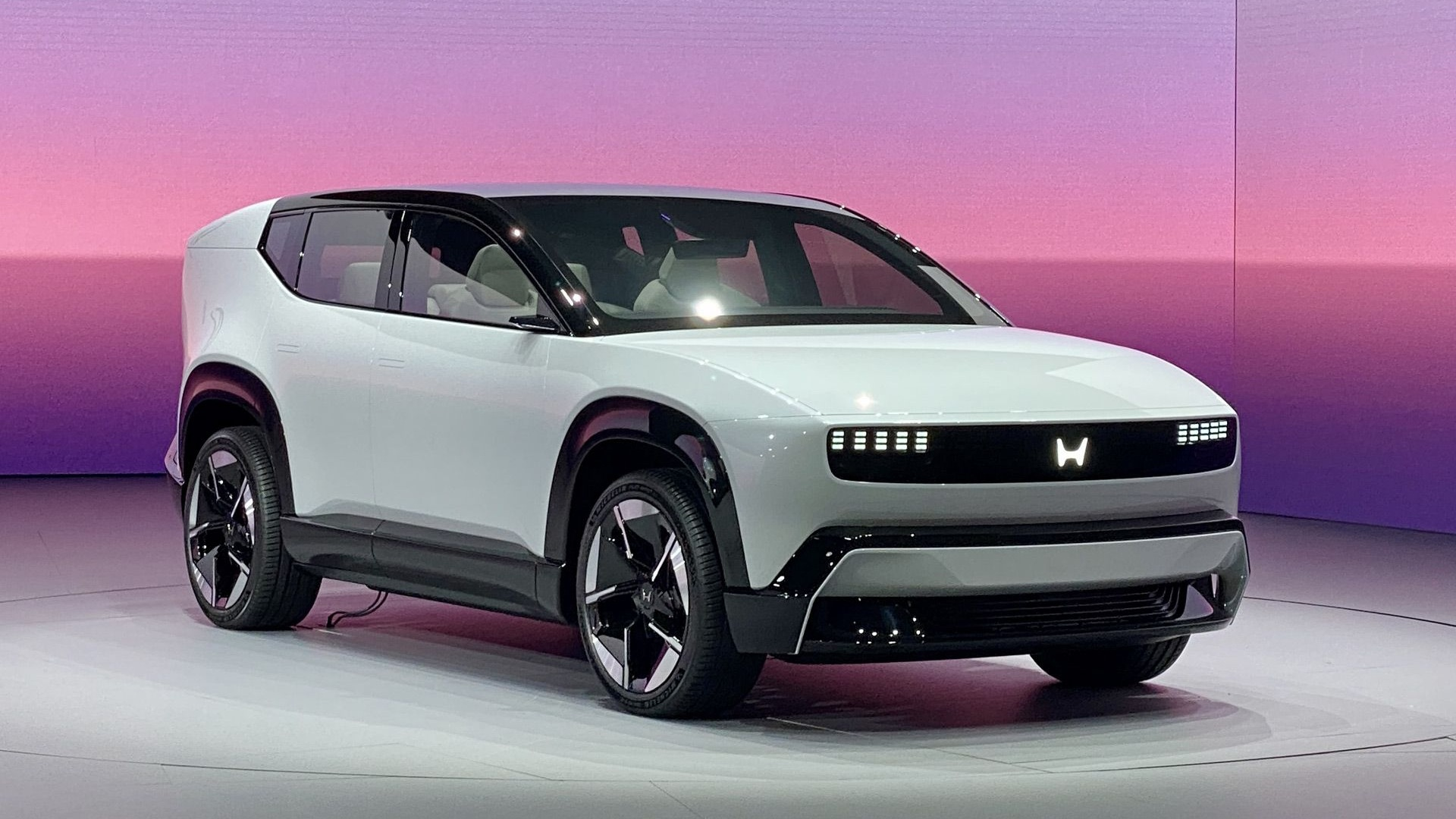
The Honda 0 SUV belongs in this story, but not as an upcoming production vehicle.
Honda officially announced in March 2026 that it was canceling the launch and development of the Honda 0 SUV, Honda 0 Saloon and Acura RSX. Honda cited major changes in the business environment and weaker EV demand in North America.
That makes the 0 Series an important case study.
It demonstrates that even highly publicized EV programs can be canceled before reaching customers when economics, demand and strategy change.
15. Honda 0 Saloon
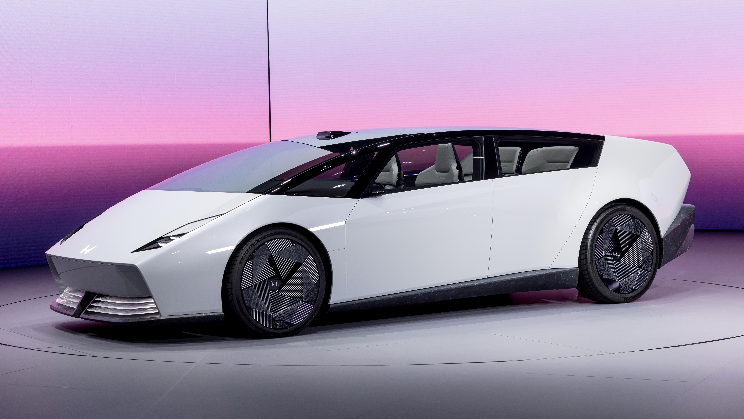
The 0 Saloon was designed as a radical, low-slung electric vehicle intended to demonstrate Honda’s new design philosophy.
It is now better understood as a technology and design concept than as a future production car.
Its cancellation also illustrates one of the most important realities of the modern EV market: concept-car excitement does not guarantee commercial viability.
16. Acura RSX EV
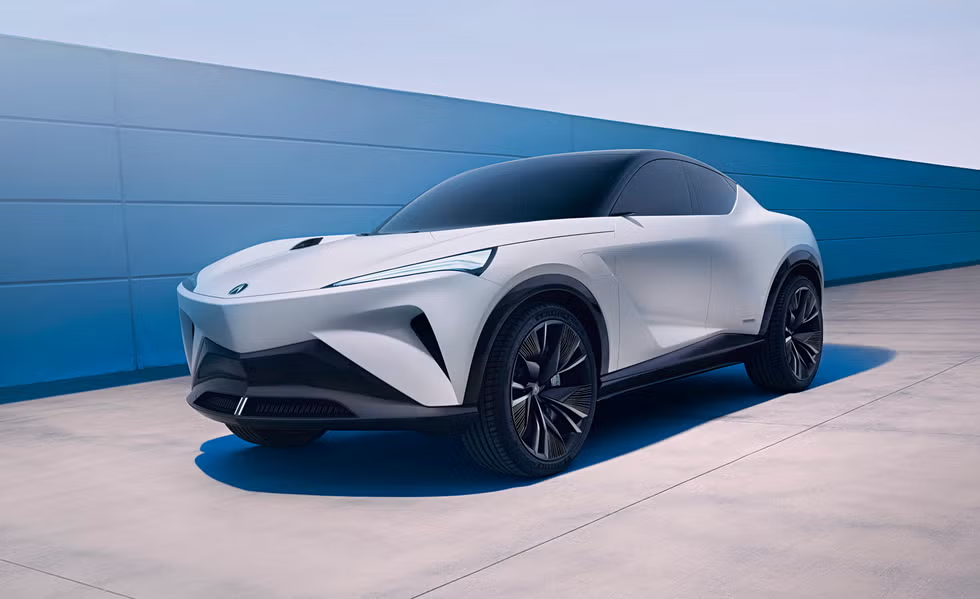
The Acura RSX was expected to become part of Honda’s next-generation electric strategy, but Honda’s March 2026 announcement ended the program.
Rather than presenting it as an upcoming EV, it belongs in the article as evidence of how quickly automakers can change direction in response to market conditions.
17. Kia EV2

The Kia EV2 represents the broader movement toward smaller electric vehicles.
Smaller cars have a major advantage: they do not need enormous batteries to provide useful everyday range.
That can lower cost and energy consumption while making EVs more practical for city drivers.
18. Volkswagen ID. Polo
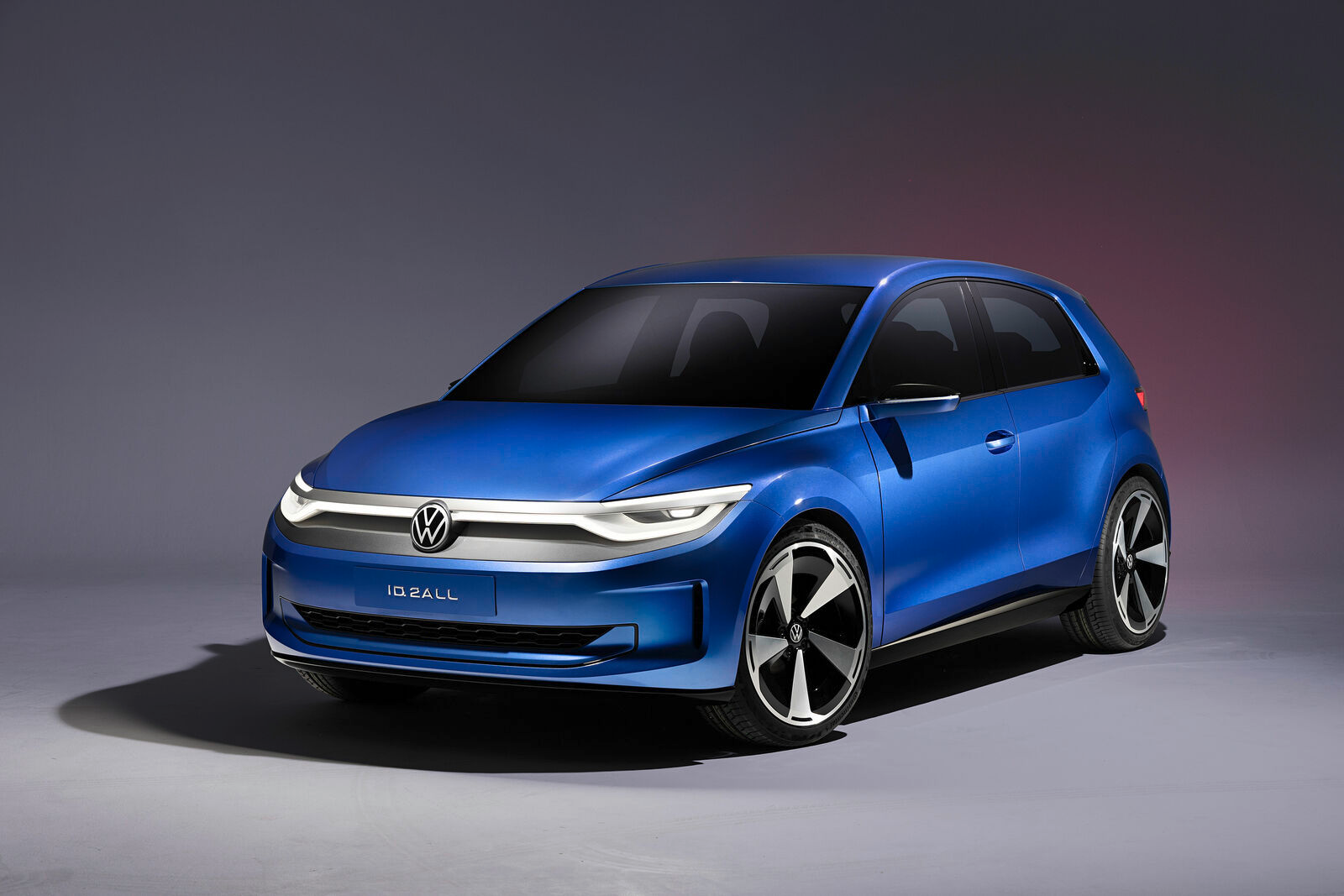
Volkswagen’s smaller electric models are important because Europe’s EV transition increasingly depends on affordable compact cars.
These vehicles demonstrate a crucial principle: electrification does not have to mean replacing every gasoline vehicle with a giant battery-powered SUV.
19. Cupra Raval
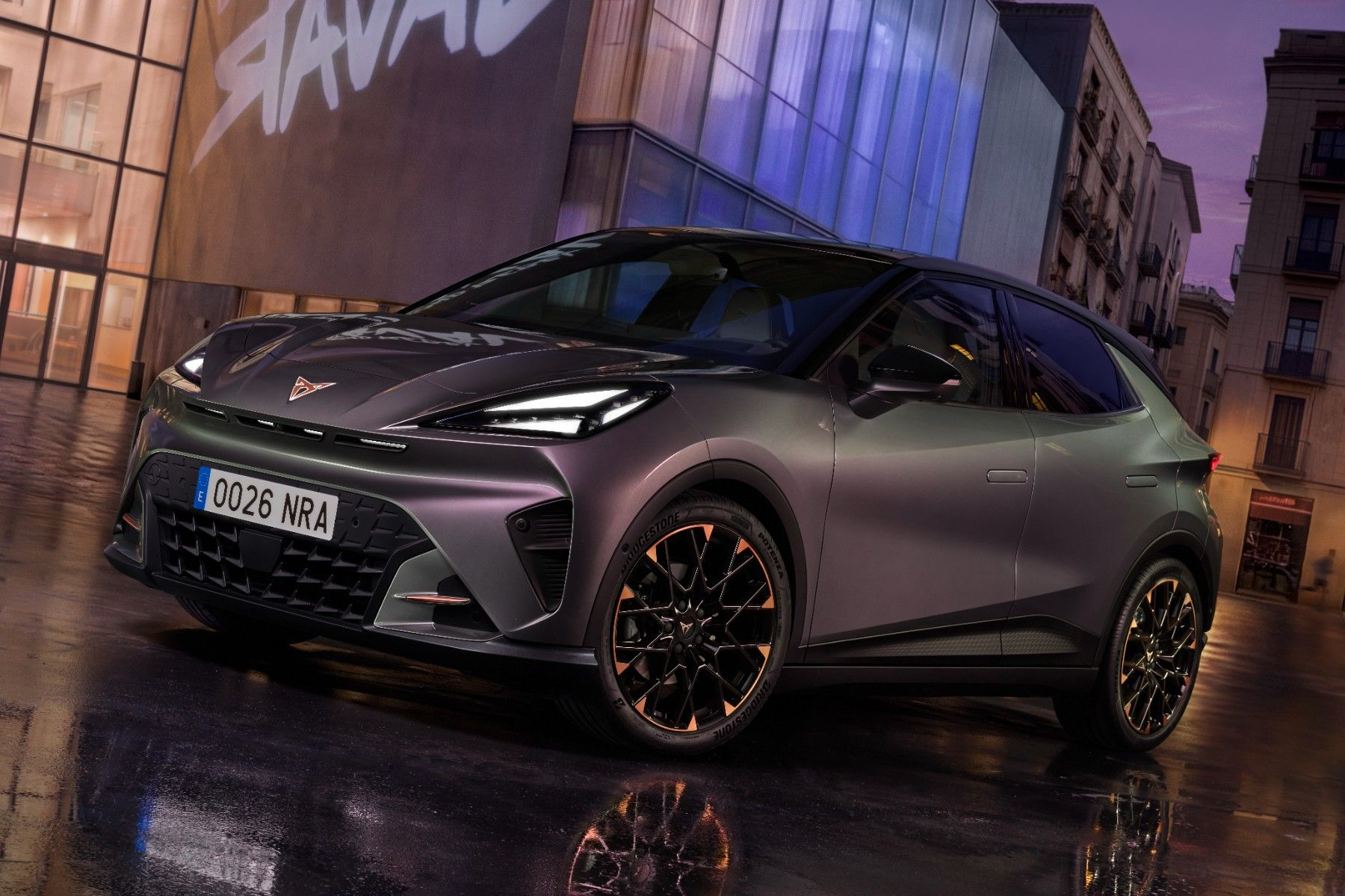
The Cupra Raval belongs to a growing class of compact electric cars designed around urban mobility.
Their success will depend heavily on affordability, charging access and efficient use of battery capacity.
20. Renault Twingo
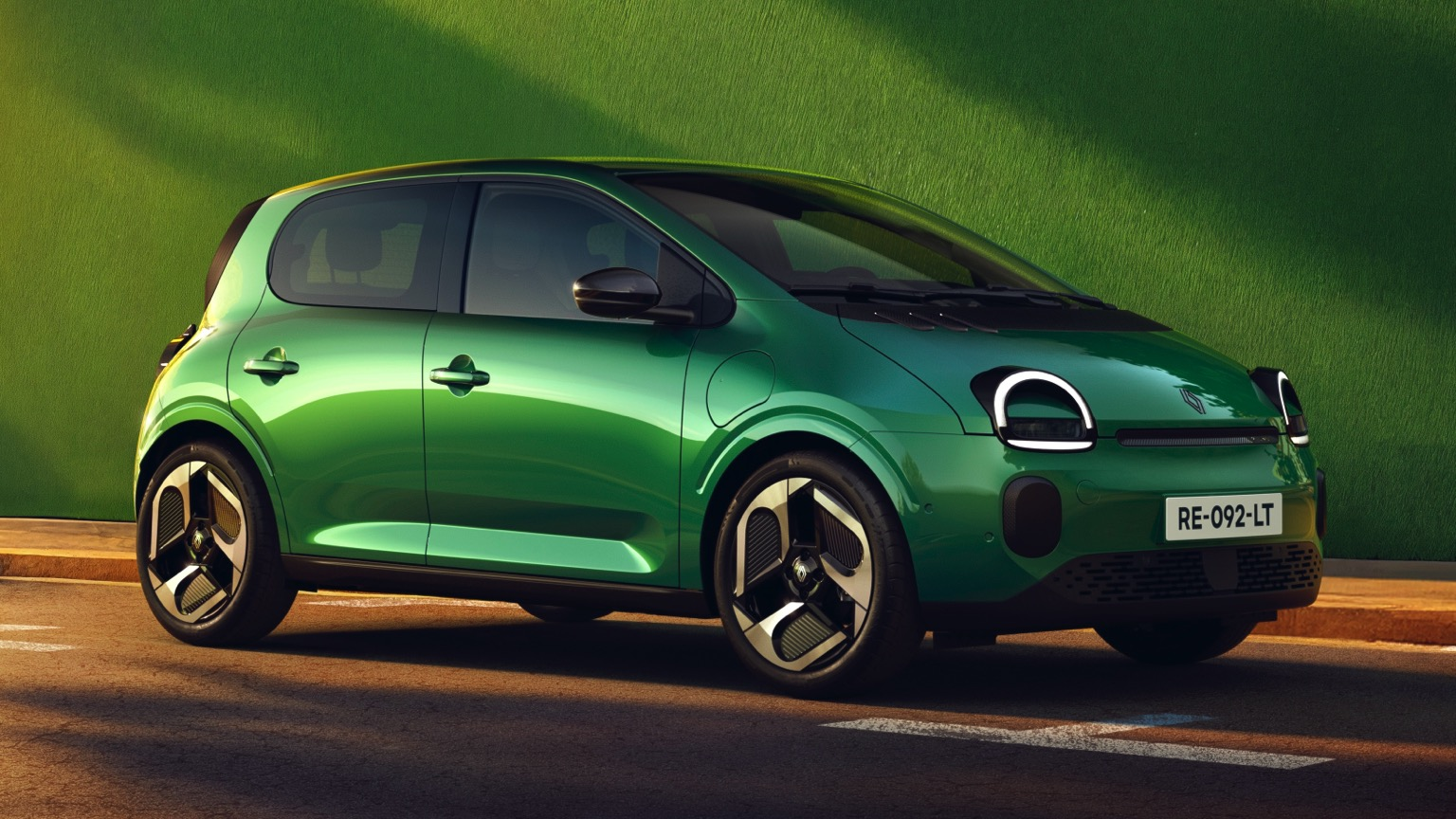
Renault’s Twingo EV strategy reflects another important trend: reducing the physical size and battery requirements of electric vehicles.
A small city car may not need 300 miles of range. For an owner who drives 30 miles a day and charges at home, a smaller battery could actually be the smarter engineering solution.
The Affordable EV Revolution Could Matter Most
There is a temptation to define automotive innovation by horsepower.
That would be a mistake.
The EV that changes the world may not be the fastest car. It may be the one that makes electric transportation affordable for millions of people.
The IEA says battery-electric models priced below $20,000 represented around 30% of battery-electric models in China in 2025. It also found that 70% of battery-electric cars sold in China were cheaper than the average conventional car.
The contrast with the United States is significant. American consumers have historically shown stronger demand for larger vehicles, while tariffs, manufacturing costs, battery sourcing and policy changes can all affect EV pricing.
That is why compact models such as the EV3, smaller Volkswagen EVs and future affordable models could have enormous long-term importance.
The Luxury EV Revolution
At the opposite end of the market, luxury brands are using EVs as technological showcases.
BMW is reinventing its electronic architecture. Porsche is combining extreme performance with rapid charging. Genesis is exploring new luxury interiors and performance branding. Range Rover is adapting its traditional luxury formula to electric propulsion.
Ferrari faces perhaps the hardest emotional challenge of all: proving that an electric powertrain can still deliver the sense of occasion associated with a Ferrari.
Luxury EVs therefore serve two purposes. They generate sales, but they also allow automakers to test technologies that may eventually migrate into cheaper models.
The Performance EV Revolution
Electric motors have an obvious performance advantage: torque is available extremely quickly.
But the real engineering revolution is more sophisticated than instant acceleration.
Multiple motors can independently control torque at different wheels. Software can alter the front-to-rear balance, adjust regenerative braking and manage traction hundreds or thousands of times during a drive.
That makes electric vehicles unusually programmable performance machines.
The Porsche Cayenne Turbo Electric is a dramatic example. Its 850-kW system produces up to 1,139 horsepower under U.S. specifications, while Porsche lists a 0-to-60-mph time of 2.4 seconds for the Turbo Electric.
That would have been supercar territory for an SUV powered by an internal-combustion engine.
Why Charging May Matter More Than Range
Range anxiety is often discussed as if battery capacity is the only solution.
It is not.
Consider two hypothetical EVs.
Car A travels 400 miles but requires 45 minutes to recover meaningful range during a road trip.
Car B travels 330 miles but can add roughly 200 miles during a short stop.
For many highway drivers, Car B could be the more convenient vehicle.
That is why the charging curve matters as much as the maximum range figure.
Consumers should examine:
- Maximum DC charging power.
- 10-to-80% charging time.
- How long the vehicle maintains high charging power.
- Battery preconditioning.
- Access to reliable fast chargers.
- Home charging capability.
And U.S. shoppers should compare EPA numbers with EPA numbers. WLTP figures from Europe are useful but should not be presented as equivalent to EPA range. The EPA uses laboratory testing and adjusts results for factors including temperature, HVAC use, speed and aggressive driving.
How AI Is Changing the Electric Car
Electric cars are becoming increasingly dependent on software.
AI and advanced computing can help with:
- Voice assistants.
- Navigation and charging recommendations.
- Predictive battery management.
- Driver assistance.
- Personalized cabin settings.
- Remote diagnostics.
- Energy optimization.
The BMW Neue Klasse architecture illustrates the direction. BMW’s four centralized computing units are designed to coordinate major vehicle functions rather than relying on a huge collection of independent control units.
The advantage is flexibility.
Instead of every function being permanently defined when the vehicle leaves the factory, more capabilities can potentially be improved through software updates.
Electric Cars Are Becoming Software Platforms
The modern EV increasingly resembles a connected computer on wheels.
Over-the-air updates can modify vehicle systems without requiring a dealership visit. Charging behavior can be optimized. Driver-assistance features can improve. New digital functions can potentially be added after purchase.
But this creates new risks.
Cybersecurity, privacy, subscription fees and long-term software support become part of vehicle ownership.
A gasoline car could remain useful for decades with limited electronic support. A software-defined EV raises a different question: how much of its functionality will remain supported 10 or 15 years from now?
China’s Growing Influence
No discussion of the future EV market is complete without China.
China has built enormous advantages in batteries, manufacturing scale, supply chains and domestic competition. The IEA reports that China accounted for nearly 75% of global EV production and more than 80% of battery-cell production in 2025.
The result is intense competition.
Chinese automakers can develop models rapidly, experiment with different battery chemistries and spread technology costs across a huge domestic market.
Western automakers are responding with lower-cost platforms, regional battery manufacturing, LFP adoption, software investment and new compact EV strategies.
The competition is therefore no longer simply about who makes the best electric motor.
It is about who can build the entire EV ecosystem most efficiently.
What Revolutionary EVs Mean for Gasoline Cars
Internal-combustion vehicles are not disappearing overnight.
They still offer advantages in areas such as fast refueling, long-distance travel in regions with limited charging infrastructure and established service networks.
But EVs are steadily eliminating some traditional advantages of gasoline cars.
Electric vehicles offer immediate torque, precise motor control, quiet operation and potentially lower energy and maintenance costs.
As charging improves and battery prices fall, the practical advantages of combustion engines become less decisive for more consumers.
The transition will nevertheless vary by country, vehicle segment and consumer needs.
The Biggest Challenges Facing the Next Generation of EVs
The EV revolution is real, but it is not frictionless.
- Affordability: Many advanced EVs remain expensive.
- Charging infrastructure: Reliability and availability still vary widely.
- Battery supply: Mining, refining and manufacturing remain strategic concerns.
- Weight: Large batteries can make vehicles extremely heavy.
- Software: More software means greater cybersecurity and support requirements.
- Resale values: Rapid technological progress can increase depreciation risk.
- Policy: Incentives and regulations can change quickly.
Which Revolutionary EVs Could Actually Change the Market?
Technology and market impact are not the same thing.
| EV or technology | Primary importance | Potential market impact |
|---|---|---|
| Chevrolet Bolt | Affordability | Very high |
| Rivian R2 | Accessible electric SUV | High |
| Kia EV3 | Compact EV practicality | High |
| BMW iX3 | Software and charging architecture | High |
| Porsche Cayenne Electric | Performance and charging | Moderate |
| Genesis GV90 | Luxury design | Moderate |
| Ferrari electric program | Emotional performance | High symbolic impact |
| Solid-state batteries | Next-generation energy storage | Potentially enormous |
| V2H/V2G | Energy integration | High over the long term |
The most revolutionary technology may ultimately be the one that moves from a $100,000 luxury vehicle into a $30,000 family car.
How to Choose a Revolutionary Electric Car in 2026
Buyers should resist the temptation to choose an EV solely by horsepower or maximum range.
Instead, evaluate the entire ownership experience.
- Check EPA range. Use the U.S. figure when comparing American-market vehicles.
- Study charging time. A high peak kW number does not tell the whole story.
- Consider home charging. For many owners, overnight charging is more important than public charging speed.
- Check battery warranties. Look at both time and mileage limits.
- Consider climate. Cold and hot temperatures can influence range and charging.
- Research service coverage. A technologically advanced car is less useful if repairs require long-distance travel.
- Compare insurance and tires. Heavy, powerful EVs can be expensive to insure and equip.
- Verify V2H equipment. The vehicle alone may not be enough to power a home.
- Think about resale value. Rapid technology changes can affect depreciation.
- Check incentives before buying. Never assume an incentive remains available.
The EVs Worth Watching Beyond 2026
The pipeline remains enormous.
The IEA estimates that roughly 150 new electric models have been announced for 2026, followed by around 70 in 2027 and another 40 in 2028.
That means today’s list will quickly become outdated.
More Neue Klasse BMW models are coming. Rivian plans additional R2 variants. Compact EVs are expanding. Porsche and Range Rover are developing further electric products. Automakers are also experimenting with new battery architectures, centralized computers and energy-management systems.
At the same time, the cancellation of Honda’s 0 Series demonstrates that announcements should never be confused with guaranteed production.
Final Verdict: Are We Entering the Next Era of Electric Cars?
Yes—but the revolution is more complicated than simply replacing gasoline engines with electric motors.
The next generation of EVs is changing almost every layer of the automobile.
Batteries are becoming more energy-dense and less expensive. Charging systems are becoming dramatically faster. Software is becoming central to the driving experience. AI is entering vehicle interfaces and energy management. Bidirectional charging could turn cars into mobile energy-storage systems.
At the same time, electric platforms are giving designers more freedom to rethink cabin space, vehicle proportions and luxury interiors.
The BMW iX3 shows how software, batteries and electronics can be redesigned together. The Porsche Cayenne Electric shows how an electric SUV can deliver extraordinary performance. Rivian R2 and Kia EV3 demonstrate the importance of more accessible electric SUVs. And the return of affordable EVs such as the Bolt could determine whether electrification becomes a mass-market phenomenon rather than a premium trend.
That is ultimately what makes the Revolutionary Electric Cars Revealed in 2026 so important. The most consequential EV may not be the one with the biggest battery, the fastest acceleration or the highest price.
It may be the vehicle that makes electric driving easier, cheaper and more useful for ordinary people.
The next five years will determine which automakers can turn today’s impressive technology into products that millions of drivers actually want to own.
Frequently Asked Questions
What is the most revolutionary electric car revealed in 2026?
There is no objective single winner. The BMW iX3 is one of the strongest technology showcases because it combines an 800-volt system, 400-kW charging, centralized computing, advanced battery technology and bidirectional charging. The Rivian R2 and affordable EVs such as the Bolt could ultimately have greater market impact if they achieve competitive pricing and high production volumes.
Which new EV has the longest driving range?
The BMW iX3 is rated for up to 805 kilometers, or about 500 miles, under the WLTP test cycle. That is not a U.S. EPA rating. American shoppers should wait for the final EPA figure before comparing it directly with U.S.-market EVs.
Which revolutionary electric car charges the fastest?
The Porsche Cayenne Electric can charge from 10% to 80% in approximately 16 minutes under optimal conditions with a sufficiently powerful DC charger. The BMW iX3 supports up to 400 kW and can add substantial WLTP range in 10 minutes.
What is the most affordable new electric car coming in 2026?
The Chevrolet Bolt is expected to occupy the affordable end of the new-EV market, but buyers should confirm final U.S. MSRP, destination charges, availability and incentives directly with Chevrolet before making a purchasing decision.
Which new electric SUV is expected to have the best technology?
The BMW iX3 is one of the strongest candidates for technology because of its 800-volt charging, centralized computing architecture, advanced battery system, bidirectional charging capability and new digital interface.
Are solid-state batteries coming to electric cars soon?
Solid-state batteries are progressing, but large-scale automotive production remains challenging. They could eventually provide major improvements in energy density and safety, but consumers should not assume that every mainstream EV will switch to solid-state batteries in the immediate future.
Will electric cars become cheaper in the next few years?
There is a strong possibility of continued cost pressure as battery technology improves and manufacturers scale production. LFP batteries, more efficient platforms and smaller batteries can all help reduce costs. However, tariffs, labor, raw materials, regulations and automaker pricing strategies will also influence the final price.
Which electric cars can power a home?
Vehicles equipped with compatible bidirectional charging hardware can potentially support vehicle-to-home applications. However, the car alone is not enough. Buyers may also need a compatible charger, home energy-management equipment, electrical installation and utility approval.
Are new EVs better than Tesla models?
There is no universal answer. Some new EVs offer advantages in ride quality, interior design, charging architecture, performance or luxury. Tesla may retain advantages in areas such as efficiency, software integration, manufacturing scale and charging-network access. The best comparison is model against model rather than brand against brand.
Which luxury automakers are developing revolutionary electric cars?
BMW, Porsche, Genesis, Range Rover, Ferrari, Mercedes-Benz, Audi, Lucid and Cadillac are among the luxury brands using electric vehicles to develop new battery, software, performance and interior technologies.
What new electric cars are coming in 2027 and beyond?
More BMW Neue Klasse models, additional Rivian R2 variants, compact affordable EVs and further electric products from Porsche, Range Rover and other manufacturers are expected. However, EV development programs can change, so future models should always be checked against current manufacturer announcements.
Will electric cars eventually replace gasoline cars completely?
Electric vehicles are likely to take a much larger share of passenger-car sales, but the transition will not happen at the same speed everywhere. Charging infrastructure, vehicle prices, electricity availability, regulations and consumer needs will determine how quickly different markets move away from gasoline.
What technology will make the biggest difference in future electric cars?
The biggest change is unlikely to come from one technology. Cheaper batteries, faster charging, more efficient vehicles, reliable charging networks, better software and bidirectional energy systems could collectively have a greater effect than any single breakthrough.