
The electric vehicle market has reached a turning point. For years, manufacturers focused primarily on increasing driving range and improving battery technology. Today, buyers expect much more. Charging convenience, affordability, real-world usability, and long-term value have become just as important as headline performance figures.
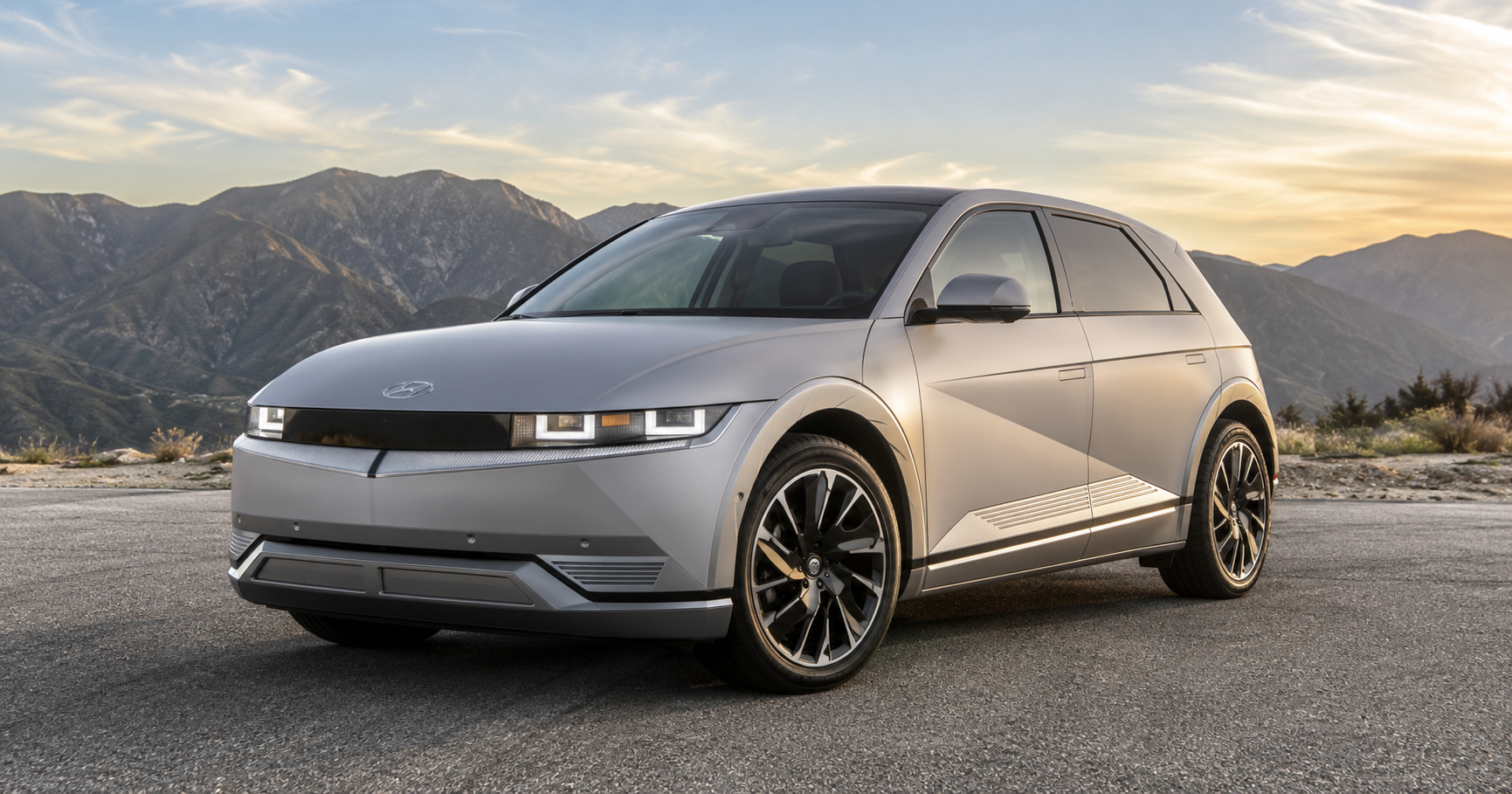
That shift in priorities helps explain why the Hyundai Ioniq 5 continues to stand out in an increasingly crowded EV market.
Since its introduction, the futuristic electric crossover has earned praise from industry experts, EV enthusiasts, and everyday drivers alike. Its combination of fast charging, spacious interior, distinctive styling, and competitive range has made it one of the most recommended electric vehicles in America.
For 2026, Hyundai isn’t reinventing the formula. Instead, the company has focused on refining an already successful product by addressing some of the biggest concerns buyers had. The result is a more compelling package that delivers lower prices, improved charging convenience, expanded access to Tesla’s charging network, and stronger overall value.
Perhaps most surprising is Hyundai’s aggressive pricing strategy. While many automakers continue to increase vehicle prices, Hyundai has reduced prices across much of the Ioniq 5 lineup by thousands of dollars. Combined with its advanced 800-volt charging architecture and competitive range figures, the 2026 model has become one of the strongest value propositions in the EV segment.
In this comprehensive guide, we’ll examine every important update to the Hyundai Ioniq 5 for 2026, including pricing, range, battery technology, charging capabilities, trim differences, and what these changes mean for prospective buyers.
What’s New for the Hyundai Ioniq 5 in 2026?
Unlike a full redesign, the 2026 Hyundai Ioniq 5 is best described as a strategic refinement. Hyundai already had a highly competitive EV, so the focus this year is on improving ownership value rather than changing the vehicle’s core identity.
The exterior design remains instantly recognizable, retaining the retro-futuristic styling that helped the Ioniq 5 stand apart from traditional SUVs and crossovers. Underneath the familiar shape, however, several meaningful updates improve convenience and affordability.
Major Updates for 2026
- Significant price reductions across most trim levels
- Native NACS charging port for Tesla Supercharger access
- Level 1 and Level 2 charging cable included as standard equipment
- Digital Key 2 Premium now standard across the lineup
- New Sage Silver Matte exterior paint option
- Expanded color availability for Ultimate Red and Cosmic Blue Pearl
- Battery supplier transition to SK Innovation
- Minor equipment changes on select trim levels
These updates may appear modest on paper, but they directly affect daily ownership. Faster access to public charging, lower purchase prices, and improved standard equipment are often more valuable than cosmetic changes.
The Biggest Story: Hyundai Cuts Prices Dramatically
The most important change for the Hyundai Ioniq 5 in 2026 isn’t found under the hood or inside the cabin.
It’s found on the window sticker.
Hyundai has dramatically lowered prices across much of the lineup, creating one of the most aggressive pricing moves in the current EV market.
Many trims receive reductions exceeding $9,000 compared to the previous model year. For shoppers who previously considered the Ioniq 5 slightly expensive relative to competitors, these changes significantly alter the value equation.
2026 Hyundai Ioniq 5 Pricing
| Trim | Drivetrain | 2026 MSRP | 2025 MSRP | Difference |
|---|---|---|---|---|
| SE Standard Range | RWD | $35,000 | $42,600 | -$7,600 |
| SE | RWD | $37,500 | $46,650 | -$9,150 |
| SEL | RWD | $39,800 | $49,600 | -$9,800 |
| SEL | AWD | $43,300 | $53,100 | -$9,800 |
| Limited | RWD | $45,075 | $54,300 | -$9,225 |
| Limited | AWD | $48,975 | $58,200 | -$9,225 |
| XRT | AWD | $55,475 | $55,400 | Minimal Change |
Across the lineup, the average reduction exceeds $9,000. In today’s automotive market, where price increases have become common, such a substantial decrease is highly unusual.
For many buyers, these reductions move the Hyundai Ioniq 5 from the “considering” category into the “serious contender” category.
Why Did Hyundai Lower Prices?
Several factors likely contributed to Hyundai’s decision.
- Growing EV competition from Tesla, Ford, Chevrolet, and Kia
- Expanded production capabilities in North America
- Improved battery sourcing efficiencies
- Pressure from Tesla’s ongoing price adjustments
- Desire to increase EV market share
Whatever the reason, consumers benefit from one of the strongest pricing adjustments seen in the EV industry in recent years.
The timing is particularly important because affordability remains one of the biggest barriers preventing mainstream EV adoption.
Battery and Range Specifications
Driving range continues to be one of the first specifications shoppers evaluate when comparing electric vehicles.
Fortunately, the Hyundai Ioniq 5 remains highly competitive in this area.
The 2026 lineup offers two battery configurations designed to accommodate different budgets and driving needs.
Standard Range Battery
- 63 kWh battery pack
- 245 miles EPA-estimated range
- 168 horsepower
- Rear-wheel drive
The Standard Range model targets value-focused buyers who primarily use their vehicle for commuting, errands, and local travel.
For many households, 245 miles of range is more than sufficient for daily transportation needs.
Long Range Battery
- 84 kWh battery pack
- Available with RWD or AWD
- Up to 320 horsepower
- Maximum EPA range of 318 miles
The larger battery serves buyers who regularly travel longer distances or simply want the flexibility of fewer charging stops.
This configuration is expected to remain the most popular choice among American consumers.
2026 Hyundai Ioniq 5 Range by Trim
| Trim | Battery | EPA Range | Horsepower |
|---|---|---|---|
| SE Standard Range | 63 kWh | 245 Miles | 168 hp |
| SE RWD | 84 kWh | 318 Miles | 225 hp |
| SEL RWD | 84 kWh | 318 Miles | 225 hp |
| Limited RWD | 84 kWh | 318 Miles | 225 hp |
| SE AWD | 84 kWh | 290 Miles | 320 hp |
| SEL AWD | 84 kWh | 290 Miles | 320 hp |
| Limited AWD | 84 kWh | 269 Miles | 320 hp |
| XRT AWD | 84 kWh | 259 Miles | 320 hp |
The standout configuration remains the rear-wheel-drive long-range model, which delivers up to 318 miles of EPA-estimated range.
That figure places the Hyundai Ioniq 5 among the most competitive electric crossovers in its price category.
Real-World Range Expectations
EPA estimates provide a useful benchmark, but actual results depend on numerous factors.
- Driving speed
- Outside temperature
- Elevation changes
- Passenger and cargo load
- Climate control usage
- Tire selection
- Road conditions
Drivers who spend most of their time in urban and suburban environments often achieve range figures close to official estimates.
Highway driving at sustained speeds above 70 mph generally reduces efficiency, which is true for virtually all electric vehicles.
Even so, the Hyundai Ioniq 5 has built a reputation for delivering competitive real-world efficiency compared to many direct rivals.
Battery Changes for 2026
One lesser-known update involves Hyundai’s battery sourcing strategy.
For 2026, battery production transitions to SK Innovation, replacing the previous supplier arrangement.
While buyers are unlikely to notice dramatic differences in daily operation, the new battery sourcing contributes to manufacturing efficiencies and helps Hyundai maintain eligibility for important EV incentives in the U.S. market.
The change also supports Hyundai’s broader North American production strategy as the company expands domestic manufacturing capabilities.
Charging Improvements: One of the Best EVs Just Got Better
Fast charging has long been one of the Hyundai Ioniq 5’s strongest competitive advantages.
The 2026 model strengthens that position even further.
For many EV buyers, charging convenience matters just as much as range. An electric vehicle with excellent charging infrastructure can often feel more practical than one with slightly higher range but fewer charging options.
That’s exactly where Hyundai’s latest updates make a significant difference.
Native Tesla Supercharger Access Changes Everything
One of the most important updates for the 2026 Hyundai Ioniq 5 is the addition of a native NACS (North American Charging Standard) charging port.
For years, Tesla’s Supercharger network has been considered the gold standard for EV charging in North America. The network is extensive, reliable, and strategically positioned along major highways and travel routes.
Previous Ioniq 5 owners often required adapters to access compatible charging stations. With the 2026 model, Hyundai eliminates that inconvenience by integrating a native NACS port directly into the vehicle.
The result is a significantly more convenient ownership experience, especially for drivers who frequently take long-distance road trips.
Benefits of Native NACS Compatibility
- Direct access to Tesla Supercharger locations
- No adapter required for compatible charging stations
- Simplified charging experience
- Greater route flexibility during long trips
- Improved charging infrastructure availability
- Reduced range anxiety for new EV buyers
For many consumers who were previously hesitant about switching from gasoline vehicles to EVs, expanded charging access removes one of the biggest barriers to adoption.
How Fast Does the Hyundai Ioniq 5 Charge?
Charging speed remains one of the strongest selling points of the Hyundai Ioniq 5.
While many electric vehicles focus on increasing battery size, Hyundai continues to emphasize charging efficiency through its advanced 800-volt electrical architecture.
This technology enables significantly faster charging than many competitors operating on traditional 400-volt systems.
Charging Performance Highlights
| Charging Metric | Performance |
|---|---|
| DC Fast Charging | Up to 350 kW |
| 10% to 80% Charge | Approximately 20 Minutes |
| Range Added in 5 Minutes | Approximately 68 Miles |
| Charging Standard | NACS |
| Included Charging Cable | Level 1 / Level 2 Combo Cable |
These figures continue to place the Hyundai Ioniq 5 among the fastest-charging non-luxury electric vehicles currently available.
In practical terms, drivers can spend less time waiting at charging stations and more time on the road.
Performance and Driving Experience
The Hyundai Ioniq 5 was never intended to be a dedicated performance vehicle like the specialized Ioniq 5 N.
Instead, Hyundai designed it to deliver a balance of comfort, responsiveness, efficiency, and everyday usability.
That strategy has proven remarkably successful.
Industry reviewers consistently praise the vehicle for providing smooth acceleration, predictable handling, and a driving experience that feels approachable for both EV newcomers and experienced enthusiasts.
Power Output by Configuration
| Configuration | Horsepower |
|---|---|
| SE Standard Range RWD | 168 hp |
| Long Range RWD | 225 hp |
| Long Range AWD | 320 hp |
The dual-motor all-wheel-drive models provide particularly impressive acceleration, delivering performance levels that would have been considered sports-car territory not long ago.
Acceleration
The SEL AWD model can accelerate from 0 to 60 mph in approximately 4.4 seconds.
That makes it significantly quicker than many traditional gasoline-powered SUVs while maintaining the quiet and refined driving characteristics expected from a modern EV.
Ride Quality
One of the Hyundai Ioniq 5’s biggest strengths is ride comfort.
The suspension tuning prioritizes daily usability rather than aggressive cornering performance. As a result, occupants enjoy a smooth ride over rough pavement, highway expansion joints, and urban road imperfections.
For families and commuters, this balanced setup is often more valuable than razor-sharp handling.
Interior Design: Still One of the Best in the Segment
While many competitors emphasize futuristic styling at the expense of practicality, Hyundai successfully combines modern design with genuine functionality.
The interior remains one of the Hyundai Ioniq 5’s greatest strengths.
Thanks to the dedicated E-GMP electric platform, engineers were able to maximize cabin space in ways that would be difficult with a traditional internal-combustion vehicle architecture.
Why the Cabin Feels So Spacious
- Flat floor design
- Long wheelbase
- Compact electric drivetrain packaging
- Minimal center tunnel intrusion
- Open and airy dashboard layout
The result is a cabin that often feels larger than many midsize SUVs despite the vehicle’s relatively compact exterior footprint.
Rear-seat passengers benefit from exceptional legroom, making the Ioniq 5 an excellent choice for families and long-distance travel.
Cargo Capacity and Practicality
Electric vehicles sometimes sacrifice practicality in pursuit of design or efficiency goals.
Fortunately, that is not the case here.
The Hyundai Ioniq 5 remains one of the most practical EVs in its class.
Cargo Space Specifications
| Storage Area | Capacity |
|---|---|
| Behind Rear Seats | 30 Cubic Feet |
| Seats Folded | 59 Cubic Feet |
This amount of storage makes the vehicle well suited for:
- Family road trips
- Airport runs
- Weekend getaways
- Large grocery hauls
- Outdoor recreation equipment
- Everyday commuting needs
The cargo area is also designed with a low loading floor, making it easier to move heavier items into the vehicle.
Technology Features
Technology has become a critical battleground in the EV market.
Modern buyers expect their vehicles to function as connected digital devices as much as transportation tools.
The Hyundai Ioniq 5 delivers a comprehensive technology package that focuses on usability rather than complexity.
Key Technology Features
- Digital Key 2 Premium standard across the lineup
- Large digital display screens
- Wireless smartphone connectivity
- Over-the-air software support
- Voice command functionality
- Navigation integration
- Connected vehicle services
- Vehicle-to-load (V2L) capability
Digital Key 2 Premium is one of the most notable upgrades for 2026.
The feature allows compatible smartphones to function as vehicle keys, providing additional convenience and reducing dependence on physical key fobs.
Safety and Driver Assistance Technologies
Safety continues to be a major selling point for the Hyundai Ioniq 5.
The vehicle has earned strong safety recognition and includes a wide range of advanced driver-assistance technologies designed to reduce risk and improve driver confidence.
Key Safety Features
- Forward Collision-Avoidance Assist
- Blind-Spot Monitoring
- Lane Keeping Assist
- Lane Following Assist
- Adaptive Cruise Control
- Driver Attention Monitoring
- Rear Cross-Traffic Alert
- Automatic Emergency Braking
Hyundai also continues to refine occupant protection systems and structural safety measures, helping the vehicle maintain its strong reputation among safety-conscious buyers.
Trim-Level Safety Updates for 2026
- Rear Occupant Alert simplified on SE and SEL trims
- Radar-based Rear Occupant Alert remains available on Limited models
- Additional convenience and comfort features added to upper trims
For families, these safety technologies contribute significantly to the Hyundai Ioniq 5’s appeal as a daily driver and long-distance travel vehicle.
Trim Changes and Equipment Updates for 2026
Although Hyundai avoided a major redesign, several trim-specific adjustments were introduced for the 2026 model year.
SE Trim
- Value-focused entry point
- Available in Standard Range and Long Range configurations
- Most affordable way to enter the Ioniq 5 lineup
SEL Trim
- Updated MFR-type LED headlights
- Excellent balance between price and equipment
- Frequently recommended by EV experts as the best value trim
Limited Trim
- Heated rear outboard seats added
- Additional premium comfort features
- More advanced technology package
- Luxury-focused ownership experience
XRT Trim
- Unique rugged styling
- Standard all-wheel drive
- Off-road-inspired appearance package
- Highest towing capability in the lineup
The introduction of these refinements helps Hyundai maintain a clear distinction between trim levels while preserving the overall strengths that made the Hyundai Ioniq 5 successful in the first place.
Hyundai Ioniq 5 vs Tesla Model Y vs Kia EV6
The Hyundai Ioniq 5 competes in one of the most competitive segments in the automotive industry. Buyers shopping for an electric crossover often compare it with the Tesla Model Y and Kia EV6.
While all three vehicles offer compelling advantages, each targets slightly different priorities.
EV Comparison Table
| Category | Hyundai Ioniq 5 | Tesla Model Y | Kia EV6 |
|---|---|---|---|
| Starting Price | $35,000 | Higher Depending on Variant | Generally Higher Than Base Ioniq 5 |
| Maximum Range | 318 Miles | Higher Depending on Trim | Approximately 310 Miles |
| Fast Charging | 10%–80% in ~20 Minutes | Competitive | Very Competitive |
| Tesla Supercharger Access | Native NACS Port | Native Access | Adapter or Market Dependent |
| Interior Space | Excellent | Excellent | Very Good |
| Cargo Capacity | 59 Cubic Feet Max | Class Leading | Strong |
| Ride Comfort | Excellent | Firm | Balanced |
| Technology | Strong | Industry Leading | Strong |
| Value for Money | Outstanding | Very Good | Very Good |
For buyers prioritizing affordability, comfort, charging speed, and practicality, the Hyundai Ioniq 5 is arguably one of the strongest overall packages currently available.
What Experts Like Most About the Hyundai Ioniq 5
Automotive journalists consistently rank the Hyundai Ioniq 5 among the best electric vehicles currently available. Several factors explain why.
Pros
- Massive price reductions for 2026
- Up to 318 miles of EPA-estimated range
- One of the fastest charging EVs in its class
- Native Tesla Supercharger compatibility
- Spacious and practical interior
- Excellent rear-seat room
- Strong safety credentials
- Competitive warranty coverage
- Distinctive styling that stands out from competitors
- Excellent value proposition
Perhaps the biggest strength is balance. Few EVs combine affordability, practicality, charging performance, comfort, and range as effectively as the Hyundai Ioniq 5.
Potential Drawbacks Buyers Should Consider
No vehicle is perfect, and prospective buyers should understand the Hyundai Ioniq 5’s limitations before making a purchasing decision.
Cons
- AWD models sacrifice range compared with RWD versions
- XRT trim offers the shortest range in the lineup
- Front trunk storage remains limited
- Infotainment software can feel less advanced than Tesla’s ecosystem
- No hands-free highway driving system comparable to some competitors
- Highest trims can become relatively expensive
Most of these drawbacks are relatively minor when viewed against the vehicle’s overall strengths, but they may influence purchasing decisions depending on individual priorities.
Which Hyundai Ioniq 5 Trim Is the Best Buy?
Choosing the right trim depends largely on budget and intended use.
Best Value: SEL RWD
For most buyers, the SEL RWD represents the sweet spot of the lineup.
- 318 miles of range
- Competitive pricing
- Strong equipment levels
- Excellent efficiency
- Practical feature set
Many EV experts consider this version the ideal balance between affordability and features.
Best Range: SE RWD Long Range
Buyers who prioritize maximum driving distance should consider the long-range rear-wheel-drive variants.
With up to 318 miles of EPA-estimated range, they provide the greatest flexibility for road trips and long commutes.
Best Luxury Experience: Limited AWD
Drivers seeking premium amenities, additional comfort features, and all-weather capability may find the Limited AWD worth the extra investment.
Best for Adventure-Oriented Buyers: XRT AWD
The XRT caters to customers who appreciate rugged styling, all-wheel drive, and increased towing capability.
Federal Tax Credit Eligibility
One of the most important financial considerations for EV shoppers is incentive eligibility.
The Hyundai Ioniq 5 benefits from North American production and battery sourcing strategies that help support eligibility for applicable federal EV incentives.
Because tax credit regulations can change, buyers should always verify the latest eligibility requirements with official government resources and local dealerships before making a purchase.
Who Should Buy the Hyundai Ioniq 5?
The Hyundai Ioniq 5 is especially appealing to several types of buyers.
Ideal Buyers
- First-time EV owners
- Families needing a practical electric crossover
- Commuters seeking low operating costs
- Road-trip enthusiasts who value fast charging
- Buyers looking for strong value in the EV market
- Drivers transitioning from traditional SUVs
Its combination of ease of use, charging convenience, comfortable ride quality, and spacious cabin makes it one of the easiest EVs to recommend to mainstream consumers.
Should You Buy the Hyundai Ioniq 5 in 2026?
For most shoppers, the answer is yes.
The Hyundai Ioniq 5 was already one of the most respected electric vehicles on the market. For 2026, Hyundai has strengthened its position through substantial price reductions, Tesla Supercharger compatibility, improved charging convenience, and expanded standard equipment.
Importantly, Hyundai accomplished this without sacrificing the qualities that originally made the vehicle successful. It remains spacious, comfortable, efficient, practical, and enjoyable to drive.
The result is an EV that offers one of the strongest combinations of value, technology, range, and usability available today.
For buyers entering the EV market in 2026, the Hyundai Ioniq 5 deserves a place near the top of any shortlist.
Frequently Asked Questions
Does the 2026 Hyundai Ioniq 5 work with Tesla Superchargers?
Yes. The 2026 model features a native NACS charging port, allowing direct access to compatible Tesla Supercharger locations without requiring an adapter.
What is the maximum range of the Hyundai Ioniq 5?
The longest-range versions offer an EPA-estimated driving range of up to 318 miles.
How fast can the Hyundai Ioniq 5 charge?
Using a compatible DC fast charger, the battery can charge from 10% to 80% in approximately 20 minutes.
Which trim offers the best value?
Many industry experts consider the SEL RWD the best balance between price, range, and equipment.
How much cargo space does the Hyundai Ioniq 5 provide?
The vehicle offers approximately 30 cubic feet behind the rear seats and up to 59 cubic feet with the rear seats folded.
Is the Hyundai Ioniq 5 a good family vehicle?
Yes. Its spacious cabin, strong safety features, generous rear-seat room, and practical cargo area make it an excellent family EV.
What is the starting price of the 2026 Hyundai Ioniq 5?
The lineup starts at approximately $35,000 for the SE Standard Range model.
What is new for 2026?
Key updates include lower prices, a native NACS charging port, a new charging cable, Digital Key 2 Premium standardization, and several trim-level equipment revisions.