
Mercedes-Benz has warned that two of its German factories could close if market conditions do not improve, putting one assembly plant and one powertrain facility at risk as the automaker faces mounting pressure on costs and productivity.
Mercedes Says Two German Plants Could Close
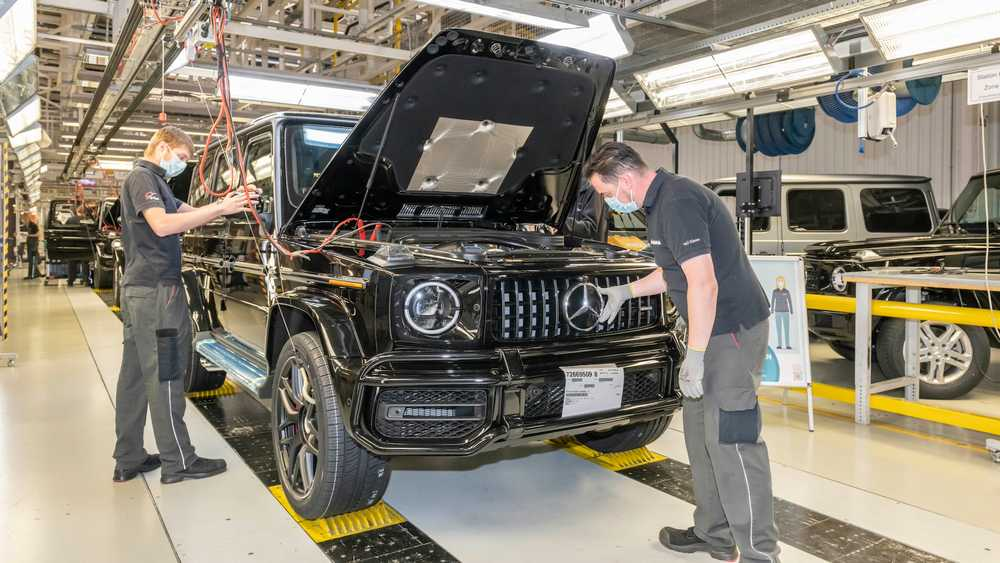
On September 22, Mercedes production chief Michael Schiebe met with workers at the company’s manufacturing facility in Sindelfingen, Germany. Employees were told that Mercedes wants to keep all of its German plants operating.
However, Schiebe said the company needs “framework conditions that boost productivity” to make that possible. The statement points to a need for lower costs, although Mercedes did not explain how it intends to achieve those reductions.
Schiebe also outlined the consequences if the necessary changes cannot be made.
“If we are unable to do this, we will have to close one German assembly plant and one German powertrain plant,” he said.
Schiebe did not identify which facilities could be affected.
Automakers Face Growing Market Pressure
Mercedes-Benz is facing the same broader pressures affecting automakers around the world. U.S. import tariffs are putting additional pressure on manufacturers that have relied heavily on American buyers, while Chinese automakers are expanding their presence in markets such as Europe with lower-priced vehicles.
These conditions are also creating significant challenges for Volkswagen and its subsidiaries, although Mercedes-Benz is now confronting its own potential factory closures in Germany.
Uncertainty for Mercedes Workers
The possibility of closing two German facilities has raised concerns among Mercedes employees, with uncertainty surrounding which plants could ultimately be affected.
For now, Mercedes has not provided a clear roadmap outlining the steps it will take to ease the pressures facing the company and prevent the potential closures and mass layoffs.
Until such a plan is established, the future of the two facilities remains uncertain as Mercedes works to improve the conditions needed to keep its German plants operating.