
Porsche is preparing to raise prices on its top-end models as the automaker works to position the brand at a higher level and attract higher margins, even as overall sales continue to decline.
Porsche Targets Higher-End Buyers
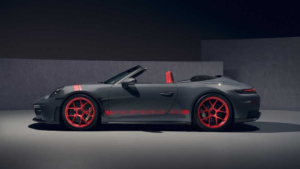
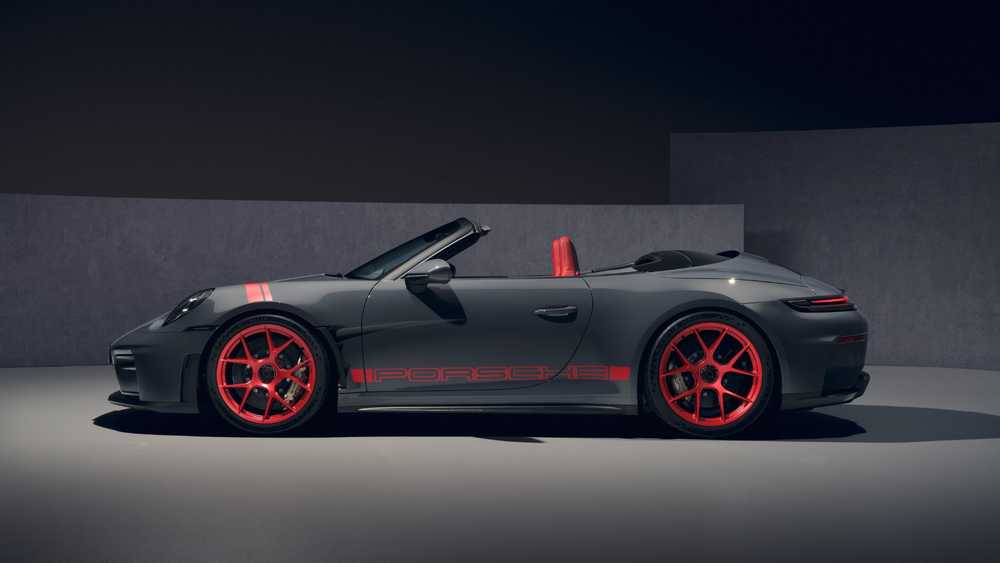
The Porsche 911 currently starts at $135,500 for the base Carrera, an increase of $45,000 from a decade ago. For higher-performance models, the gap has become even more pronounced.
The 911 GT3 carries an official MSRP of $235,800, although strong demand can push transaction prices closer to $300,000. At those levels, Porsche is moving closer to the territory occupied by Ferrari.
Porsche now plans to push prices even higher. In its Sportwagenschmiede ’35 mid-term strategy announced this week, the automaker said it intends to increase the average selling price of its top-end models by about 20%.
The strategy is part of Porsche’s effort to position the brand at a higher level and generate higher margins.
More Limited and High-End Porsche Models Planned
Porsche expects to offer fewer 911 variants positioned lower in the range while increasing the number of limited-series and high-end special models.
Among the examples is the 911 GT3 S/C. Porsche has also increased its stake in Manthey Racing to 67% ownership and plans to use the connection to develop more hardcore, racing-derived models with higher profit margins.
The strategy is part of Porsche’s vision of establishing a “Home of Sports Cars,” divided among three areas: Performance, covering GT and Manthey cars; Exclusiveness, covering Sonderwunsch and Exclusive Manufacture; and Heritage.
Porsche Sets a 15% Operating Margin Target
Porsche said it wants to achieve a 15% operating margin over the longer term. That target would remain well below Ferrari’s nearly 30% margin.
Ferrari sells about 15,000 cars a year, limiting its ability to grow profits through higher sales volumes. Porsche, meanwhile, is pursuing higher average selling prices and greater profitability from its top-end models.
Porsche Sales Have Fallen Since 2023
Porsche’s overall sales have declined since reaching a peak of 320,221 vehicles in 2023. Deliveries fell 3% in 2024 and another 10% in 2025.
The decline continued in the first half of 2026, when Porsche deliveries fell another 16%. The company is now on track for roughly 245,000 sales this year.
The downturn has been concentrated in Porsche’s less profitable volume models, particularly in China. Sales there plunged 32% during the first half of 2026, while dealers have resorted to heavy discounting.
911 Demand Remains Strong
Despite the broader sales decline, Porsche continues to have significant pricing power with its core sports cars. Global 911 sales increased 19% in the first half of the year, even after recent price increases.
Porsche now plans to capitalize on that demand by offering buyers of its top-end cars more appealing options and using those offerings to push average selling prices higher.
New Supercar and Larger SUV Planned
Under the Sportwagenschmiede 35 strategy, Porsche plans to expand its personalization options while adding more top-end models.
The planned lineup includes a supercar positioned above the 911 and an SUV larger than the Cayenne. Porsche also said it would introduce at least one “brand-defining new product” every year.
In the mid-term, Porsche expects its top-end models to represent as much as 45% of total sales. The automaker says that shift would lower its breakeven point to around 200,000 vehicles, significantly below current levels.
With Porsche pursuing higher prices, more exclusive models and greater personalization, the automaker is seeking to increase profitability from its top-end cars even as its overall sales remain under pressure.