A single rock chip can ruin the look of a freshly detailed car, and repairing damaged paint can cost thousands of dollars. Paint protection film (PPF) offers a way to help prevent that damage, with options ranging from covering vulnerable panels to protecting an entire vehicle. But with full-vehicle installations starting around $7,000, understanding what PPF protects, how much it costs and whether it suits your car is essential before making the investment.
Once associated primarily with clear film covering the front ends of expensive cars, PPF is now available in different finishes and colors. Some products can give glossy paint a matte appearance, while others can be installed over a color-change wrap to add another layer of protection.
To better understand the technology, installation process and costs, I spoke with Francisco Franco of South Bay Customs and Exotics, a shop that installs XPEL film. Franco has worked in the industry for a few years, and he says his installers bring more than a decade of experience.
What Is Paint Protection Film, and What Does It Protect?
Paint protection film is a protective layer applied primarily to vehicles to help preserve their paint. One of its main purposes is to help prevent rock chips caused by driving on public roads.
Although PPF was once commonly associated with the front end of a vehicle, covering more of the body has become increasingly common, particularly among owners of high-end sports cars. As Franco explained, owners of more expensive vehicles may be more inclined to invest in protection against road debris.
Some paint protection films also provide ultraviolet (UV) protection, which can help prevent paint from fading. However, the level of protection depends on the specific product, making it important to understand what the manufacturer promises regarding UV exposure, discoloration and warranty coverage.
Can You See Paint Protection Film After Installation?
When installed properly, clear PPF can be difficult to notice. According to Franco, a well-executed installation can look seamless and factory-original, making the protective layer nearly invisible.
The final appearance depends heavily on the installer. Even when the film itself is designed to be unobtrusive, the quality of the installation plays a significant role in how well it blends into the vehicle’s finish.
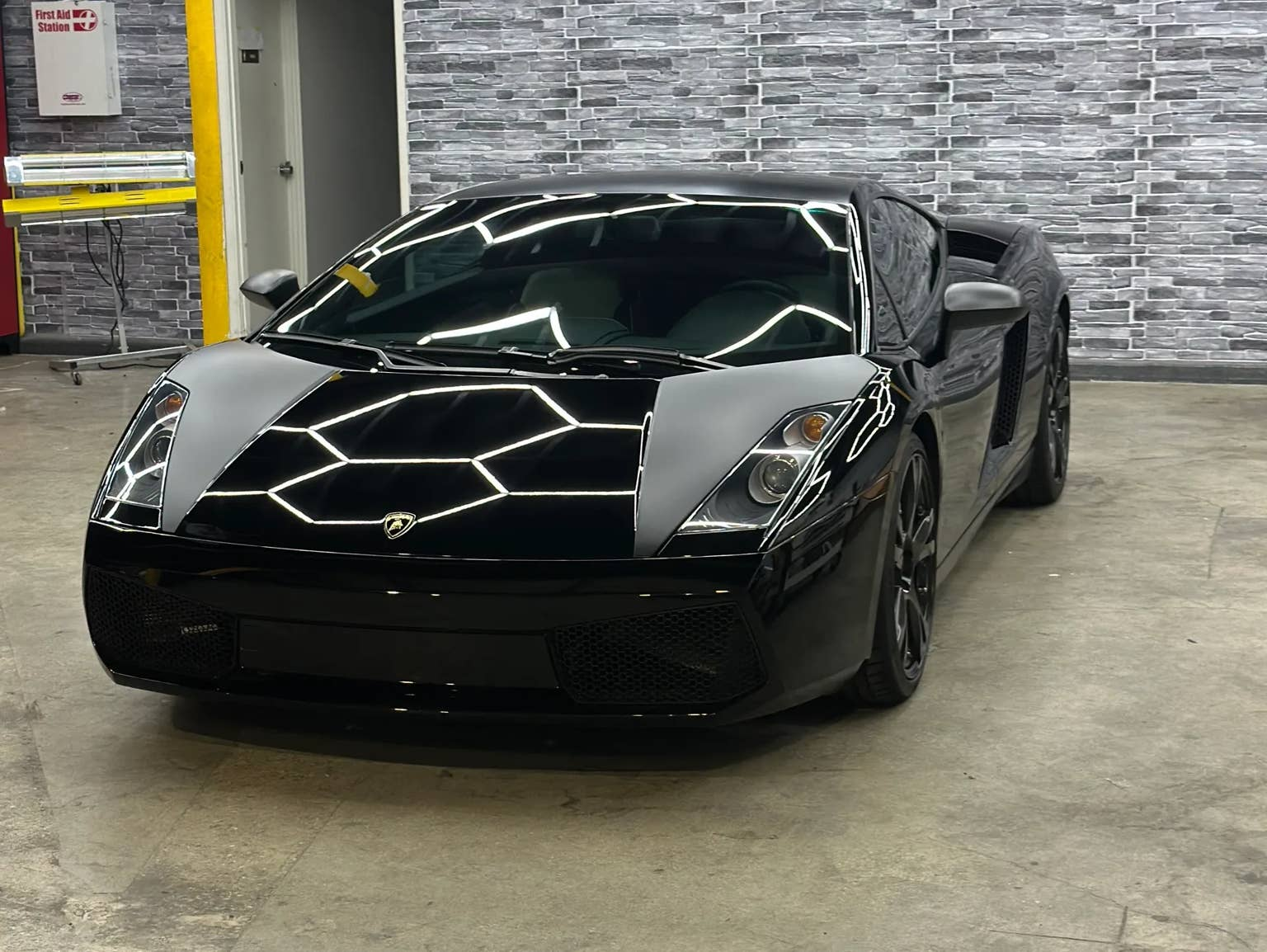
PPF can also change a car’s appearance rather than simply preserve its original look. Matte PPF, sometimes called stealth PPF, can transform glossy paint into a matte finish while providing paint protection.
For owners who want a different look without repainting their vehicles, these finishes offer another option. The choice comes down to the desired appearance and the type of film selected.
How Long Does PPF Installation Take?
A full-vehicle paint protection film installation generally takes about a week, according to Franco. The time frame depends on the vehicle’s size and includes covering the roof, bumpers and body panels.
Because installation involves much more than applying film to a single section, owners should clarify exactly which parts of the vehicle are included before committing to a job. Coverage details can affect both the work involved and the final price.
How Much Does Paint Protection Film Cost?
At South Bay Customs and Exotics, full-vehicle PPF installations generally start at around $7,000 and increase from there, Franco said. The final cost depends on the vehicle.
That starting price applies to the full-vehicle installation described by Franco, not every PPF job. The cost of a particular installation depends on the coverage and work involved, so quotes should clearly identify the film being used, the areas being covered and any preparation included.
For owners of expensive sports cars and exotic vehicles, protecting the paint may justify the investment. For drivers of everyday cars, the decision requires weighing the cost against how important preserving the vehicle’s finish is to them.
Can You Apply PPF Over a Car Wrap?
Paint protection film can be installed over an existing color-change wrap, Franco confirmed. This allows owners to retain a customized appearance while adding a protective layer.
Another option is colored PPF, which combines a change in appearance with paint protection in a single product. Rather than applying a separate color-change wrap and protective film, owners can choose a product designed to provide both.
According to Franco, using colored PPF can also cost less than repainting the entire vehicle. For drivers considering a new color, it offers another way to change the car’s appearance while helping protect its finish.
Is Paint Protection Film Worth the Money?
Whether PPF is worth the cost depends on the vehicle and the owner’s priorities. Someone who wants to preserve the finish of an exotic car, a cherished weekend vehicle or a car they plan to keep looking good for years may find the investment worthwhile. However, not every vehicle needs full-body coverage.
A practical first step is to determine which areas need protection and request clearly defined coverage options from an installer. Comparing quotes requires looking beyond the total price to understand the amount of coverage, the film being used and the preparation involved.
It is also important to examine the installer’s completed work, review the warranty and understand the care instructions before handing over the vehicle. As Franco emphasized, the installer matters, making workmanship an important consideration alongside the film itself.
Paint protection film can help reduce the frustration of rock chips and other paint damage, while some products offer UV protection or a different finish. For the right owner, it can be a worthwhile investment, provided the coverage, product and installation quality justify the cost. PPF offers a layer of protection, but it is not an invisible force field.