Ford has filed a patent application for a system that could help drivers recover information from road signs and billboards they have already passed. The technology would use existing exterior cameras to capture images of roadside advertisements and signs, then let vehicle occupants retrieve them through the center touchscreen, potentially making it easier to find restaurants, gas stations, hotels and rest areas while traveling.
How Ford’s Road Sign Capture System Would Work
Published on October 15, the patent describes a system that uses one or more exterior vehicle cameras to photograph billboards and roadside signs. The images would be saved so occupants could access them through the vehicle’s center display.
The system would include an “information board recall mode.” Occupants could activate it using a touchscreen button, a voice request or a gesture to view images of signs the vehicle had recently passed.
The patent identifies several potential uses, including retrieving signs advertising restaurants, hotels, gas stations, rest areas and coffee shops. If a sign displays the distance to one of these destinations, drivers could use that information to prepare more safely to pull over.
Each captured image could also be tagged with the time it was recorded and, where possible, the vehicle’s GPS coordinates. This information would help identify when and where the sign appeared.
Stored Images Could Work With In-Car AI Assistants
In Ford’s example, the system stores images from the previous 15 minutes, although that time limit could be changed. The patent leaves room for the technology to work alongside the AI assistants increasingly appearing in modern vehicles.
For example, an occupant could use an in-car chat window to ask where the next rest area is. The system could then retrieve the most recent captured image of a sign related to rest areas.
The filing specifies that only passengers would be able to recall billboard images on the screen, a restriction intended to limit driver distraction. The feature could also make use of passenger-side displays that are appearing in new vehicles.
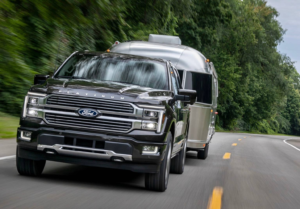
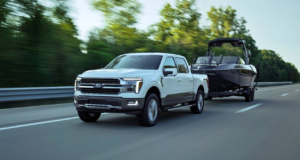
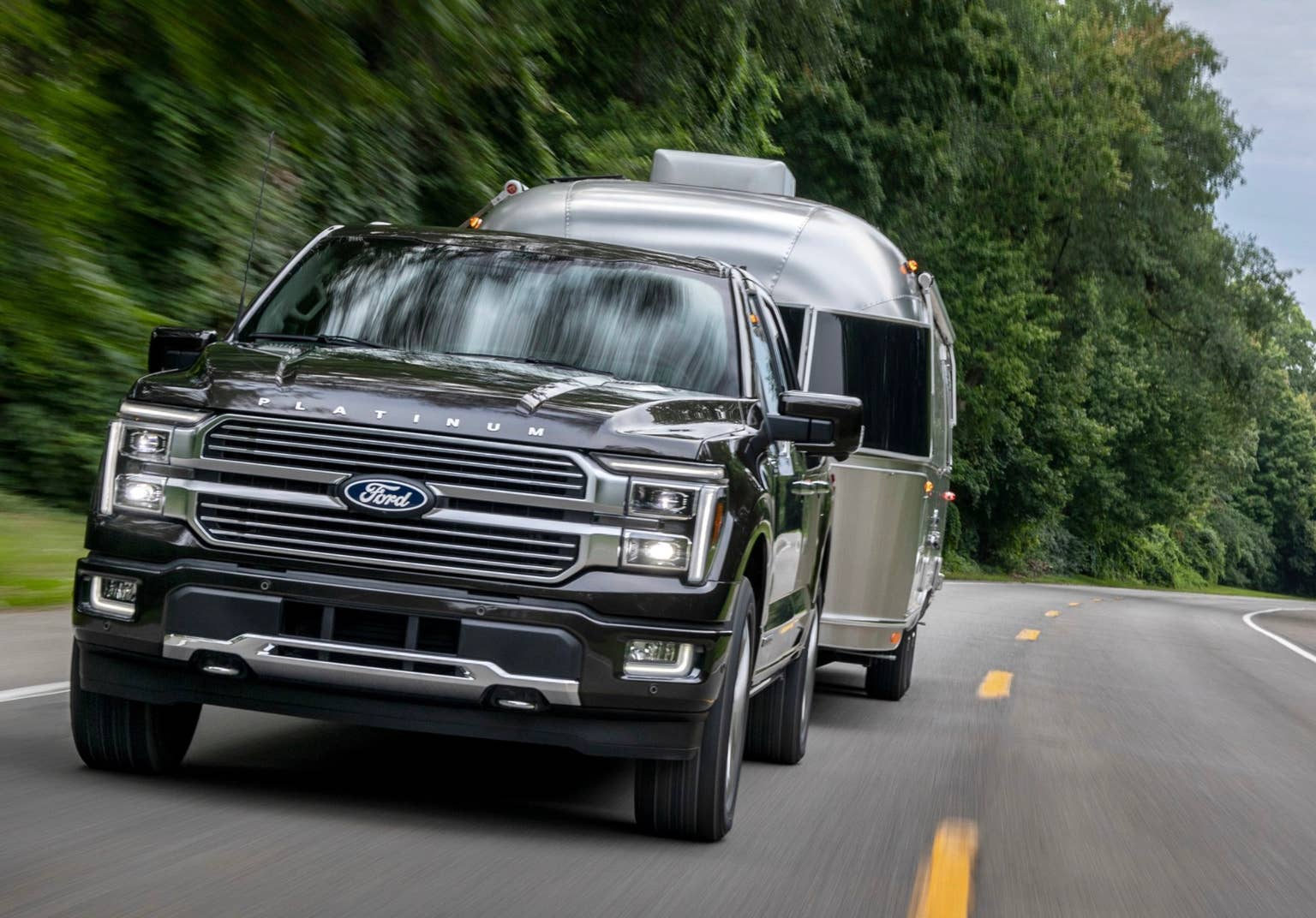
Ford has not identified a specific vehicle for the technology. If developed for production, it could potentially be offered across models ranging from the Mustang to the F-150 pickup.
How the Patent Differs From Ford’s Existing Technology
Ford already offers Speed Sign Recognition, a system that reads speed limit signs and communicates with the vehicle’s Intelligent Adaptive Cruise Control system. The technology can automatically adjust the vehicle’s speed to match the displayed limit and resume a previously set speed after detecting a new sign.
Speed-related alerts appear in the instrument cluster. However, the system is designed to process speed limits rather than preserve images of the many other signs drivers encounter on the road.
The new patent addresses that gap by using existing cameras and interior displays to make a broader range of roadside information available after a vehicle passes it. Instead of losing access to a sign’s details after a brief moment of distraction, occupants could retrieve the image later.
Will Ford Bring the Technology to Production?
A patent application does not guarantee that a feature will reach production. Moving from an application to a showroom-ready system can take time, and projects may be halted by regulatory requirements or costs.
Automakers also file patents for ideas that may ultimately prove impractical. Ford, for example, has previously patented an infotainment system designed to read a driver’s lips when background noise makes voice commands difficult to use.
The sign-capturing concept would build on cameras and display screens already found in many vehicles. However, Ford would still need to determine how many drivers would find the feature useful and, if it moves forward, bring data and software partners on board while addressing potential privacy concerns.
For now, Ford’s patent outlines a way to preserve roadside information that drivers might otherwise miss. Whether the system becomes a production feature remains undecided.