Mercedes-Benz believes plug-in hybrids already offer enough electric driving range for most customers, making extended-range electric vehicles (EREVs) a lower priority for the automaker. While EREVs are gaining traction in China and other markets, the company says its existing plug-in hybrid technology can meet everyday driving needs without requiring a separate range-extender system.
As drivers look for ways to reduce fuel consumption without fully committing to electric vehicles, plug-in hybrids and EREVs have emerged as two alternatives. However, Mercedes-Benz argues that adding substantially more electric range to a plug-in hybrid may not provide enough additional value to justify developing another powertrain option.
Why Plug-In Hybrids Appeal to Drivers
Hybrid vehicles have become increasingly appealing as drivers seek better fuel economy and lower long-term operating costs compared with conventional gasoline-powered vehicles. Some automakers have also dropped combustion-only versions of popular models, with Toyota serving as a prominent example.
Plug-in hybrids offer another step toward electrification for drivers concerned about range limitations. They can travel on battery power alone, making them suitable for city driving, while a combustion engine provides additional power and allows the vehicle to continue operating as a conventional hybrid when the battery charge runs low.
Electric driving range has also improved significantly. Earlier plug-in hybrids typically offered about 25 to 30 miles of electric-only driving, while newer models can easily double that distance, reducing the need to rely on the engine for everyday trips.
How Extended-Range Electric Vehicles Differ
Extended-range electric vehicles, or EREVs, offer another approach to bridging the gap between conventional vehicles and fully electric cars. They use an electric drivetrain and an onboard engine that acts as a generator to recharge the battery. Depending on the system, an EREV may or may not support plug-in charging.
The key difference is how the vehicles deliver power to the wheels. In a plug-in hybrid, the combustion engine can directly drive the vehicle. In an EREV, the wheels are driven exclusively by electric motors, while the engine generates electricity to replenish the battery.
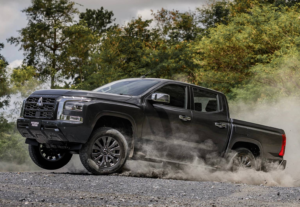
Nissan’s e-Power system is one example of this approach, and several Chinese automakers have adopted similar technology.
Mercedes-Benz Says 60 Miles of Electric Range Is Enough
Mercedes-Benz is not convinced that EREVs are necessary for its current customer base. Christoph Starzynski, the company’s vice president of product strategy and product steering, said the electric range offered by its plug-in hybrids is sufficient for everyday driving.
“[We] have a [plug-in] hybrid with 100-plus kilometers [of range]. For me, for the day-to-day drive, that is more than enough. […] What else do you need? I know that there are areas in the world where there is a higher demand [for EREVs], but not for us, from our customer perspective. We don’t see that,” Starzynski said.
His position is not a rejection of EREV technology. Instead, he argues that more than 60 miles of electric range in a plug-in hybrid is sufficient for typical drivers, reducing the need for a separate system designed to extend electric driving distances.
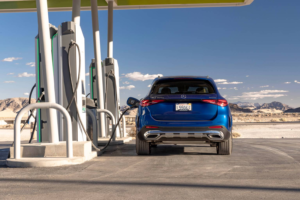
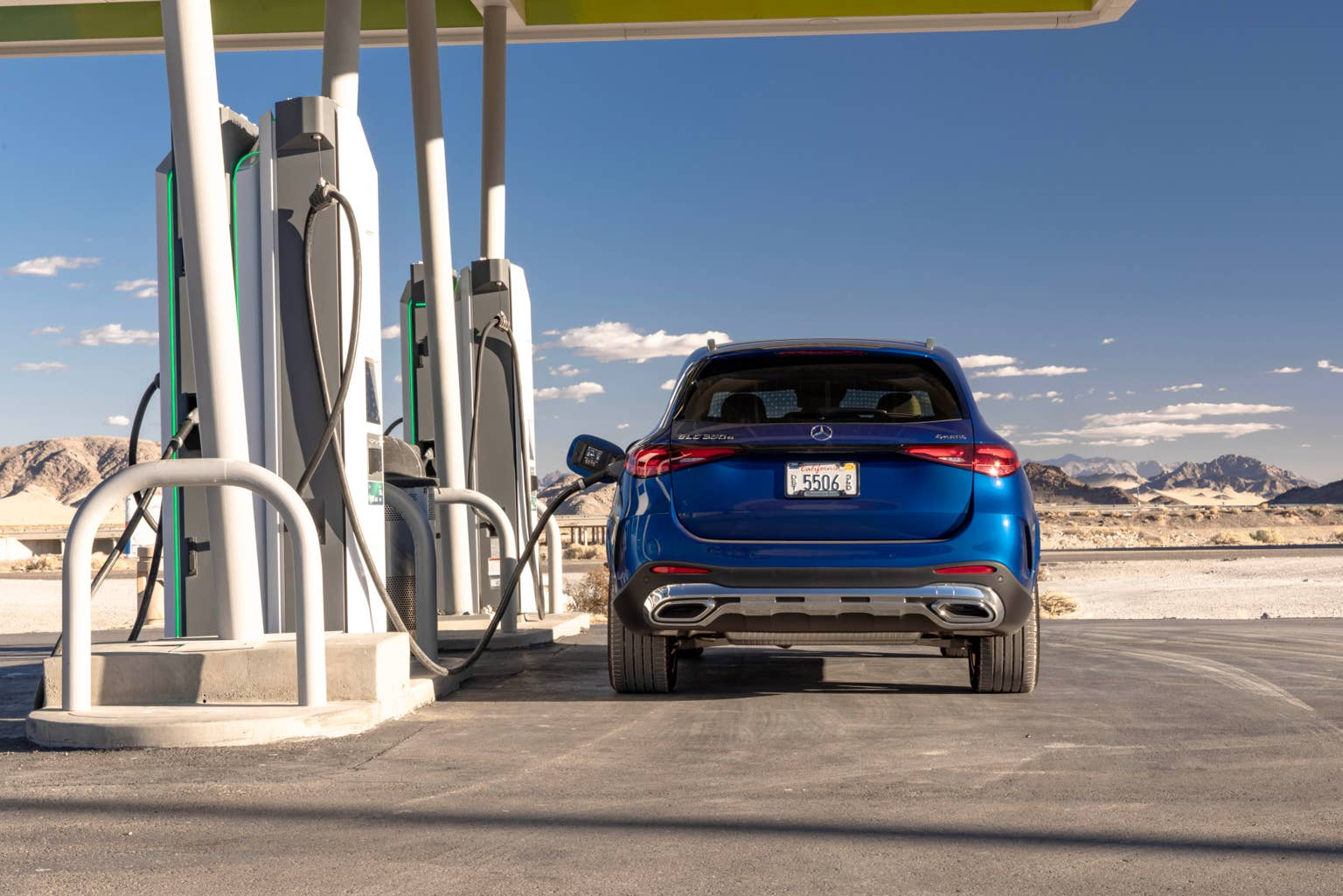
The Mercedes-Benz GLC 350e illustrates the range available in the company’s current lineup. The model has an EPA-rated electric-only range of 54 miles and a WLTP rating of up to 77 miles.
Why Mercedes-Benz Questions the Need for More Range
Starzynski also questioned whether customers shopping for plug-in hybrids or EREVs would be willing to choose a version offering substantially more electric range.
“Would you really switch to a variant where 60 miles becomes 200 miles? If I look at the BEV vehicles, I think a decent range is 280 to 400 miles,” he said.
His comments suggest that customers who need significantly more electric driving range may be better served by a battery-electric vehicle rather than a plug-in hybrid with a much larger electric range.
EREV Demand Depends on the Market
Although Mercedes-Benz does not see sufficient customer demand to prioritize EREVs, the technology is finding success in China and other markets. In countries where charging infrastructure is less developed, extended-range electric vehicles can offer a practical alternative to both conventional combustion vehicles and plug-in hybrids.
EREVs can also reduce the pressure to recharge regularly. Unlike plug-in hybrids, which generally use their battery charge before switching to hybrid operation, EREVs use an onboard generator to replenish the battery before it is depleted.
Both technologies have advantages and disadvantages, and their appeal depends partly on local driving conditions and charging availability. For Mercedes-Benz, the combination of its existing plug-in hybrid range and limited customer demand means developing range-extender systems is not a high priority.
For now, Mercedes-Benz maintains that its plug-in hybrids provide enough electric range for everyday use, while recognizing that EREVs may be more suitable for customers in markets with different needs.